
Highlights
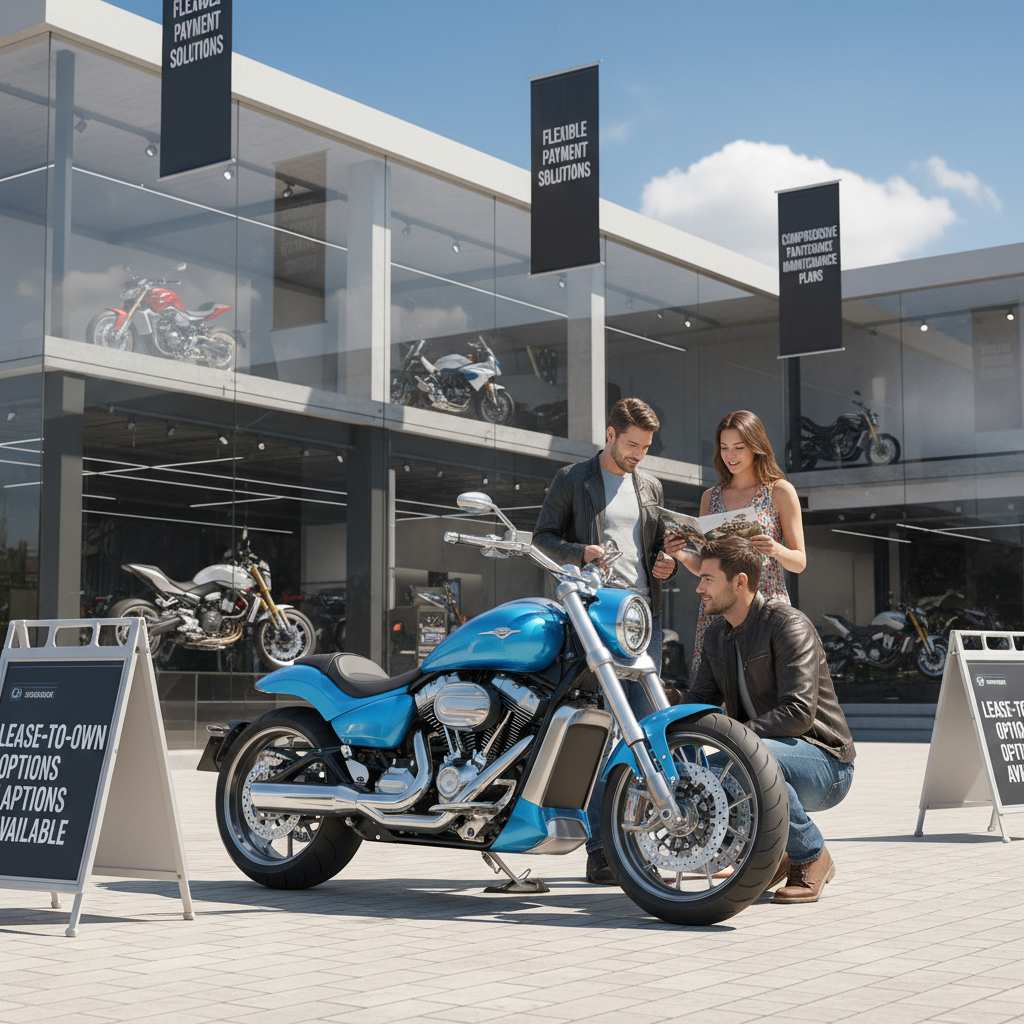
- Lease-to-own agreements make higher-end motorcycles financially accessible without upfront payments.
- Understanding the terms and potential risks is crucial before entering a lease-to-own contract.
Summary and Overview
Lease-to-own motorcycle agreements allow riders to lease a motorcycle for 24 to 72 months with an option to purchase at the end by paying a predetermined fee. This hybrid financing spreads payments over time, making higher-end motorcycles more accessible. Agreements typically include mileage limits, maintenance, insurance requirements, and negotiated down payments and monthly installments. Benefits include reduced upfront costs, trade-in options, and maintenance support, while risks involve total payments exceeding market value and penalties for contract breaches. Consumer protections are limited compared to automobile leases, so careful contract review and legal consultation are advised.
Lease-to-Own Process and Terms
Prospective lessees select a motorcycle and negotiate lease terms such as price, down payment, lease length, and monthly payments. Documentation like proof of income and insurance is required. Monthly payments depend on factors including credit and state taxes, with down payments of 10–20% recommended. Lessees must maintain insurance, adhere to mileage limits, and fulfill maintenance obligations. Non-compliance can lead to penalties, including legal action. The lease-to-own model reduces initial financial burden and often allows trading in motorcycles during the lease term, with the option to buy at a set residual price.
Eligibility and Credit Considerations
Lenders assess credit history, income, and other financial factors to approve lease applications. While credit requirements can be flexible, higher interest rates apply for weaker credit. Down payments help lower costs. Applicants should seek preapproval and compare offers from various lenders. State laws ensure fair credit opportunities and proper disclosure for declined applications.
Consumer Protections and Legal Remedies
Consumer protections for lease-to-own motorcycles vary by jurisdiction. For example, some Lemon Laws exclude motorcycles, limiting warranty recourse. Broader consumer protection laws may apply to lease violations. Legal remedies for breaches include lawsuits, injunctive relief, and rent abatements. Clear contracts and understanding of rights help prevent disputes. Some states offer short cancellation periods post-signing. Insurance coverage requirements protect both parties throughout the lease.
Advantages and Disadvantages
Lease-to-own offers affordability by spreading payments and often includes maintenance and warranty options. It allows riders to trade in motorcycles for newer models and can build credit through timely payments. However, total costs may exceed retail value, and mileage limits, maintenance, and insurance obligations can incur penalties. Early termination can be costly, and terms vary by dealer and financing company. Understanding all costs and conditions is essential to avoid financial pitfalls.
Comparison with Other Financing Options
Motorcycle loans from banks or credit unions are common and offer fixed terms with varying rates based on credit. Loans can build credit if paid on time. Leasing provides lower monthly payments and flexibility but retains lender ownership until purchase. Special lease deals exist for strong credit applicants. Buyers should compare financing options carefully to choose the best fit.
Motorcycle Types and Leasing Companies
Lease-to-own programs cover various motorcycle styles, including sport bikes, cruisers, and touring models. Companies like Speedleasing focus on Harley-Davidson and Indian motorcycles, while MotoLease offers a wider range of new and used bikes. This variety allows riders to find suitable models for their needs.
Consumer Tips
Consumers should thoroughly review lease terms, negotiate key aspects such as price and payments, and maintain proper documentation and insurance. Understanding local laws and seeking legal advice if issues arise helps protect interests. Keeping detailed records supports dispute resolution and contract compliance.
Market Trends and Industry Insights
Motorcycle leasing remains niche due to generally lower bike costs but is growing among riders seeking flexible, affordable options. Dealers offering leases are limited, with companies like MotoLease and Speedleasing leading the market. Motorcycle leases often lack certain consumer protections, emphasizing the need for careful contract review. Initial low rates may increase over time, so comparison shopping and negotiation are important for securing favorable terms.
The content is provided by Jordan Fields, Scopewires


