Highlights
- Meal delivery programs significantly enhance nutrition and social interaction for seniors.
- Engaging with meal services helps combat food insecurity and reduces healthcare costs for older adults.
Overview of Meal Delivery Programs for Seniors
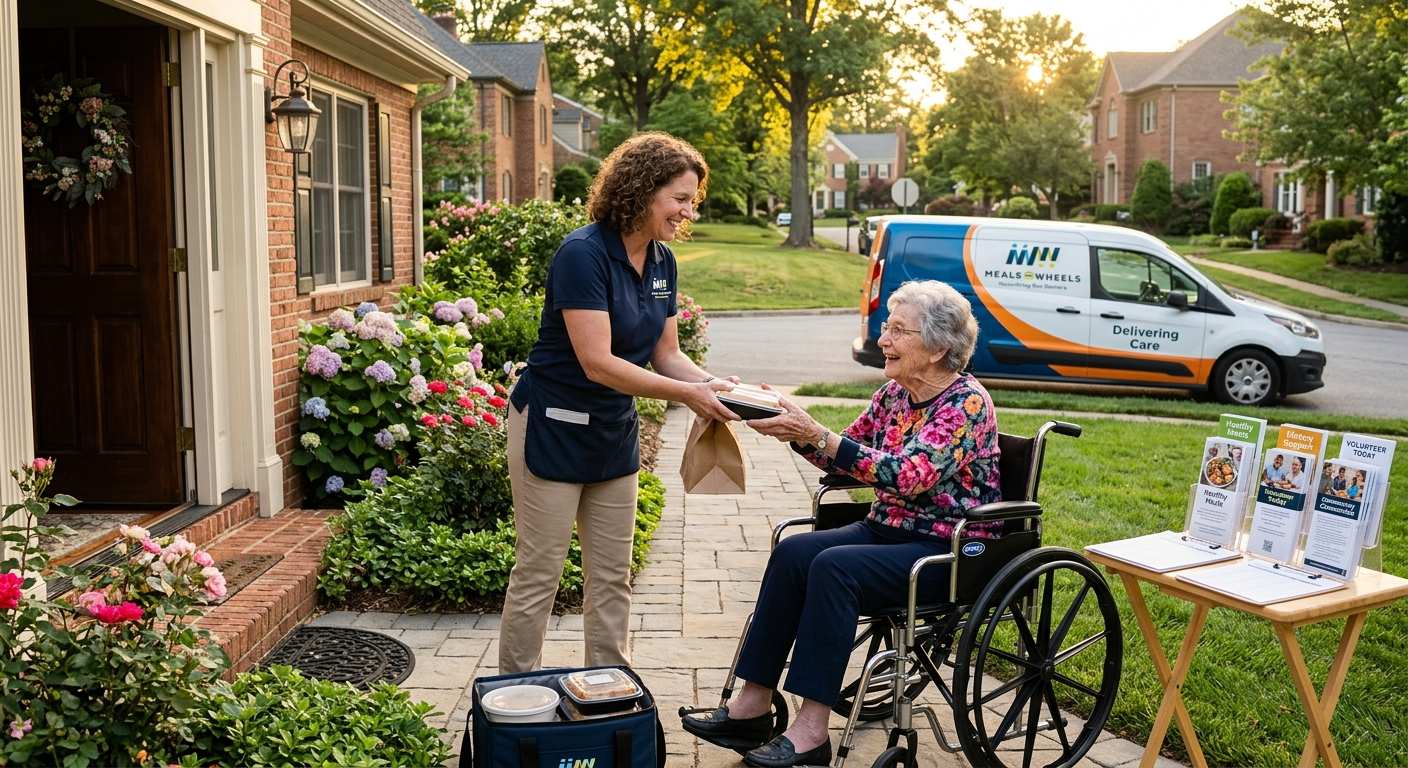
Meal delivery programs for seniors are essential for providing nutrition and social interaction, especially for those facing barriers to healthy meal preparation. Major formats include home-delivered meals, meal kits, and grocery delivery, with a noted example being Meals on Wheels, which emphasizes community support as well as nutritional benefits. Funded primarily through the Older Americans Act, these programs target seniors, particularly those who are homebound or disabled, offering services at low or no cost based on financial need.
Types of Meal Delivery Options
Seniors can choose from various meal delivery options tailored to their preferences and dietary needs. Home-delivered meal programs focus on those who cannot attend meal sites, while meal kit services provide ingredients and recipes for those who enjoy cooking. Grocery delivery works for seniors who want to prepare their meals, whereas fully prepared meal delivery services cater to individuals unable to cook, ensuring meals align with specific health concerns like diabetes or hypertension.
Eligibility Considerations
Eligibility for meal delivery programs generally targets seniors aged 60 and older, with provisions for younger individuals with disabilities. While programs like Meals on Wheels often prioritize homebound individuals, the specific requirements can vary and may include income assessments or physician recommendations. Recent legislative updates have streamlined enrollment processes, expanding access to necessary nutritional support.
Nutritional Guidelines and Adaptations
Meal delivery programs adhere to strict nutritional standards to address the diverse dietary needs of seniors. Many programs aim to meet federal dietary guidelines and offer various culturally appropriate meal options to enhance participation. Ensuring meals are healthy while meeting individual preferences—such as vegetarian or kosher—can significantly improve participant satisfaction and health outcomes.
Funding Sources and Support Systems
Funding for meal delivery programs comes from federal, state, and local sources, with the Older Americans Act serving as a key financial foundation. Programs often combine federal grants with local fundraising and community contributions, allowing them to provide services without overwhelming financial burdens on seniors. Volunteers are crucial to these programs, offering time and resources which significantly enhance their operational effectiveness.
Program Administration and Volunteer Engagement
Administration of meal delivery programs involves oversight by various agencies, ensuring that seniors receive adequate nutritional support tailored to local needs. Community volunteers are integral to this system, participating flexibly and significantly enhancing program effectiveness while fostering social connections. Coordinated volunteer efforts can help alleviate operational challenges associated with meal delivery.
Challenges and Future Directions
Despite the positive impacts of meal delivery programs, challenges like unmet demand and access disparities persist. Innovative approaches aim to enhance service effectiveness, including expanding culturally relevant menus and improving logistical operations. Developing more user-friendly communication channels and community partnerships remains essential for addressing ongoing operational barriers, ensuring that meal delivery services can adapt and continue to meet the needs of older adults effectively.
The content is provided by Sierra Knightley, Scopewires