Highlights
- Meals on Wheels provides over 218 million nutritious meals to vulnerable populations annually.
- The program adapts to dietary needs, ensuring seniors receive essential nutrition and support.
Summary
Meals on Wheels delivers nutritious meals to seniors and individuals unable to prepare food. Established in the UK during World War II, it serves globally, including the U.S., which provides over 218 million meals annually. The program addresses food insecurity, promotes health, and fosters social connections for vulnerable populations through community volunteers.
Eligibility Criteria
Typically, Meals on Wheels serves seniors aged 60 and older who are homebound, although some programs extend eligibility to younger disabled adults or spouses. Geographic delivery areas vary, and applicants need to confirm residency within these zones. Criteria often hinge on age, disability status, and caregiver availability, with some programs requiring proof of income while others do not.
Services Offered
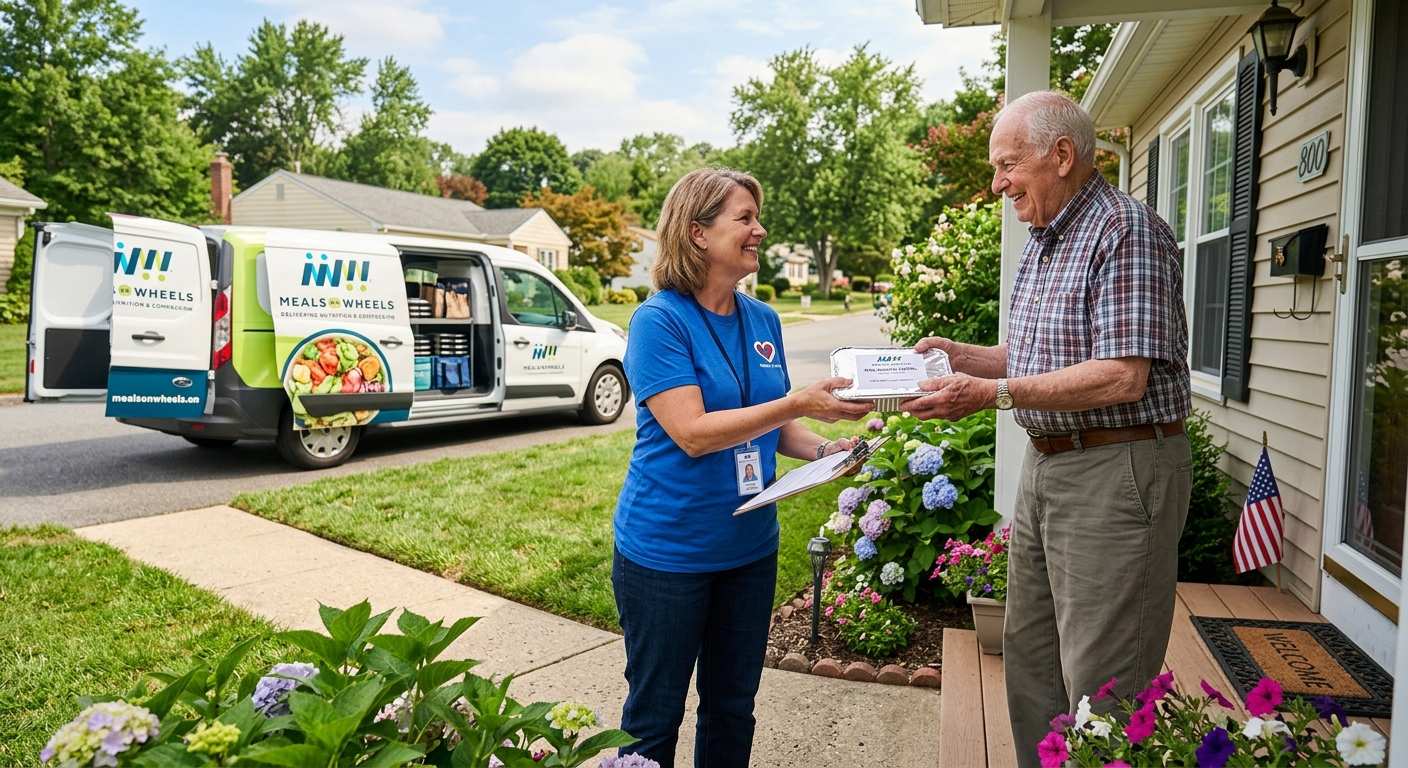
Meals on Wheels primarily delivers balanced meals tailored to specific dietary needs, such as low-sodium or diabetic-friendly options. Services include hot meals, cold meals, and additional frozen meals for weekends or holidays. Volunteers also provide social interaction and wellness checks, promoting a holistic approach to health and well-being for recipients.
Menu Planning and Nutritional Standards
Meals are precisely planned by dietitians to ensure they meet rigorous nutritional standards, providing at least one-third of daily intake as set by dietary guidelines. Options cater to various health conditions and preferences, with special meals available for dietary restrictions. Programs aim to adjust menus based on the latest dietary recommendations while striving for variety and appeal.
Impact on Recipients
Meals on Wheels significantly improves nutrition and social connectivity for seniors, helping them maintain independence and well-being. Aside from nutrition, the social interaction provided by volunteers is crucial in reducing loneliness and detecting health issues early. These benefits contribute significantly to public health by potentially decreasing hospital visits.
Funding Models
The program relies on federal, state, and private funding, with the Older Americans Act providing critical support. However, proposed budget cuts threaten these resources, leading to waitlists and unmet needs. Advocacy for increased funding emphasizes the cost-effectiveness of preventing hospitalizations through meal delivery.
Challenges Facing the Program
Funding shortfalls and restrictive eligibility criteria are significant challenges for Meals on Wheels. Many seniors may be excluded due to strict classifications of homebound status, and limited funds often result in waitlists. The program continues to adapt but faces ongoing scrutiny regarding its funding sustainability and service delivery efficiency.
Looking Ahead
The future of Meals on Wheels hinges on securing stable federal funding to meet rising demand. Recent legislative actions, while providing temporary relief, highlight ongoing challenges that need addressing to prevent service disruptions. Increased advocacy and support will be crucial for expanding access and addressing the critical needs of seniors nationwide.
The content is provided by Sierra Knightley, Scopewires