
Highlights
- Personalized exercise plans for seniors enhance safety and enjoyment while promoting independence.
- Regular physical activity improves mental health and combats chronic diseases for older adults.
Summary
Navigating Exercise: Senior-Friendly Tips for a Healthier 2025 offers guidance on safe, effective physical activity for older adults, addressing challenges like chronic conditions and physical limitations. It emphasizes personalized plans focusing on safety and enjoyment. Exercise benefits seniors by improving muscle strength, bone density, balance, cardiovascular health, and mental well-being. Recommended activities include strength training, aerobic, flexibility, and balance exercises, with adaptations for conditions like arthritis and osteoporosis. Safety advice includes consulting healthcare professionals and injury prevention. Social support, community programs, and technology are highlighted for motivation and adherence. Future trends involve personalized adaptive programs, tech integration, and holistic approaches combining exercise with nutrition and lifestyle changes.
Health Considerations and Exercise Modifications
Regular physical activity is vital for seniors to maintain health and mobility but requires tailored approaches due to joint pain, muscle loss, balance issues, and chronic illnesses such as cardiovascular disease, arthritis, osteoporosis, and diabetes. Most seniors benefit from low- to moderate-intensity exercise, but consultation with healthcare professionals is advised, especially for those with severe conditions. Weight-bearing and mobility exercises help preserve bone strength and independence, while gradual progression and hydration are key. Adaptive exercises like chair workouts and water therapy accommodate limitations, ensuring safety and accessibility.
Benefits and Challenges of Senior Exercise
Exercise improves seniors’ strength, flexibility, balance, cardiovascular health, and cognitive function, reducing fall risk and chronic disease incidence. It also enhances mental health by lowering depression and anxiety. Group activities foster social engagement and motivation. Challenges include physical limitations, injury risk, psychological barriers, and financial or accessibility issues. Safety concerns necessitate carefully designed programs emphasizing slow, controlled movements and proper posture. Medical clearance is recommended before vigorous exercise, and tailored programs help manage chronic conditions safely.
Recommended Exercises and Safety Guidelines
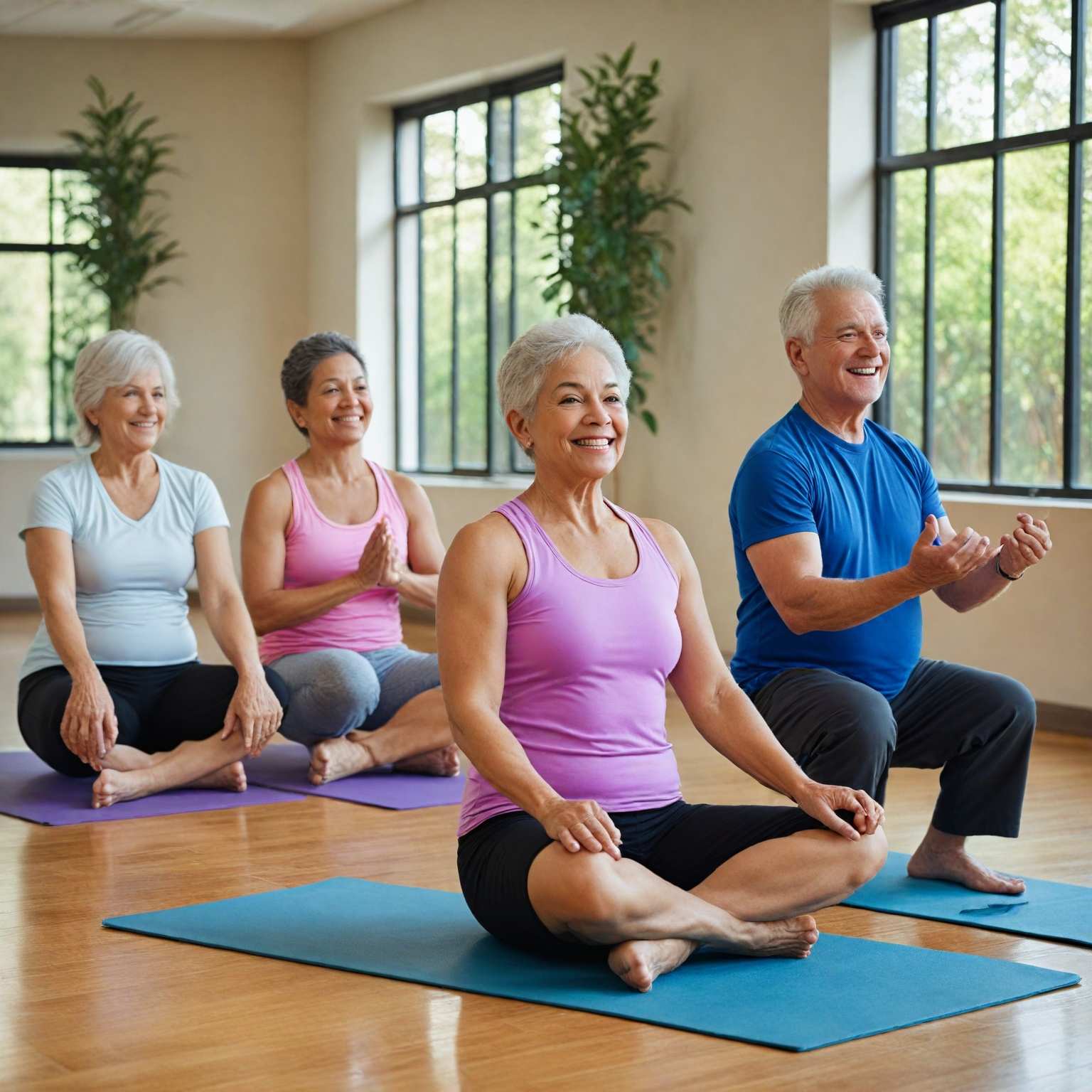
Key exercises for seniors include strength training with light resistance to maintain muscle and bone health, chair yoga and stretching for flexibility, moderate aerobic activities like walking and swimming for cardiovascular benefits, and balance-enhancing low-impact workouts to reduce fall risk. Cool down and stretching after exercise support joint health. Safety involves healthcare consultation, gradual intensity progression, warm-up and cool-down periods, controlled movement pace, and environmental considerations like temperature and hydration. Regular medication review and home safety checks further reduce risks.
Personalized Exercise Plans and Frequency
Personalized plans should align with individual fitness, health conditions, and preferences, combining aerobic, strength, balance, and flexibility exercises. Starting slowly with low-impact activities and progressing steadily builds confidence and reduces injury risk. Exercising 150 minutes weekly with strength training two days per week is generally effective. Social engagement through groups or buddy systems enhances consistency and enjoyment. Consulting professionals ensures tailored, safe routines. Healthy lifestyle choices complement exercise, and tools like the Activity Planner aid goal setting and motivation.
Technology and Community Support
Digital tools and apps provide seniors with accessible, adaptable fitness programs and health tracking, supporting safe progression and enabling social connection through virtual communities. Healthcare professionals can remotely monitor and customize plans using these technologies. Community-based programs and Life Plan Communities offer social engagement, motivation, and resources that encourage regular physical activity. Sharing goals with friends, family, or professionals fosters accountability and sustained participation.
Outcomes and Future Trends
Case studies show adaptive exercise programs improve seniors’ strength, balance, and mental health, even with mobility limitations, when supported by social and professional networks. Future trends emphasize personalized, adaptive, and group-based exercise options, greater healthcare-community collaboration, and technology integration for feedback and motivation. Nutrition remains essential in supporting exercise benefits and healthy aging, promoting overall well-being for seniors.
The content is provided by Harper Eastwood, Scopewires