
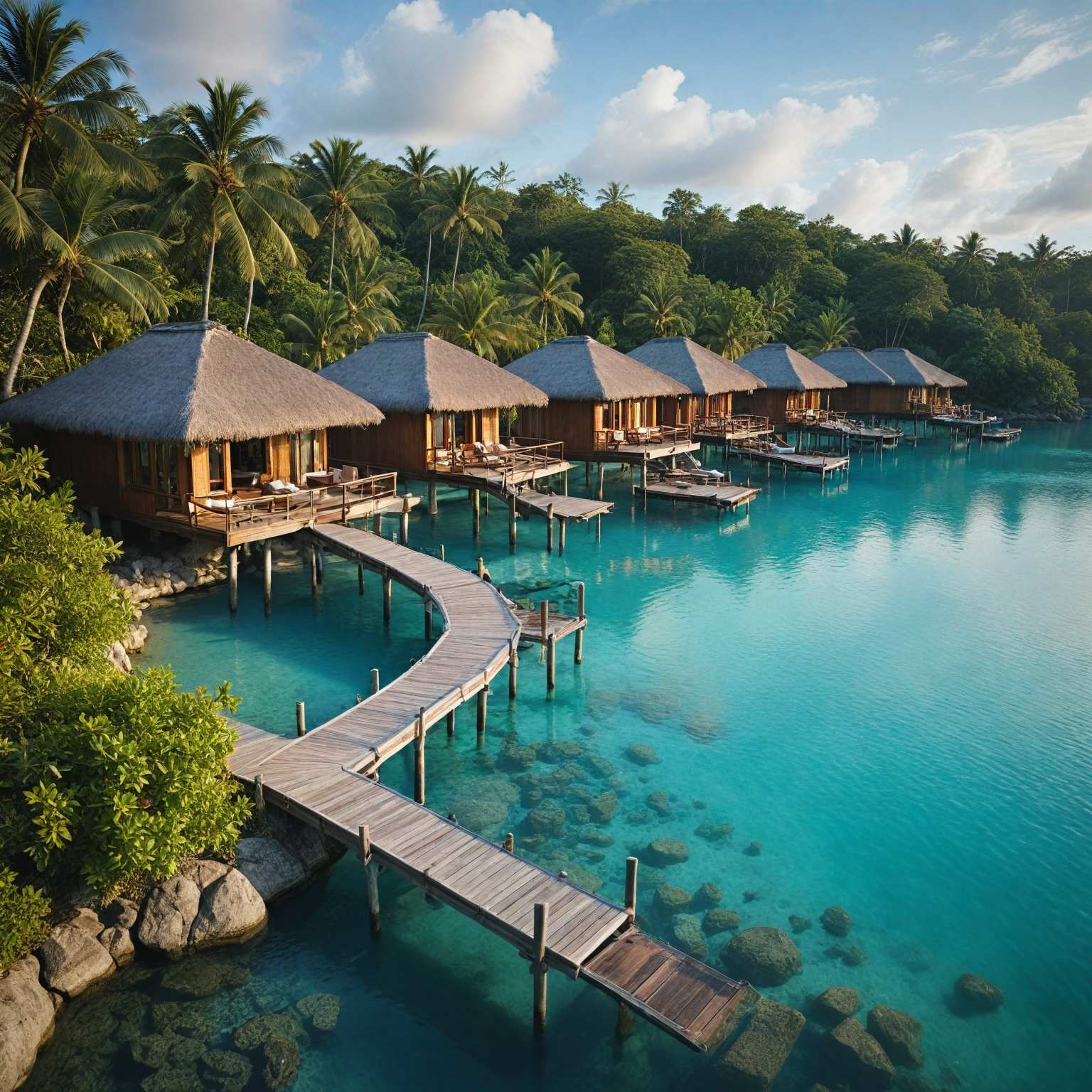
Highlights
- Luxurious Tropical Escapes: Overwater bungalows offer exclusive access to marine environments with modern comforts like private infinity pools and personalized services, creating perfect getaways for honeymooners and couples seeking opulent tropical experiences.
- Environmental Sustainability: While these luxury accommodations provide tranquility and ocean access, there is a growing concern about their environmental impact. Some resorts are implementing sustainable practices to minimize disruption to marine ecosystems and promote responsible tourism.
- Cultural Fusion and Social Atmospheres: Overwater bungalows blend indigenous Polynesian design with modern hospitality, enriching local heritage. They cater to various social preferences, from adults seeking privacy and romance to family-friendly options, nurturing diverse and inclusive atmospheres.
Summary
Overwater bungalows are a distinctive form of luxury accommodation characterized by individual villas built on stilts directly above the water, typically in tropical and subtropical destinations. Originating in the 1960s on the French Polynesian island of Moorea, these structures were inspired by traditional Polynesian fishing huts and designed to offer guests intimate access to marine environments combined with modern comfort and privacy. Overwater bungalows have since evolved from rustic shelters into symbols of opulence, often featuring amenities such as private infinity pools, glass floors, and personal butler service, catering primarily to honeymooners, couples, and adults-only travelers seeking exclusive tropical escapes.
The popularity of overwater bungalows has expanded globally, with prominent clusters in the South Pacific—especially French Polynesia and Bora Bora—the Maldives, Fiji, the Caribbean, and increasingly new markets like the Red Sea in Saudi Arabia. These resorts blend traditional architectural elements with contemporary luxury and emphasize seamless integration with their natural surroundings. Despite their appeal, overwater bungalows often come with high price points and can vary widely in design and exclusivity, from ultra-luxury resorts commanding thousands of dollars per night to more affordable and eco-friendly options in emerging destinations.
While overwater bungalows offer unparalleled experiences of tranquility and direct ocean access, their environmental impact has become a subject of growing concern. Construction and operation can disrupt delicate marine ecosystems, including coral reefs and aquatic wildlife habitats, through shading, physical disturbance, and waste management challenges. In response, some resorts have adopted sustainable practices such as prefabrication, eco-friendly materials, and conservation programs to mitigate ecological damage and promote responsible tourism.
Culturally, overwater bungalows reflect a fusion of indigenous Polynesian design traditions and modern hospitality, enhancing local heritage while providing immersive experiences that celebrate regional environments and customs. These resorts also foster diverse social atmospheres, with adults-only properties emphasizing privacy and romance, alongside family-friendly options. Ongoing debates center on balancing luxury tourism benefits with environmental stewardship and social responsibility, underscoring the importance of sustainable development in the future of overwater bungalow accommodations.
History and Development
Overwater bungalows are a relatively modern invention, originating in the 1960s on the French Polynesian island of Moorea. The first overwater bungalows were introduced at the Club Bali Hai Moorea resort, founded by three Californian friends: Don McCallum, Jay Carlisle, and Hugh Kelley, collectively known as the Bali Hai trio. Inspired by James A. Michener’s 1947 novel Tales of the South Pacific—which also inspired the musical South Pacific—the trio sought to create a unique accommodation experience that combined traditional Polynesian fishing huts with modern luxury.
The idea for constructing bungalows on stilts above the water was influenced by Tahitian fishing huts, which locals used as simple wooden shelters for fishing. Hugh Kelley, recognizing the lack of beachfront on their Raiatea property, saw an opportunity to build over the reef, providing guests direct access to the lagoon and a distinctive way to connect with the natural surroundings. This innovation quickly gained popularity after a feature in the December 1962 issue of Life magazine, catalyzing the spread of overwater bungalows throughout French Polynesia and eventually to other tropical destinations such as the Maldives and the Caribbean in the 1980s.
Initially, the overwater bungalows were rustic, simple huts that emphasized closeness to the water and nature. However, over the decades, the style evolved into a symbol of luxury accommodation. Modern overwater bungalows often feature lavish amenities including private infinity pools, rooftop terraces, and personal butlers, transforming them from modest fishing huts to opulent suites. The concept has since been adopted by luxury hotel chains worldwide, with properties in locations like Fiji, Bora Bora, and the Maldives offering adults-only exclusivity and direct lagoon access as key selling points.
Today, overwater bungalows are synonymous with luxury tropical getaways, catering especially to honeymooners and travelers seeking privacy and unique experiences in serene aquatic environments. The evolution from simple Polynesian fishing huts to extravagant resorts highlights the blend of cultural inspiration and modern tourism demands that define the history and development of overwater bungalows.
Design and Architecture
Overwater bungalows are celebrated for their elegant and minimalist design, often characterized by clean lines, graceful curves, and sandy hues that harmonize with their unique desert and coastal environments. British firm Foster + Partners exemplifies this approach, creating expansive overwater structures that blend seamlessly into their natural surroundings. The architectural style typically incorporates traditional Polynesian influences, such as the use of pandanus leaf roofing and teak furnishings, which lend a natural feel to the interiors while maintaining modern luxury.
Despite advances in construction technology, including 3-D modeling, enhanced excavation equipment, and materials resistant to rust and salinity, the fundamental concept of overwater bungalow construction remains rooted in its origins from the mid-1960s in Tahiti. Early American expatriates adapted traditional Tahitian fishing huts by elevating stilted bungalows above calm reef waters, a method that has largely persisted to this day. The durability and stability of the stilts and foundations are critical, requiring meticulous design to withstand environmental challenges while minimizing ecological impact.
Prefabrication techniques have become increasingly popular, reducing the need for extensive carpentry and nail work over water, thereby lessening construction disruption and environmental footprint. Architects emphasize the importance of celebrating the marine environment rather than damaging it, striving to balance luxury with sustainability. Resorts like The Brando showcase eco-friendly practices in their design, further enhancing the positive impact on local ecosystems and guest experience.
Luxury overwater bungalows often include spacious layouts with separate sleeping and lounge areas, spa-inspired bathrooms, and expansive outdoor decks featuring plunge pools, hammocks, or glass floors that allow guests to view the ocean beneath their feet. These elements combine to create an immersive and tranquil environment, ideal for romantic getaways, honeymoons, and adults-only vacations, while also accommodating families in select locations through thoughtful architectural adaptations.
Popular Destinations
Overwater bungalows have become iconic symbols of luxury and tropical escape, with some of the most renowned destinations located across the South Pacific, Indian Ocean, and increasingly in the Caribbean and Central America. Their popularity stems from the combination of stunning natural settings, exclusive accommodations, and unique cultural designs inspired by traditional island architecture.
South Pacific
The South Pacific is widely recognized as the birthplace of overwater bungalows, with the French Polynesian island of Moorea pioneering the concept in the 1960s. The Club Bali Hai Moorea resort, created by a trio of Californian friends inspired by James A. Michener’s Tales of the South Pacific, was the first to introduce this novel accommodation type, gaining international attention after a feature in Life magazine in 1962. Since then, overwater bungalows have spread across French Polynesia, especially in Tahiti, Moorea, and Bora Bora, where they remain among the most sought-after luxury stays. These bungalows typically emulate the traditional Polynesian village houses and are connected to the shore via wooden walkways, offering guests direct access to crystal-clear lagoons.
Tahiti itself serves as a major gateway to these idyllic islands, with resorts such as the InterContinental Tahiti Resort & Spa combining traditional design with modern luxury, including spa facilities, cultural activities, and freshwater infinity pools. The St. Regis Bora Bora is another prime example, showcasing the classic thatched-roof water villas with private sun decks overlooking turquoise waters. The French Polynesian islands also tend to be LGBT-friendly destinations, embracing progressive hospitality within their resorts.
Caribbean and Central America
Though historically more expensive and less common, overwater bungalows have begun to appear in the Caribbean and Central America, offering a more accessible entry point to this style of accommodation. Destinations like Belize’s St. George’s Caye Resort provide adults-only, rustic yet indulgent private island lodging with a secluded feel despite proximity to Belize City. Similarly, Guatemala, Honduras, Jamaica, and St. Lucia have developed overwater bungalow resorts that, while fewer in number, offer world-class food, drinks, and activities at relatively competitive rates. St. Lucia, in particular, features an all-inclusive resort with nine overwater villas that combine luxury with affordability, appealing to travelers seeking an overwater experience outside the traditional South Pacific or Indian Ocean locales.
Maldives
The Maldives boasts the largest collection of overwater accommodations globally, with more than 6,000 water villas spread across over 130 resorts. Known for their thatched roofs, spacious lounge areas, rain showers, and private sun decks, Maldivian water villas often include adults-only options alongside family-friendly ones, catering to diverse preferences. Resorts such as the Conrad Maldives provide a high level of privacy and luxury while offering direct lagoon access. Recent trends indicate that rates for Maldivian resorts may become more accessible in 2025, making the Maldives a competitive choice compared to other upscale overwater destinations.
Fiji
Fiji has carved out a niche in the overwater bungalow market with unique offerings like the Edgewater Floating Bures at Koro Sun Resort on Vanua Levu island. These adult-only floating accommodations provide 380-square-foot rooms positioned within the calm marina, including private porches and hammocks, often offered as full-board packages at relatively affordable prices. While these bungalows are somewhat clustered, limiting privacy compared to more exclusive resorts, they offer excellent value and an authentic Fijian experience. The eco-friendly Likuliku Lagoon Resort, the first in Fiji to introduce overwater bungalows, emphasizes conservation efforts, including the protection of the endangered Fijian Crested Iguanas within its sanctuary.
Emerging and Unique Locations
Recent years have seen the expansion of overwater bungalow resorts to less traditional regions. Saudi Arabia, for example, has launched high-end resorts like the St. Regis Red Sea Resort and the Nujuma, A Ritz-Carlton Reserve, located on private islands in the Red Sea. These resorts blend luxury with regional cultural influences and are part of Saudi Arabia’s broader push to develop international tourism. Other locations include Indonesia and even Switzerland, highlighting the global appeal of overwater accommodations that now span diverse climates and cultures.
Amenities and Services
Overwater bungalows often provide a wide range of luxury amenities and services designed to enhance guests’ comfort, privacy, and overall experience. Many resorts feature elegantly designed accommodations with wood detailing and wicker furniture, creating a blend of modern luxury and natural aesthetics. The interiors typically include sleek, contemporary furnishings and spa-inspired bathrooms equipped with soaking tubs and separate showers, contributing to a relaxing atmosphere.
Common amenities include private infinity pools, over-the-water hammocks, and tranquility soaking tubs for two, allowing guests to unwind while enjoying the surrounding turquoise waters. Glass floor panels are a popular feature, offering unique views of exotic marine life beneath the bungalows. Many resorts also provide personalized butler service and VIP treatment, ensuring that guests receive attentive care throughout their stay.
On-site facilities frequently encompass multiple dining options, ranging from casual bars to specialty overwater restaurants, such as Polynesian-style establishments serving regional cuisine, including French crepes with scenic lagoon views. Wellness amenities are also a highlight, with spas offering various treatments and relaxation therapies to complement the tranquil environment.
For families and groups, certain resorts cater specifically to their needs by offering babysitting and child-minding services, as well as family-friendly villas and amenities, while many overwater bungalows remain adults-only to maintain a peaceful ambiance. Additional services often include airport transfers, cultural demonstrations, sports and recreational activities, and all-inclusive packages that provide convenience and comprehensive luxury experiences.
Unique and Signature Experiences
Overwater bungalows offer guests a distinctive blend of luxury, privacy, and direct access to marine environments, creating truly memorable stays. Many resorts feature expansive glass-paneled floors that provide uninterrupted views of vibrant coral reefs and colorful fish right from the bungalow’s interior, allowing guests to engage with marine life without ever leaving their rooms. Some accommodations elevate this experience by including private infinity pools, over-the-water hammocks for two, and Tranquility Soaking Tubs™, which offer couples intimate and romantic ways to connect with the surrounding turquoise waters.
The design of these bungalows often incorporates natural elements such as thatch roofs, pandanus leaves, and teak furnishings, which blend seamlessly with the scenic backdrops of lagoons and verdant mountains. Guests can descend directly from their decks into warm, calm seas teeming with aquatic life or enjoy kayaking and other water activities provided by the resorts, enhancing their immersion in nature.
Beyond the physical features, many overwater bungalow resorts prioritize wellness and cultural enrichment. Some properties provide comprehensive health and wellness programs, cooking classes, and kid-friendly activities, ensuring a holistic and engaging vacation experience for all ages. Moreover, sustainability is a key element at several resorts, where eco-friendly practices protect local ecosystems while offering guests a responsible travel experience that benefits both nature and nearby communities.
These accommodations are also known for their romantic appeal, often catering to honeymooners and couples seeking a secluded paradise. Exclusive beach chapels and private ceremony options are commonly available, making these resorts popular destinations for weddings and intimate celebrations. While the standards of luxury remain consistently high across properties, guests can find varied experiences from ultra-private, secluded bungalows to more social, family-friendly environments, depending on their preferences and the resort’s offerings.
Booking and Pricing
Overwater bungalows, especially those at luxury resorts, tend to come with a significant price tag, often ranging from $170 to $1,000 per night depending on the level of luxury, location, and season. True luxury resorts, particularly those offering all-inclusive or full-board packages, typically approach the higher end of this range, with prices peaking during the high season from May to October. Many resorts provide amenities such as private pools or direct lagoon access, which can increase the cost of accommodation.
Despite the high prices generally associated with overwater bungalows, there are more affordable options available in popular destinations such as the South Pacific (including Tahiti and Bora Bora), Central America, the Caribbean, and Asia, including the Maldives. Economic fluctuations in countries like China and Russia have also influenced pricing trends, causing some resorts to reduce rates following a period of increases.
Booking policies vary by resort. For example, Four Seasons Resort Bora Bora accepts major credit cards including American Express, Visa, MasterCard, JCB, and China UnionPay (with some restrictions on the latter for online bookings) and does not charge additional fees for children aged 17 and under sharing a room with parents or guardians, subject to space availability. Special rates may also be available for families occupying multiple rooms.
Luxury resorts commonly maintain consistent standards of service and accommodations across their room types, resulting in limited price variation and few discounted entry-level suites. Many properties emphasize authentic experiences by incorporating local materials and designs into their bungalows, blending natural surroundings with modern comforts. Some resorts also offer family-friendly activities, wellness programs, and sustainability initiatives, further enhancing their appeal.
Environmental Impact and Sustainability
Overwater bungalows, while offering a unique and luxurious experience, pose significant environmental challenges, particularly to marine ecosystems. The construction and presence of these structures can alter natural light and wave patterns, which negatively affect fish and other sea creatures by disrupting their habitats and behaviors. For instance, the shading caused by bungalows reduces light penetration, which impairs the growth of underwater plants essential to reef health. Additionally, building these accommodations often involves disturbing coral reefs and other sensitive marine habitats, leading to long-term ecological damage.
Waste management is another critical concern. Many resorts lack adequate systems to handle waste effectively, resulting in pollution of surrounding waters that harms local wildlife and diminishes the natural beauty of these areas. Overwater bungalows also tend to rely on energy-intensive systems to maintain comfort and luxury, which can increase their environmental footprint.
In contrast, land-based beach huts generally have a smaller ecological impact. They avoid direct disturbance of underwater ecosystems and can
Cultural and Social Aspects
Overwater bungalows are not only a symbol of luxury accommodation but also carry cultural significance rooted in indigenous traditions. The concept traces back to Polynesian communities, who traditionally built simple wooden huts on stilts over water as fishing shelters. This practical architectural style inspired the modern luxury overwater bungalow, which emerged in the 1960s as a dreamlike overnight experience combining comfort and natural surroundings.
The social atmosphere around overwater bungalow resorts often reflects the diversity of the regions in which they are located. For example, Jamaica’s vibrant mix of cultures, traditions, cuisine, and languages enriches the guest experience at resorts such as the Sandals South Coast Luxury Resort, where overwater bungalows offer breathtaking views of the Caribbean Sea alongside local cultural immersion. Similarly, many resorts integrate elements of Polynesian culture through design, culinary offerings, and cultural demonstrations, providing guests with an authentic and immersive stay that respects and celebrates local heritage.
Moreover, these resorts tend to cater to a variety of social groups, including families, honeymooners, and adults-only clientele, often with tailored amenities and services. Adults-only overwater bungalow resorts, in particular, emphasize privacy, tranquility, and romantic experiences, fostering an atmosphere of exclusivity and refined social interaction. The integration of spa services, fine dining, and luxury accommodations further enhances the social environment by encouraging relaxation and socializing in elegant settings.
While overwater bungalows provide an exceptional cultural and social experience, it is important to acknowledge ongoing discussions regarding their environmental and social impact. Building these structures can disturb delicate marine ecosystems, such as coral reefs, which are vital to local communities and biodiversity. Some resorts, like The Brando, have responded by adopting sustainable practices aimed at reducing ecological footprints and supporting local environmental health, demonstrating a growing awareness of the need to balance luxury tourism with environmental stewardship and community well-being.
Notable Resorts and Examples
Overwater bungalows have become synonymous with luxury and exclusivity, often located in some of the most breathtaking tropical destinations worldwide. Among the most celebrated resorts are those in the Maldives, Bora Bora, Panama, and the Red Sea, each offering distinctive experiences and varying price points.
One of the premier examples is the Constance Prince Maurice in Mauritius, which, beyond its exquisite overwater accommodations, boasts excellent spa facilities and a wide array of activities including water sports and golf on two championship 18-hole courses. Similarly, in Panama’s Caribbean coast, the Eclypse de Mar resort in Bocas del Toro offers a more intimate and eco-friendly experience with just seven overwater bungalows that harmonize with the surrounding jungle and its own nature reserve. Nearby, the adults-only Nayara Bocas del Toro provides 16 overwater bungalows with stunning marine park views and glass floors to observe the sea life below.
In the South Pacific, The St. Regis Bora Bora remains a landmark in overwater bungalow luxury, with its design inspired by traditional island village houses connected by wooden walkways. The popularity of such accommodations in this region soared after a feature in Life magazine in 1962, setting a trend that spread across French Polynesia and beyond. Bora Bora’s bungalows are among the most sought after but tend to come with a high price tag, making budget options a rare find on the island. French Polynesia, including Tahiti and Moorea, is also noted for its LGBT-friendly resorts, reflecting the progressive nature of the local culture and hospitality industry.
The Maldives stands out as the global leader in overwater bungalow accommodations, offering over 6,000 water villas spread across more than 130 resorts. Prices vary significantly, ranging from around $500 USD per night to extravagant offerings such as the Soneva Jani, which can command rates up to $25,000 per night. Resorts like the Conrad Maldives offer distinct zones for adults-only and family-friendly villas, featuring thatched roofs, lagoon views, rain showers, private sun decks, and direct water access from the villas themselves.
More recently, the luxury resort scene has expanded to the Saudi Arabian Red Sea with the opening of Nujuma, A Ritz-Carlton Reserve, in 2024. Situated on its own private island in the Ummahat Islands, Nujuma is the first Ritz-Carlton Reserve in the broader region and one of only seven worldwide. This resort is characterized by its ultra-luxurious overwater bungalows designed to provide an exclusive adults-only experience with all-inclusive amenities and spa services.
In addition to these high-end options, there are notable mid-range and affordable overwater bungalow resorts in Latin America, such as the Azul Over-the-Water Resort in Bocas del Toro, Panama, where prices can be as low as $300 per night. This offers a unique and more accessible alternative to the traditionally expensive Caribbean and South Pacific markets while maintaining a high level of comfort and local charm.
These examples illustrate the diversity within the overwater bungalow market, from super-luxury properties in iconic island destinations to eco-conscious and budget-friendly resorts in less traveled locations, all catering to adults seeking exclusive and memorable experiences.
The content is provided by Avery Redwood, Scopewires


