
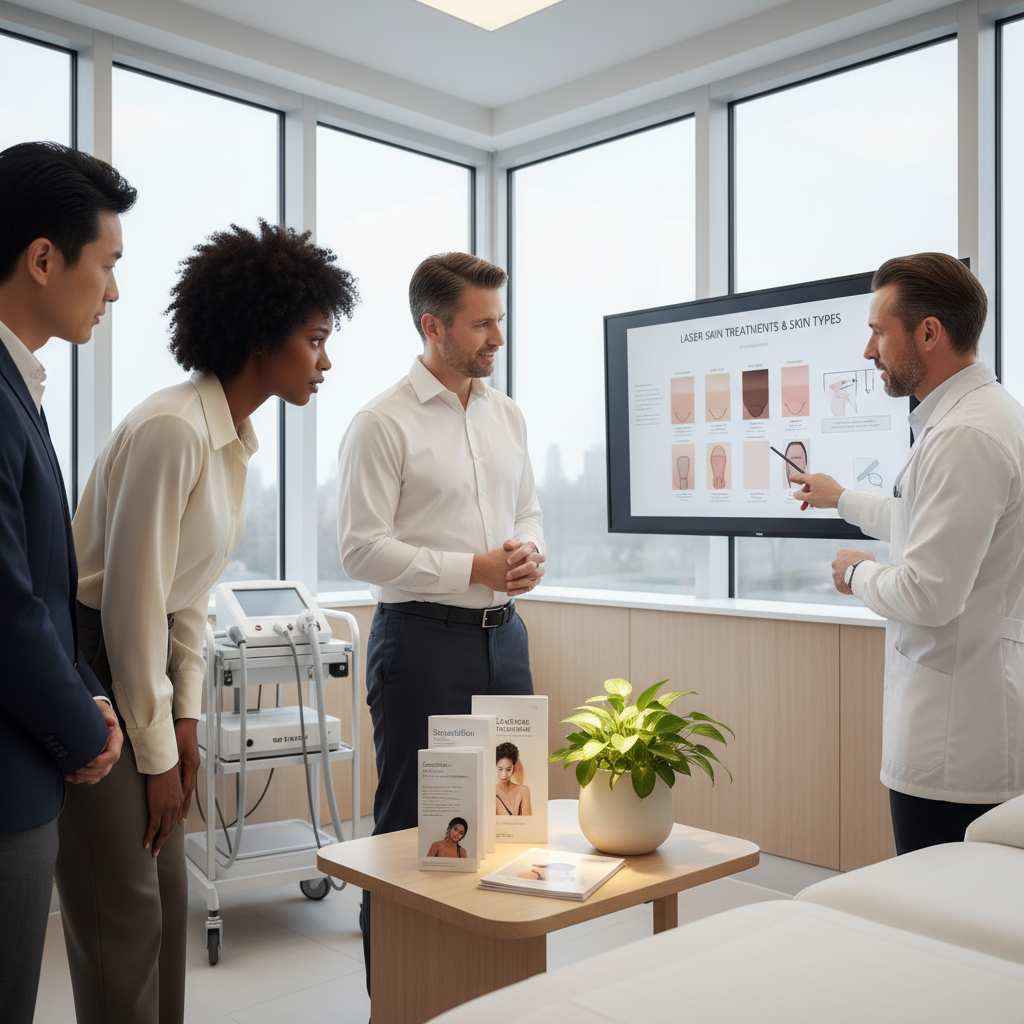
Highlights
- Understanding laser treatment types is crucial for achieving desired skin rejuvenation results.
- Prioritizing safety and personalized care ensures optimal outcomes for first-time laser therapy patients.
Summary and Overview of Laser Skin Treatments
Secrets to Successful First-Time Laser Skin Treatments Revealed offers a guide for individuals considering laser therapy for skin rejuvenation. Laser treatments use focused light to stimulate collagen and address concerns like pigmentation, scarring, and vascular lesions. Key laser types include ablative, non-ablative, and fractional lasers, with the choice depending on skin type, goals, and medical history. Proper patient consultation and preparation are critical to minimize risks such as pigmentation changes and scarring, especially in darker skin tones. Pre- and post-treatment care, including sun protection, medication adjustments, and aftercare, optimize results. Consulting board-certified professionals ensures personalized planning and addresses psychological aspects like patient anxiety and expectations.
Laser skin treatments are non-invasive procedures targeting chromophores like melanin and blood to improve texture and tone. Ablative lasers remove skin layers for dramatic results but require longer recovery, while non-ablative lasers stimulate collagen without damaging the surface, suitable for moderate improvements. Fractional lasers treat portions of skin, enabling faster healing. Other therapies like LED and IPL also aid rejuvenation. Treatment choice depends on individual needs and should be decided with a qualified specialist.
Patient Assessment, Consultation, and Preparation
A thorough consultation reviews medical history, contraindications (e.g., autoimmune diseases, skin cancer, pregnancy), and medications to avoid adverse effects. Evaluating Fitzpatrick skin type guides laser settings to reduce risks of pigmentation changes, especially in darker skin. Skin condition and lesion assessment help tailor treatments, particularly for pigmentary disorders like melasma.
Patients should avoid sun exposure, discontinue photosensitizing and active skincare products (e.g., retinoids, exfoliants) at least a week prior, and inform providers about herpes history for antiviral prophylaxis. Arriving with clean, makeup-free skin and discussing realistic expectations supports treatment success.
Treatment Procedure and Post-Treatment Care
Laser treatment begins with test spots at low settings to ensure safety, especially for darker skin types. Patients may feel a snapping sensation during the procedure. Post-treatment redness and swelling are common and managed with occlusive ointments and gentle skincare. Avoid other aggressive skin procedures during healing—chemical peels and dermabrasion should be postponed for weeks to months depending on intensity.
Aftercare includes strict sun protection with SPF 30+, avoiding harsh products, gentle cleansing, and moisturizing. Ice packs can reduce inflammation. Patients should avoid skin disruption (waxing, picking) during recovery. Follow-ups monitor healing and adjust care to ensure optimal outcomes.
Risks, Safety Factors, and Psychological Considerations
Laser treatments carry risks such as redness, pigmentation changes, and rare complications like scarring. Common side effects include transient cellular changes and mild systemic symptoms. Contraindications include autoimmune diseases, skin cancer, pregnancy, and bleeding disorders. Safety depends on laser type, practitioner skill, and patient characteristics.
Clear communication about risks, realistic goals, and expected recovery helps manage patient anxiety and satisfaction. Multiple sessions may be needed. Understanding discomfort levels and aftercare improves psychological comfort. Screening for contraindications prevents harm and psychological distress.
Best Practices and FAQs
Successful outcomes rely on preparation, adherence to aftercare, and ongoing communication with experienced professionals. Hydrating, cleansing, and medication adjustments before treatment enhance effectiveness. Realistic goal-setting and regular follow-ups foster trust and optimize results.
FAQs:
- Common conditions prompting laser therapy: Dyschromia, melasma, and postinflammatory hyperpigmentation, especially in darker-skinned patients.
- Pre-treatment considerations: Identify and eliminate factors like oral contraceptives and photosensitizing drugs that worsen pigmentation disorders.
- Determining laser settings: Test spots with gradual fluence increases and 48-hour intervals to monitor reactions, crucial for darker skin.
- Contraindications: Systemic autoimmune diseases, immune deficiencies, skin cancer, pregnancy, breastfeeding, and bleeding disorders.
The content is provided by Avery Redwood, Scopewires


