
Highlights
- Tailored Housing for Active Seniors: Senior apartments offer older adults aged 55 and above comfortable, accessible, and affordable living spaces tailored to their needs, emphasizing independence and age-appropriate features within supportive peer-oriented environments.
- Focus on Community, Wellness, and Independence: Designed to enhance safety and social interaction, senior apartments provide features like handrails, non-slip flooring, and communal areas to reduce isolation, promote wellness, and foster emotional well-being, making them an appealing choice for self-sufficient seniors looking for autonomy in a supportive setting.
- Challenges and Solutions: While facing affordability and regulatory challenges, senior apartments benefit from ongoing efforts to expand affordable housing options and enhance safety measures, recognizing the importance of addressing the diverse care needs of the aging population through thoughtful design and programming.
Summary and Overview
Senior apartments are age-restricted residential communities for adults typically aged 55 and older, designed to provide accessible, safe, and affordable housing while promoting independence. Unlike assisted living or continuing care facilities, they generally do not offer bundled personal care or medical services, focusing on private living spaces within supportive peer environments. Features often include wheelchair accessibility, safety modifications, and communal areas that encourage social engagement to reduce isolation and enhance well-being. Many qualify for the Housing for Older Persons Act (HOPA) exemption, allowing age restrictions to maintain a consistent demographic.
Senior apartments differ from other senior living options by requiring residents to manage their own daily needs, which often results in lower costs and greater autonomy. While independent living communities offer bundled amenities like meals and housekeeping, senior apartments emphasize private, accessible living without extensive healthcare services. Challenges include affordability, regulatory compliance, and meeting diverse care needs, with ongoing efforts at various government levels to expand affordable housing and enhance safety and social programming.
Types of Senior Apartment Communities and Features
Senior apartments typically serve residents aged 55 or 62 and older and come in various forms based on independence and care needs. Independent living communities provide a maintenance-free lifestyle with amenities such as fitness centers and housekeeping. Assisted living facilities offer help with daily activities and 24-hour supervision, while continuing care retirement communities (CCRCs) combine independent living, assisted living, and nursing care on one campus to accommodate evolving needs.
Independent senior apartments cater to active, self-sufficient seniors, featuring age-in-place design elements like handrails and non-slip flooring. Unlike independent living communities, they usually exclude services such as meals and housekeeping, focusing on accessible private living with social opportunities.
Typical amenities include flexible communal spaces, dining options, housekeeping, transportation, fitness centers, and safety features like ramps, elevators, security systems, and emergency call devices. Wellness programs support physical, cognitive, and emotional health through activities such as yoga, therapy, and nutritious meals. Care levels range from minimal onsite nursing in independent living to 24/7 medical support in assisted living and skilled nursing facilities.
Benefits and Challenges
Senior apartments promote social interaction and community engagement through shared spaces and wellness initiatives, helping reduce isolation and support mental health. Safety features like handrails and non-slip flooring help prevent injuries, while trained staff enhance security and emergency response. Wellness programs improve cognitive function, physical health, and independence, and the maintenance-free living supports autonomy without homeownership burdens.
Challenges include maintaining safety systems, navigating variable fee structures, preventing social isolation, and meeting regulatory requirements such as age verification. These apartments primarily serve those with minimal assistance needs, which may limit options for seniors requiring intensive care. Addressing these issues requires thoughtful design, clear communication, and adaptable services.
Financial Assistance and Economic Factors
Various financial assistance programs help low-income seniors afford senior apartments, including rental vouchers, public housing, and emergency rental assistance. The Housing Choice Voucher Program enables eligible seniors to rent privately owned housing, with local public housing agencies providing application support. Federal programs assist about 10 million people nationwide, with efforts to expand subsidies further.
Nonprofit developers may access low-cost loans to build affordable senior housing, subject to tenant eligibility. Economic and geographic factors influence availability and costs: urban areas face higher prices due to supply constraints, while rural areas have lower costs but variable housing quality. Strategies differ accordingly, with urban initiatives focusing on increased density and rural efforts emphasizing preservation and renovation of existing stock.
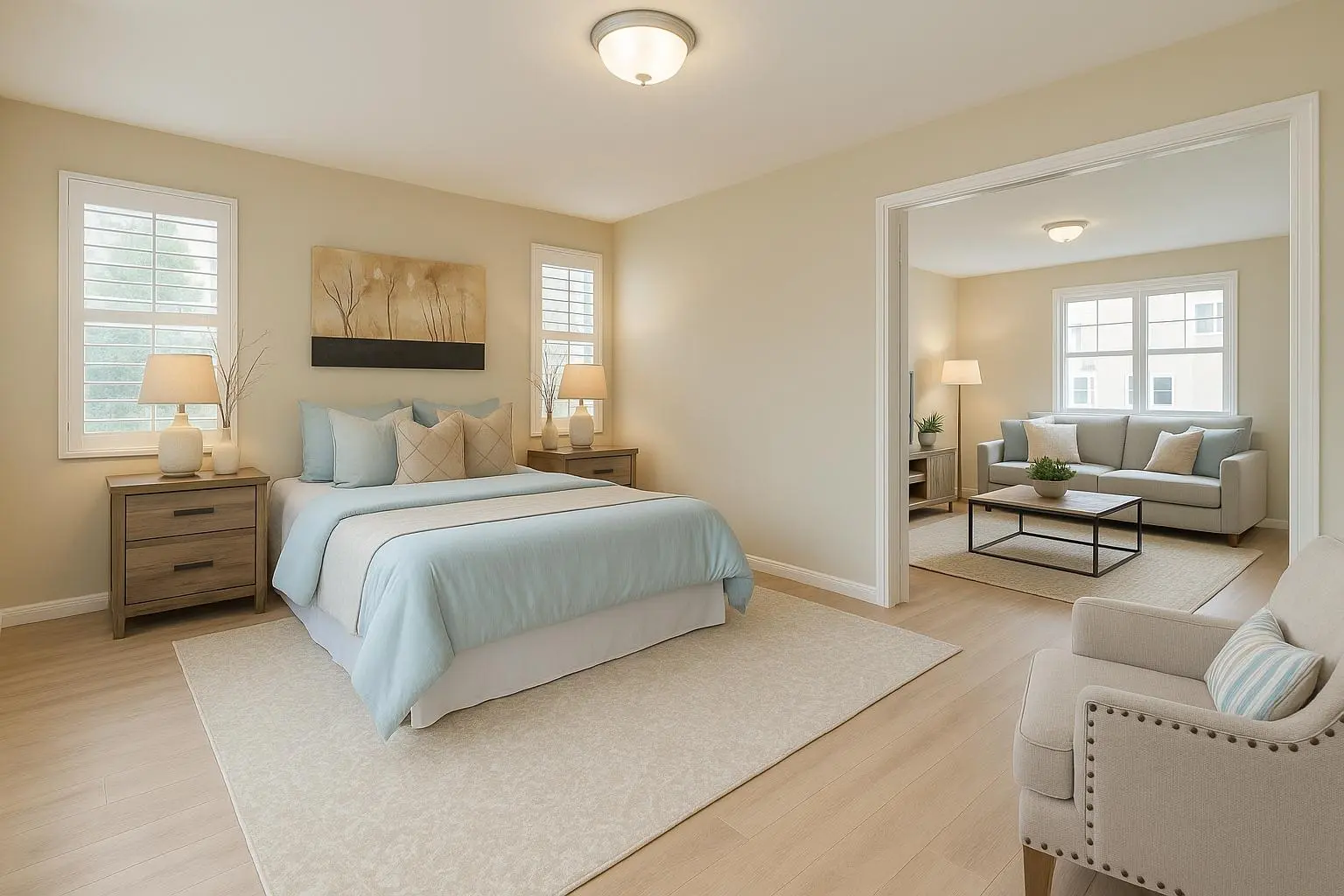
Example of 2-Bed Senior Apartments

Market Trends and Outlook
By 2025, the senior housing market will face a shortage of about 200,000 units amid rising demand. Financing conditions are expected to improve, encouraging development, especially in growth areas like the Pacific region. New 2-bedroom senior apartments feature spacious, accessible designs with community amenities for comfort and social engagement. In major cities, projects emphasize sustainability and modern, lifestyle-driven designs.
Eligibility, Application, and Community Design
Eligibility for senior apartments generally requires meeting age (usually 55+) and income criteria, with priority given to those with greater need. Applicants must verify age and income through documentation or HUD-approved self-certification and provide Social Security numbers or proof of immigration status. The application process involves review, interviews, and lease agreements upon approval.
Community layouts emphasize social design principles that foster belonging and engagement through diverse communal spaces, gardens, recreational areas, and restaurant-style dining. These features support both interaction and privacy, enhancing residents’ quality of life by balancing social opportunities with individual needs.
Comparison with Other Senior Living Options
Senior apartments differ from independent living communities, assisted living facilities, and CCRCs mainly in the level of services provided. They offer accessible, private housing without bundled amenities like meals or personal care. Independent living communities provide maintenance-free lifestyles with social and concierge services, assisted living adds support for daily activities and 24-hour supervision, and CCRCs offer a full continuum of care on one campus. Senior apartments suit active, self-sufficient seniors seeking affordable, age-tailored housing without extensive healthcare services.
| State | Avg. Monthly Rent (USD) |
|---|---|
| Arkansas | $901 |
| Missouri | $918 |
| South Dakota | $920 |
| Alabama | $924 |
| West Virginia | $927 |
| Kansas | $928 |
| Iowa | $938 |
| Nebraska | $938 |
| Oklahoma | $962 |
| North Dakota | $967 |
| Kentucky | $969 |
| Mississippi | $995 |
| Wyoming | $1,010 |
| Ohio | $1,014 |
| Illinois | $1,015 |
| New Mexico | $1,039 |
| Indiana | $1,042 |
| Michigan | $1,046 |
| Wisconsin | $1,052 |
| Louisiana | $1,054 |
| Minnesota | $1,081 |
| Texas | $1,109 |
| Montana | $1,116 |
| Tennessee | $1,120 |
| Idaho | $1,127 |
| South Carolina | $1,150 |
| Georgia | $1,151 |
| North Carolina | $1,158 |
| Pennsylvania | $1,158 |
| Utah | $1,187 |
| Maine | $1,206 |
| Virginia | $1,345 |
| Vermont | $1,350 |
| Oregon | $1,356 |
| Nevada | $1,360 |
| Colorado | $1,408 |
| Arizona | $1,431 |
| Washington | $1,441 |
| Florida | $1,446 |
| Alaska | $1,461 |
| New York | $1,465 |
| Delaware | $1,564 |
| New Hampshire | $1,575 |
| Rhode Island | $1,656 |
| Maryland | $1,716 |
| Connecticut | $1,732 |
| California | $1,955 |
| New Jersey | $1,973 |
| Massachusetts | $2,086 |
| Hawaii | $2,201 |
The content is provided by Sierra Knightley, Scopewires