Highlights
- Senior transportation services enhance seniors' independence and access to essential destinations.
- Innovations are transforming transportation for older adults, improving mobility and community engagement.
Overview of Senior Transportation Services
Senior transportation services address the unique mobility needs of older adults, particularly those facing physical, cognitive, or health-related limitations. With about 35% of individuals aged 70 and a majority of those over 85 experiencing mobility challenges, these services are essential for promoting independence and social inclusion while facilitating access to healthcare, grocery stores, and social activities. This growing demographic trend emphasizes the importance of tailored transportation solutions as a public health priority.
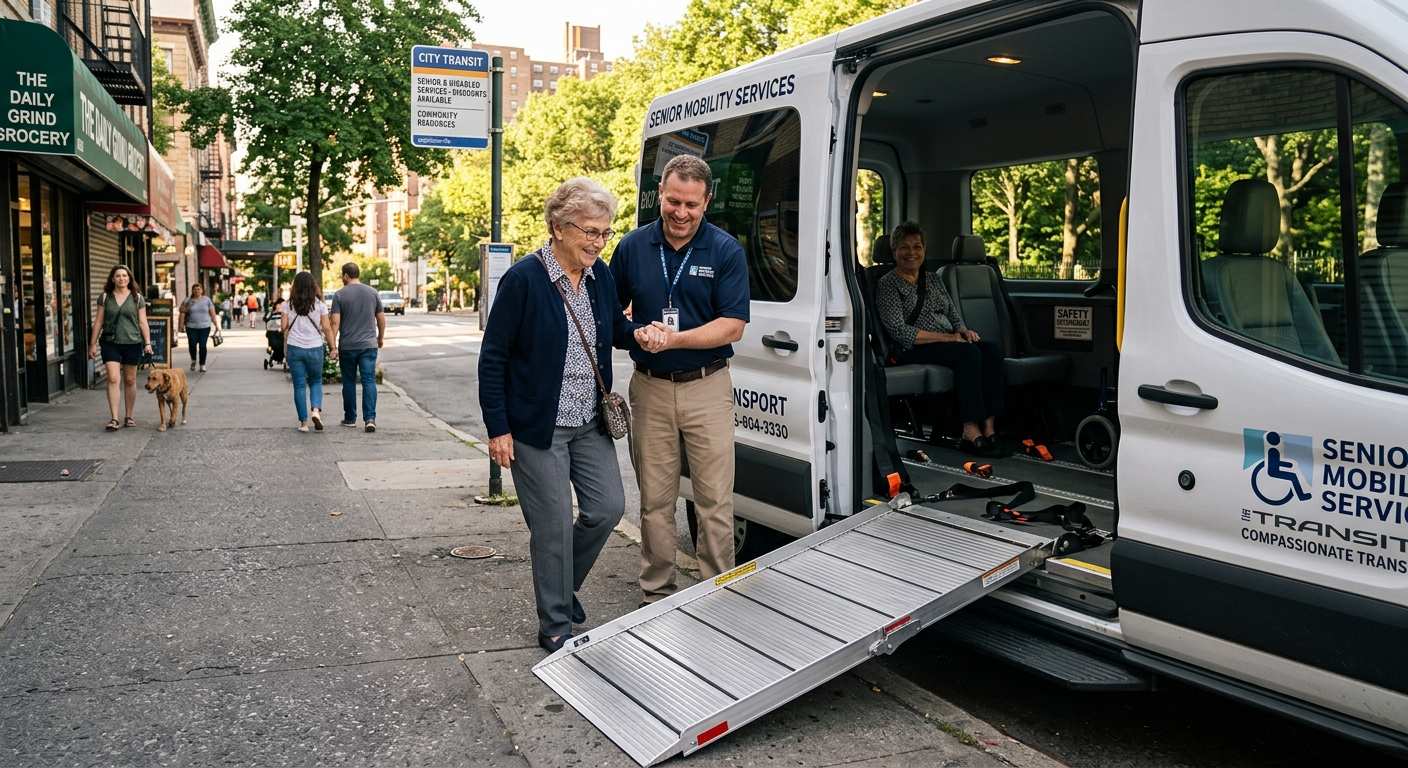
The array of options includes paratransit, non-emergency medical transportation (NEMT), public transit with senior discounts, as well as community-based volunteer programs and ride-hailing services. Many senior transport providers incorporate vital accessibility features such as ramps and trained personnel to assist with mobility challenges. The variability in eligibility criteria and booking procedures, based on disability assessments or geographic location, complicates access for older adults. Federal regulations, such as the Americans with Disabilities Act (ADA) and the Federal Transit Administration’s Section 5310 funding, establish frameworks that support accessibility but do not eliminate existing gaps in service availability and affordability, necessitating comprehensive policy advancements.
Key Types of Senior Transportation Services
Senior transportation encompasses various services designed to meet diverse mobility needs. Paratransit provides specialized door-to-door service for seniors unable to use traditional public transit due to disabilities. Typically subsidized and eligibility-based, paratransit requires users to access designated service areas, often creating logistical challenges.
Another critical option is Non-Emergency Medical Transportation (NEMT), designed for seniors needing safe transport to medical appointments. While essential for many low-income older adults, NEMT often involves pre-booking constraints and limited service hours. Public transit systems frequently offer senior fare discounts, promoting cost-effective travel. However, accessibility inconsistencies and physical demands associated with using these systems can hinder usability for older passengers.
Additionally, community-driven volunteer programs and ride-hailing platforms provide flexible alternatives. These options often include personalized assistance and have emerged as vital supplements to traditional transport services. However, while ride-hailing provides technological advantages and convenience, it may require familiarity with smart device applications that some seniors lack.
Challenges and Accessibility Considerations
Despite the importance of senior transportation services, challenges persist in ensuring equitable access. Geographic distance and adverse weather can complicate mobility for older adults. Moreover, service shortages and coordination failures often lead to social isolation and limited participation in necessary activities like healthcare and shopping. Inadequate resource allocation exacerbates these gaps, particularly in rural areas where transportation options are already limited.
Eligibility for services is influenced by age, disability status, and local geography, with diverse criteria across programs complicating access. The ADA mandates accessibility standards for transit services, yet many systems struggle to meet these requirements consistently. Adequate training for drivers in empathy and support for seniors is crucial to improve their travel experience. Infrastructure improvements, including well-maintained sidewalks and pedestrian pathways, further enhance accessibility by fostering safer travel environments.
Funding and Policy Frameworks
Funding for senior transportation in the U.S. is supported by federal, state, and local sources, with many initiatives aimed at enhancing accessibility and quality of service. The Federal Transit Administration’s Section 5310 program is fundamental in providing financial support to nonprofits that offer transportation solutions where existing options are inadequate. However, many federal programs are often restricted to specific service types, which can limit flexibility in addressing broader transportation needs.
Moreover, coordination among various funding sources is necessary to maximize transportation access, particularly in underserved areas. State and local governments play a pivotal role in disbursing these funds and adapting federally funded programs to local needs. Initiatives under the Older Americans Act ensure funding is allocated for senior transportation, reinforcing its importance in sustaining mobility and independence.
Future Directions in Senior Transportation
The transportation landscape for seniors is poised for evolution through technological advancements and strengthened infrastructure. Emerging trends such as Intelligent Transportation Systems (ITS) enhance efficiency in transit experiences and will be critical in accommodating the needs of older adults. Enhanced ride-hailing options designed for seniors and improvements in walkable infrastructure demonstrate a commitment to increasing mobility and safety.
Travel training programs will further assist older adults with cognitive impairments in navigating transit systems independently, fostering a sense of empowerment. National initiatives are ensuring that accessibility remains a priority, aiming to develop integrated transportation solutions that cater specifically to seniors. These combined efforts signal a move toward a more inclusive transportation ecosystem, aiming to improve the quality of life for older adults and ensure their continued engagement in community activities.
The content is provided by Jordan Fields, Scopewires