
Highlights
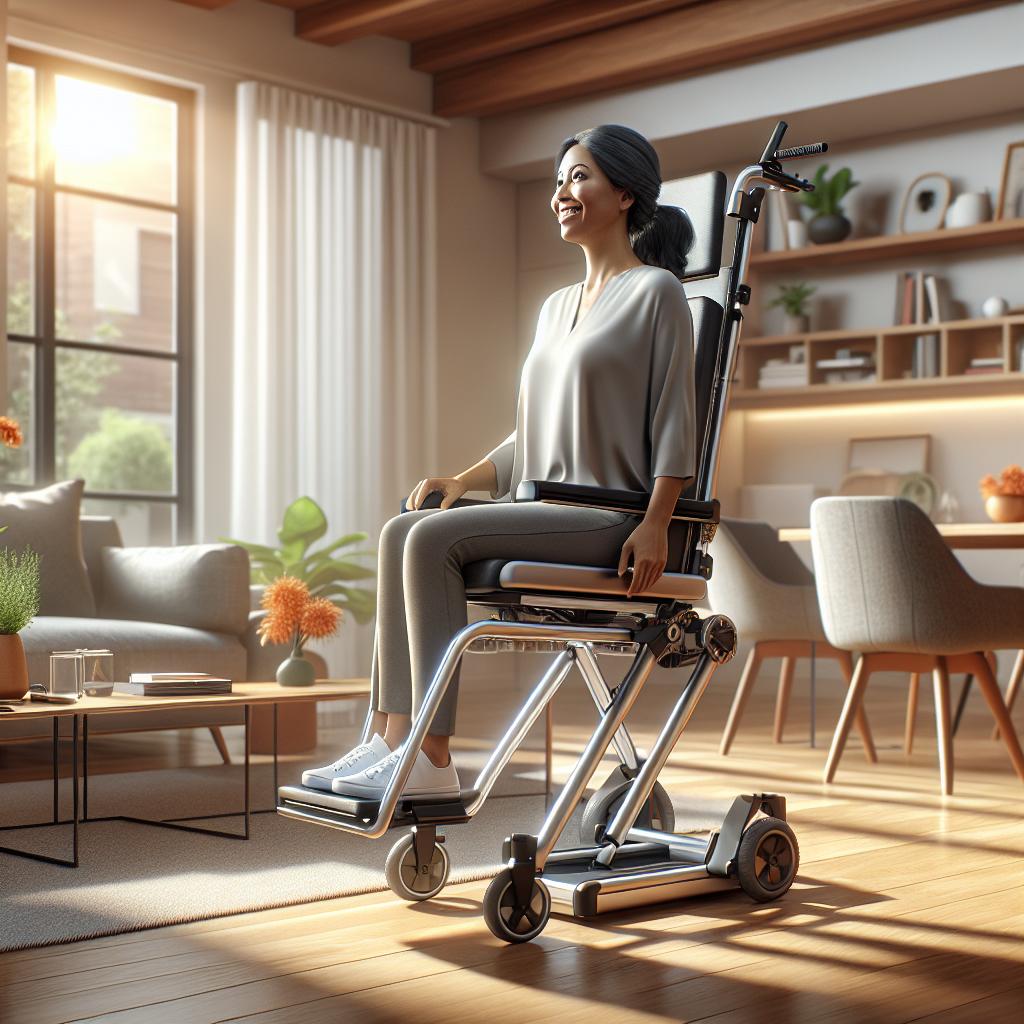
- Standing wheelchairs enhance health and independence by promoting mobility at eye level.
- Advanced technology innovations are revolutionizing standing wheelchairs for improved user autonomy and safety.
Overview and Definition
Standing wheelchairs enable users with physical impairments to safely transition from sitting to standing, improving circulation, muscle tone, bone density, and reducing complications like pressure sores. They enhance social interaction and independence by allowing eye-level engagement. These devices range from manual models with mechanical drives to fully powered electric versions with advanced features such as AI, sensors, and smart controllers, supporting diverse user needs.
History and Types
Wheelchairs evolved from basic manual designs to advanced electric and smart models, with standing wheelchairs emerging as a significant innovation. Manual standing wheelchairs use mechanical systems like chain drives for mobility and standing, while electric versions employ hydraulic lifts with adjustable supports and extended battery range. Designs include compact upright models and foldable frames for portability.
Design Features and Technological Innovations
Key design elements include foldable chassis, ergonomic seating, precise braking, and integration with communication devices. Advanced models use machine learning, gesture and brain-computer interfaces for intuitive control. Smart wheelchairs feature multi-sensor systems, Lidar, and IoT connectivity for autonomous navigation, health monitoring, and smart home integration. Lightweight materials and modular components enhance durability, customization, and portability.
Therapeutic Benefits and Clinical Impact
Standing wheelchairs promote muscle strength, bone density, circulation, and reduce spasticity and pressure sores. They also improve bowel and urinary functions. Psychologically, standing fosters social interaction, self-esteem, and independence. Clinically, these devices aid rehabilitation by supporting posture changes, muscle engagement, and enhancing quality of life, particularly for users with spinal cord injuries.
Usage and Safety
Proper use requires adherence to manufacturer guidelines, including locking wheels and safe transfer techniques. Standing wheelchairs increase independence but may reduce mobility due to added weight. Successful use depends on matching device features to user needs, addressing challenges like maneuverability and environmental barriers.
Challenges and Market Trends
Limitations include the weight of standing mechanisms, high costs, and difficulties navigating uneven terrains. Regulatory complexities also affect adoption. The market is growing, driven by innovation and demand for personalized, smart mobility solutions. China leads manufacturing, while startups advance assistive technologies, including devices capable of stair climbing and exoskeletons, highlighting a shift toward inclusive, adaptive mobility.
Future Directions
Emerging trends focus on IoT and AI integration for autonomous navigation, health monitoring, and smart home connectivity. New hardware like robotic arms and mechanized lifts improve functionality and comfort. Lightweight, sustainable materials and eco-friendly manufacturing are priorities. Collaborations and increased insurance support are facilitating access to advanced mobility aids, emphasizing user-centered design and enhanced independence.
The content is provided by Sierra Knightley, Scopewires


