
Highlights
- Early detection of diabetes symptoms is crucial for effective management and preventing complications.
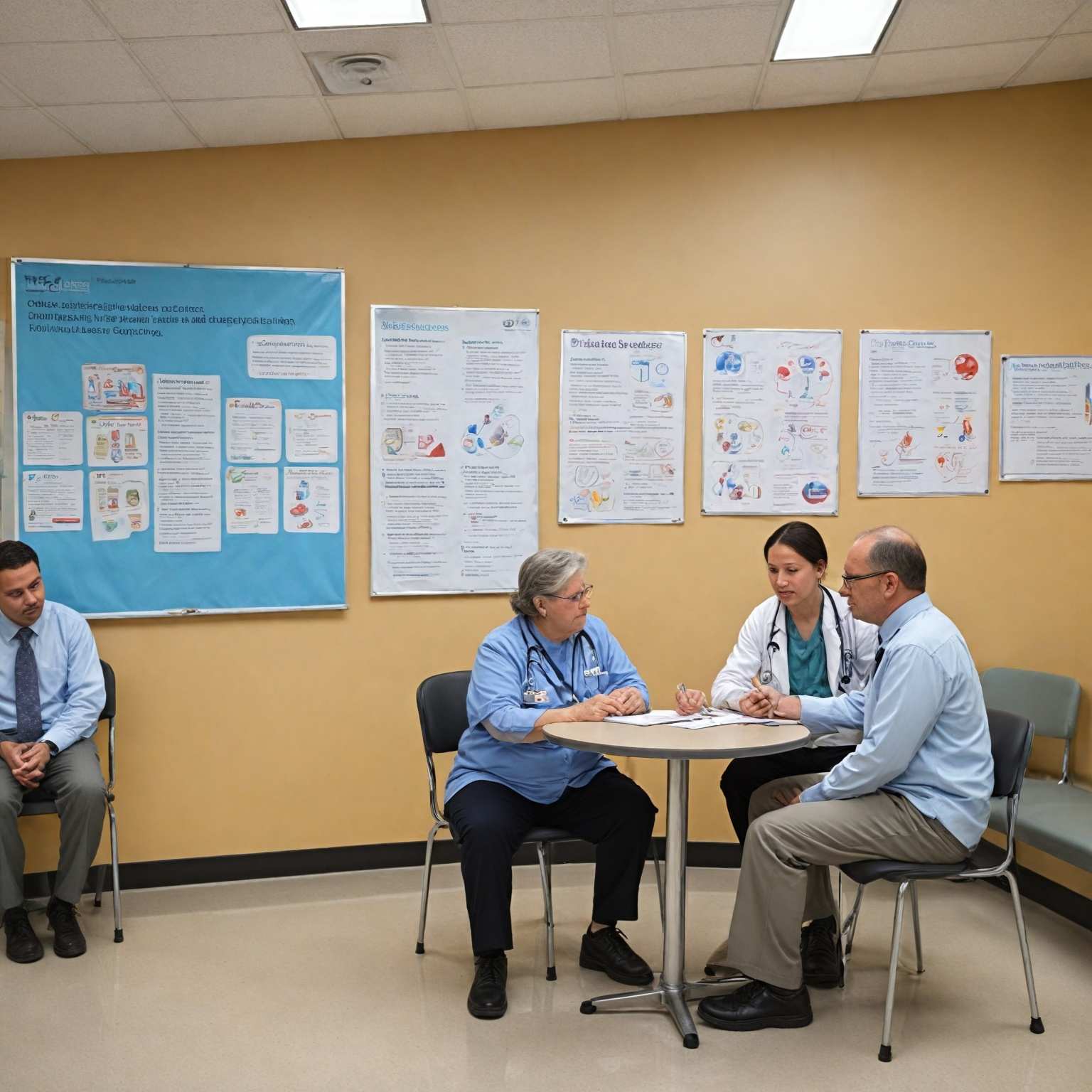
- Engaging in diabetes education can empower patients and improve overall health outcomes.
Summary of Diabetes Warning Signs and Importance of Early Detection
Diabetes is a chronic condition marked by high blood glucose due to insulin issues, affecting millions worldwide and causing serious complications like cardiovascular disease, nerve damage, kidney failure, and vision loss. Early symptoms include increased thirst, frequent urination, unexplained weight loss, fatigue, and slow-healing wounds. Recognizing these signs promptly is vital for diagnosis and management to prevent long-term harm.
The main types are type 1, type 2, and gestational diabetes, each with different symptom patterns and progression rates. Type 1 develops rapidly requiring immediate insulin, type 2 progresses slowly and often unnoticed, and gestational diabetes occurs in pregnancy, usually without clear symptoms. Barriers such as healthcare access and social factors can delay diagnosis, highlighting the need for public education and awareness.
Early Warning Signs and Differences Among Diabetes Types
Common early signs across diabetes types include excessive thirst, frequent urination, fatigue, increased hunger, unexplained weight loss, skin changes, infections, blurry vision, and slow wound healing. Type 1 diabetes symptoms appear suddenly and severely, while type 2 symptoms develop gradually and may be mild. Gestational diabetes typically lacks symptoms and is detected via screening during pregnancy. Awareness of these signs is key to timely intervention.
Physiological Basis of Early Symptoms
Early symptoms arise because insulin dysfunction leads to high blood sugar (hyperglycemia). Excess glucose is excreted by the kidneys, causing increased urination and dehydration, which triggers thirst. This cycle can worsen dehydration and fatigue. Prolonged high blood sugar damages blood vessels and nerves, contributing to serious complications. Understanding these mechanisms emphasizes the need to recognize early symptoms and seek treatment.
Diagnosis and Challenges in Early Detection
Diabetes diagnosis relies on blood glucose tests like fasting plasma glucose, oral glucose tolerance, and A1C. The A1C test has high specificity but lower sensitivity, so additional testing may be needed if suspicion remains despite normal A1C. Atypical diabetes forms require tailored diagnostic approaches. Barriers to early diagnosis include healthcare system gaps, poor patient-provider communication, mental health issues, social inequities, and financial constraints, especially affecting marginalized populations.
Prevention, Management, and When to Seek Medical Attention
Early detection improves treatment effectiveness and reduces complications. Lifestyle changes—such as weight loss, healthy diet, and exercise—are key preventive measures, especially for those with prediabetes. Patient education and empowerment facilitate better self-management and outcomes. Routine screening is recommended, particularly for at-risk individuals, with various tests covered by insurance. Prompt medical consultation upon noticing symptoms or risk factors is essential for timely care.
Complications of Untreated or Late-Diagnosed Diabetes
Without timely treatment, diabetes can cause severe complications including cardiovascular disease, nerve damage, infections, and acute events like hypoglycemia requiring emergency care. Delayed diagnosis increases the risk of these outcomes. Early management with medications, lifestyle changes, and monitoring is critical to prevent or reduce long-term damage and improve quality of life.
The content is provided by Blake Sterling, Scopewires


