
Highlights
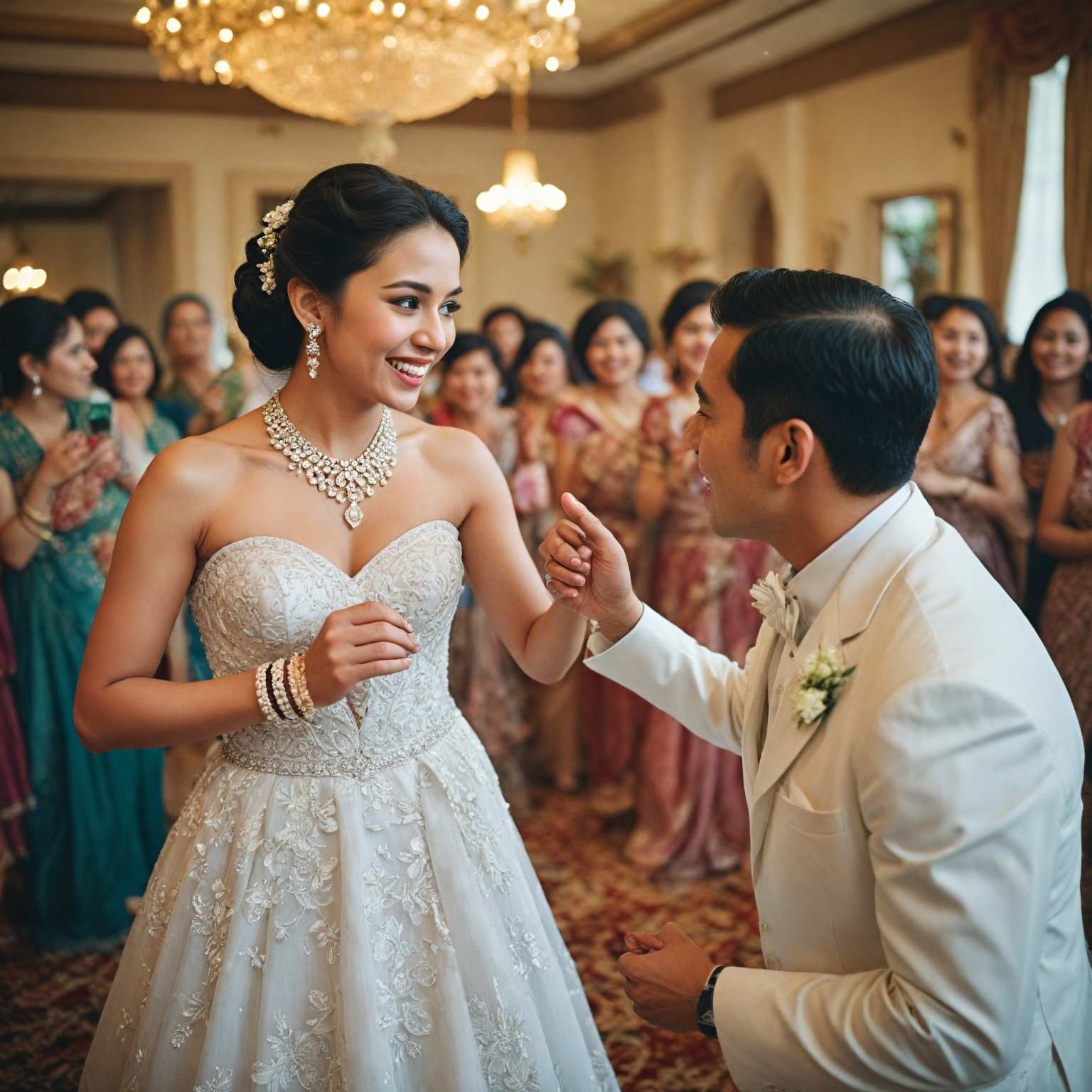
- Wedding photos serve as enduring artifacts that connect couples and loved ones to the joy, love, and cultural heritage of the wedding day, capturing intimate moments and spontaneous interactions that reflect genuine emotional expression.
- Technological advancements and cultural diversity have enriched wedding photography, allowing for the documentation of diverse traditions and emotional expressions worldwide, enhancing the storytelling potential and preserving personal and collective memories.
- Wedding photos engage psychological and neurobiological processes, activating brain regions involved in emotional arousal and memory consolidation, making them powerful tools for enhancing memory retention and emotional reprocessing, ultimately evoking strong emotional responses and serving as vital elements of autobiographical memory.
- Explore our offers to have your special day immortalized in stunning photographs that capture the essence and emotions of your wedding!
Summary
The emotional power of wedding photos lies in their unique ability to preserve memories and capture the authentic feelings experienced during one of life’s most significant events. Wedding photography has evolved from formal, posed studio portraits in the early 20th century to a dynamic blend of candid and traditional styles that reflect both cultural richness and genuine emotional expression. By documenting intimate moments, rituals, and spontaneous interactions, these images serve as enduring artifacts that connect couples and their loved ones to the joy, love, and cultural heritage of the wedding day.
Advancements in technology, such as the introduction of portable cameras in the 1930s and the later shift to digital photography, have transformed the art and practice of wedding photography, enabling photographers to capture more natural and emotionally resonant moments with greater flexibility and immediacy. Alongside technical progress, cultural diversity shapes the visual narrative of weddings worldwide, with photographers capturing traditions and emotional expressions that vary significantly across different communities. This interplay of technology and culture enriches the storytelling potential of wedding photography, making it a vital element in preserving personal and collective memories.
Beyond their aesthetic appeal, wedding photos engage complex psychological and neurobiological processes that enhance memory retention and emotional reprocessing. Viewing these images activates brain regions involved in emotional arousal and memory consolidation, such as the amygdala and hippocampus, which helps individuals vividly recall the emotions and details of the event over time. This neuropsychological impact underscores why wedding photographs often evoke strong emotional responses and serve as powerful tools for autobiographical memory.
Despite its celebrated role, wedding photography faces challenges including ethical concerns over image authenticity, cultural appropriation, and the psychological effects of manipulating emotional content. Photographers must navigate these issues thoughtfully to maintain trust and respect, ensuring that their work honors both the truth of the moment and the cultural significance of the wedding. Ultimately, the emotional power of wedding photos lies in their capacity to capture and preserve the profound human experiences that define this milestone occasion.
Historical Context
Wedding photography has experienced a significant evolution since its inception, shaped by advancements in technology, cultural shifts, and changing societal attitudes. In the early 20th century, wedding photography was primarily characterized by formal, posed portraits taken in studios. These images were often stiff and lacked the spontaneous joy and emotional depth that weddings embody. Photographers relied heavily on bulky equipment and controlled lighting, which limited their ability to capture candid moments on location.
The 1930s marked a turning point with the introduction of smaller, more portable cameras, such as the Leica 35mm rangefinder. This technological innovation empowered photographers to move beyond the studio and document weddings with greater spontaneity and discretion. As a result, a new style emerged—wedding photojournalism or documentary photography—where genuine moments were captured as they unfolded, reflecting the authentic emotions and atmosphere of the event. This shift allowed photographers to blend into the background and capture the essence of the day in a more natural and compelling way.
During the film era, particularly in the 1970s, wedding photographers favored color negative film and medium-format cameras like Hasselblad, which enhanced image quality and allowed for more creative expression. Over time, clients began to desire a blend of both traditional posed shots and candid photography, leading to a hybrid style that combines the glamour of classic portraits with the authenticity of spontaneous moments.
The evolution of wedding photography is not solely a technical story but also one deeply intertwined with cultural practices and societal trends. In culturally rich weddings, such as those in Pakistani, Afghan, and Muslim communities, candid photography plays a vital role in capturing vibrant traditions and emotions—from the playful stealing of the groom’s shoes to the intricate henna designs on the bride’s hands—offering a vivid tapestry of the celebration. This approach resonates emotionally with viewers, fostering a sense of trust and comfort between the photographer and subjects, and preserving memories in a way that staged portraits often cannot.
More recently, global events such as the COVID-19 pandemic have further influenced wedding photography by forcing adaptations to new formats and smaller gatherings, emphasizing flexibility and creativity in capturing meaningful moments under challenging circumstances. Throughout its history, wedding photography has continuously reflected broader cultural and technological changes, evolving from rigid studio portraits to dynamic storytelling that preserves the emotional power of one of life’s most significant days.
Emotional Significance
Wedding photographs hold profound emotional significance, serving not merely as visual records but as vessels that capture and preserve the genuine feelings experienced during one of life’s most meaningful events. Through a combination of posed and candid imagery, these photos reveal a complex emotional landscape—from overt expressions of joy and happiness to subtler displays of affection and shared sentiment. The interplay of these emotions creates a narrative that resonates deeply with both the couple and viewers, often eliciting powerful memories and empathetic responses.
The art of visual storytelling in wedding photography is essential to this emotional impact. By carefully employing composition, lighting, and subject matter, photographers convey the unique story of a couple’s love and commitment, transforming individual moments into a cohesive and evocative narrative. Authentic, candid moments, in particular, foster a sense of trust and comfort between the subjects and the photographer, enabling the capture of genuine emotions that reflect the true essence of the relationship. Such authenticity often resonates more deeply with viewers than staged portraits, enhancing the emotional connection and facilitating reprocessing of memories.
Psychologically, the presence of wedding photographs supports autobiographical memory by allowing individuals to relive and re-experience the emotional intensity of the event. Emotional stimuli in images not only facilitate the processing of emotionally charged details but also contribute to the durability and vividness of these memories over time. This emotional resonance is culturally influenced as well, with different cultural groups recalling autobiographical events in varying levels of detail and emotional specificity.
Ultimately, wedding photos do more than document a day; they encapsulate a couple’s unique journey, helping them and their loved ones remain connected to the joy, love, and celebration shared. By preserving these emotional moments, wedding photography offers an enduring gift—a timeless artifact that stirs feelings and memories, enabling couples to relive their special day across a lifetime.
Psychological and Neurobiological Impact
Wedding photos evoke profound emotional responses that significantly influence memory processes. These images often trigger subtle emotional cues that lead to sustained emotional engagement, as the brain actively works to “complete the story” behind the captured moments. This emotional connection fosters a sense of insider perspective rather than mere observation, which explains why people often experience strong feelings, including tears, when viewing their wedding galleries. Such emotional reprocessing enhances the vividness and longevity of these memories.
From a neurobiological standpoint, the amygdala plays a central role in modulating the consolidation of emotionally charged memories. It cooperates with the prefrontal cortex and hippocampus in an integrated network where the amygdala modulates memory consolidation, the prefrontal cortex mediates memory encoding and formation, and the hippocampus supports successful learning and long-term memory retention. Emotionally arousing stimuli, like wedding photos, activate the amygdala, which in turn enhances attention to salient details and facilitates memory encoding. This process is supported by the release of adrenal stress hormones and activation of β-noradrenergic receptors in the basolateral amygdala (BLA), promoting stronger consolidation of these emotional memories.
The interplay between emotional arousal and memory also involves attentional biases. Emotional stimuli narrow attention toward relevant features of the scene, improving memory for central details while sometimes impairing peripheral information processing. Interestingly, damage to the amygdala selectively impairs memory for the gist of emotional scenes but may leave memory for peripheral details intact or even enhanced, highlighting the nuanced role of this structure in emotional memory encoding.
Visual stimuli such as photographs benefit from the “picture superiority effect,” whereby images are more easily remembered than words due to their strong emotional and perceptual impact. This effect underscores why wedding photos are particularly powerful in reinforcing memories by linking visual and emotional content. Additionally, the brain’s mirroring of facial expressions and emotional content within these photos facilitates emotional contagion, further strengthening memory retention and emotional resonance.
Cultural factors also influence how memories associated with emotionally significant events like weddings are encoded and recalled. For instance, Western cultures tend to remember more specific details of autobiographical events, whereas Eastern cultures recall more general information about events. These differences in memory specificity and attentional focus may affect how wedding memories are experienced and preserved across cultures.
In sum, wedding photos engage a complex network of psychological and neurobiological mechanisms that enhance the emotional power and durability of the memories they preserve. This integration of emotional arousal, attentional focus, and cultural context facilitates vivid, enduring recollections that remain deeply meaningful to individuals over time.
Cultural Perspectives
Wedding photography is deeply intertwined with cultural values, norms, and emotional expression, making it a rich site for exploring how different societies experience and commemorate marital celebrations. Across cultures, the ways emotions are expressed and displayed during weddings vary significantly, influenced by cultural display rules that govern socially acceptable emotional behavior. For example, in the United States, it is common and acceptable to openly express negative emotions such as fear, anger, or disgust both privately and publicly during emotional moments, whereas in Japan, such expressions tend to be reserved for private settings. Collectivist cultures often encourage emotional suppression in order to evaluate and choose the most appropriate response within the social context, highlighting the culturally distinctive nature of emotional displays even when physiological responses remain similar.
The rituals and ceremonies captured in wedding photography are not only visual representations but also reflections of deep cultural heritage and identity. Elaborate multi-day celebrations in Indian weddings, or the vibrant customs of Pakistani, Afghan, and Muslim weddings, embed rich symbolism and tradition that shape the visual narrative of the event. Each cultural ritual—from exchanging garlands to signing marriage contracts—encapsulates the couple’s heritage and the blessings of their families, shaping how the wedding day is experienced and remembered.
At the same time, the growing awareness of cultural sensitivity in wedding planning and photography emphasizes the importance of honoring authentic traditions without appropriating or superficially adopting elements from marginalized cultures. In a globally connected industry, understanding and respecting cultural origins is crucial for helping couples create meaningful celebrations that truly reflect their backgrounds.
Emotionally charged wedding photographs serve as powerful conduits for cultural memory and emotional connection. They reveal a spectrum of feelings—from overt joy to subtle shared sentiments—that resonate with both the subjects and viewers, influencing public perception and the cultural narratives surrounding marriage. The interplay between posed and candid moments within culturally grounded contexts not only documents but also actively shapes how weddings are remembered across generations.
Techniques in Wedding Photography
Wedding photography employs a variety of techniques designed to capture the emotional depth and significance of the day while preserving timeless memories. One fundamental approach is to take numerous photos without immediately deleting any, allowing for a more thorough evaluation later to select the most meaningful images. Photographers are encouraged to experiment with different angles beyond the typical eye-level shots to add creativity and dynamism to the collection.
The style of photography often shifts throughout the day to reflect different moods and moments. For example, the morning may focus on carefully posed portraits of the bride and groom in traditional attire, while the reception transitions to a more documentary style, capturing spontaneous interactions among guests. This combination not only showcases the cultural elements of the wedding but also highlights the authentic emotions and atmosphere of the event.
Candid photography plays a crucial role in revealing genuine emotions and unposed moments that reflect the true spirit of the celebration. Unlike posed shots, candid images capture raw, unfiltered emotions that resonate deeply with viewers, creating a narrative that feels authentic and spontaneous. This approach helps foster trust and comfort between the photographer and the subjects, enhancing the emotional quality of the photographs.
Understanding the wedding day timeline is essential for photographers to position themselves strategically, ensuring they capture key moments without interrupting the flow of the event. Skillful use of natural light further enhances the emotional tone of images, with photographers adapting to challenging lighting conditions by seeking shade or placing the sun behind the subjects to avoid harsh contrasts.
Technical preparedness is also vital. Photographers are advised to label all equipment, arrive early, charge extra batteries in advance, and use dual memory cards to prevent data loss. Additionally, giving thoughtful attention to moments such as the “First Look” — traditionally viewed as a logistical necessity — can transform it into an emotionally rich experience that yields powerful, intimate photographs.
Technological Advances
The evolution of wedding photography has been profoundly shaped by technological advancements, transforming the way photographers capture and preserve emotional moments. Initially dominated by film cameras, wedding photography required careful composition and technical expertise, as photographers could not instantly review their shots. The introduction of digital cameras revolutionized the industry by allowing immediate image review, greater flexibility, and more opportunities to capture candid moments.
In the 1930s, the development of smaller, more portable cameras such as the Leica 35mm rangefinder enabled photographers to work more discreetly and quickly. This innovation facilitated the rise of photojournalistic wedding photography, emphasizing spontaneous and genuine emotions rather than staged portraits. Advances in camera technology, including improved low-light performance and faster shutter speeds, further enhanced the ability to document fleeting expressions and moments, enriching the storytelling aspect of wedding photography.
Beyond in-camera improvements, post-processing techniques have become integral to enhancing the emotional impact of wedding images. Photographers use editing tools to adjust color, contrast, and exposure, thereby amplifying the mood and emotional tone of their photos. For example, increasing the saturation of warm colors in a sunset scene can heighten the romantic atmosphere, strengthening the viewer’s emotional connection to the image.
Together, these technological advances—from portable cameras and digital imaging to sophisticated editing—have empowered photographers to capture raw emotions and create immersive, memorable wedding photographs that resonate deeply with both subjects and viewers.
Common Subjects and Moments Captured
Wedding photography captures a wide array of subjects and moments that collectively narrate the story of the couple’s special day. These moments range from traditional rituals and cultural ceremonies to spontaneous emotional interactions that reveal the essence of the celebration. Commonly featured subjects include the exchange of symbolic items such as garlands, unity candles, or marriage contracts, each carrying deep cultural and familial significance that reflects the heritage and blessings surrounding the union.
Beyond the formal rituals, photographers focus on key events that encapsulate the emotional core of the day, such as the couple’s first look, first dance, and candid interactions among family and friends. These moments are essential for capturing the joy, love, and tears of happiness that define the wedding experience. The interplay between posed portraits and candid shots reveals a complex emotional landscape, where subtle gestures and expressions convey affection and shared sentiment, enriching the visual narrative of the event.
In culturally rich weddings, especially within Pakistani, Afghan, and Muslim communities, candid photography plays a crucial role in documenting vibrant traditions such as the playful stealing of the groom’s shoes, the emotional Walima ceremony, and the intricate henna designs on the bride’s hands. These authentic moments help the viewer feel like an insider, engaging more deeply with the event’s emotional resonance and cultural context.
Photographers who emphasize candid shots facilitate genuine emotional expressions, fostering trust and comfort between themselves and the subjects. This approach enhances the storytelling by capturing spontaneous interactions that often evoke powerful feelings and vivid memories in both the subjects and viewers. Ultimately, these captured moments serve not only as visual records but as emotional touchstones that preserve the love, commitment, and cultural richness of the wedding day for future reflection.
Role in Modern Weddings
Wedding photography plays a pivotal role in contemporary wedding celebrations by capturing the emotional essence and cultural significance of the event. It goes beyond simply documenting the ceremony to narrating the couple’s unique love story and the joining of two families, preserving moments of joy and commitment that resonate for generations. Modern wedding photographers skillfully encapsulate the happiness, anticipation, and intimate interactions throughout the day—from the bride and groom’s preparations to the exchange of vows—ensuring that the depth of emotions and familial blessings are vividly remembered.
The evolution of wedding photography reflects both technological advancements and shifting societal attitudes. Early wedding photos were typically formal and posed,
Criticisms and Challenges
Wedding photography, while celebrated for its emotional storytelling and preservation of memories, faces several criticisms and challenges that impact its practice and reception. One major concern is the ethical balance between enhancing images for emotional effect and maintaining their authenticity. Over-editing or altering photographs to the extent that they no longer accurately represent the scene or the emotions of the subjects can be deceptive and potentially harmful, undermining the integrity of the memories being preserved. Photographers must therefore strive to enhance the emotional impact of their images without compromising their truthful representation.
Another challenge lies in the complex interplay between photographic content and emotional memory. Photographic details, especially when manipulated or presented out of context, can distort memory through misleading post-event information. For example, studies have shown that viewing certain photographs can reduce the accuracy of eyewitness identification, suggesting that images can influence cognitive recall in unintended ways. This highlights the delicate role that wedding photographs play in not only evoking but also shaping memories.
Cultural considerations present further challenges for wedding photographers in an increasingly globalized and socially-conscious industry. The rise in cultural exchange has brought excitement and diversity to wedding aesthetics; however, it also raises concerns about cultural appropriation. Photographers and industry professionals must navigate the fine line between celebrating diverse traditions and inadvertently exploiting or misrepresenting marginalized cultures. Educating oneself on cultural appropriation and supporting couples in planning weddings that honor their own traditions respectfully is essential to fostering inclusivity and authenticity in wedding photography.
Finally, the inherently emotional nature of wedding photography requires sensitivity to the psychological effects on both the subjects and the viewers. Candid photography, praised for its authenticity and emotional resonance, depends heavily on the trust and comfort established between the photographer and the couple. Achieving this connection demands skill and reflection, underscoring the ongoing need for photographers to refine their techniques to create images that truly capture the essence of the moment without manipulation or artificiality.
These criticisms and challenges highlight the complex responsibilities faced by wedding photographers, emphasizing the importance of ethical practices, cultural awareness, and psychological insight in the art of preserving memories through emotionally powerful images.
The content is provided by Jordan Fields, Scopewires


