
Highlights
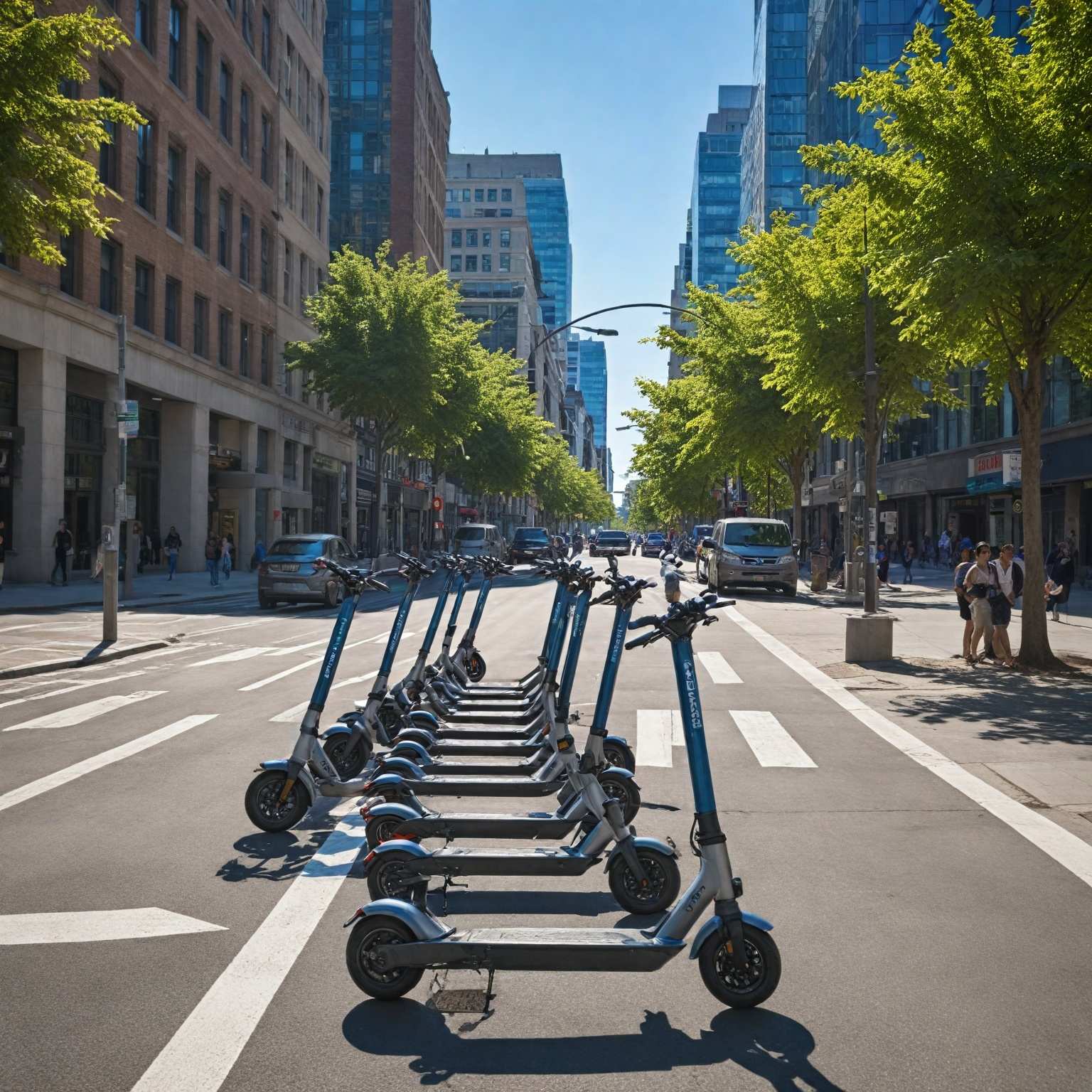
- Electric scooters are transforming urban commutes with eco-friendly and flexible transportation options.
- Technological advancements enhance scooter safety and performance, making them essential for future mobility.
Summary
The Future of Urban Mobility Scooters in 2025 highlights electric scooters as a key part of urban transport, addressing congestion and pollution by improving first- and last-mile connectivity. Technological advances in batteries, AI, and connectivity are enhancing range, safety, and integration with public transit. Despite regulatory and environmental challenges, scooters are evolving with sustainable manufacturing and infrastructure adaptations, positioning them as vital to future urban mobility.
History, Types, and Design Trends
Electric scooters have evolved from bulky, limited-range models to lightweight, durable devices popularized by companies like Bird and Lime. By 2025, scooter types include foldable commuter models, high-performance versions with advanced connectivity, hybrid e-bike variants, and shared micromobility fleets. Design trends emphasize portability, safety features like AI collision detection, and sustainable materials, alongside app integration for better user experience.
Technological Innovations
Battery technology is advancing with solid-state, graphene, and hydrogen fuel cells offering longer ranges and faster charging. Smart connectivity and AI enable real-time diagnostics, optimized routing, and predictive maintenance. Safety is enhanced through regenerative braking, LED lighting, and collision detection. Eco-friendly designs focus on recyclable materials, energy-efficient motors, and customizable ride modes.
Regulatory Environment and Infrastructure Integration
Regulations vary widely, with cities like New York proposing scooter registration laws to improve safety. Local rules dictate riding areas, speed limits, and curfews to balance accessibility and pedestrian safety. Urban infrastructure is adapting by linking scooters with public transit, creating mobility hubs, and designating scooter-friendly zones, supporting environmental goals by reducing congestion and emissions.
Impact on Urban Transportation and Market Trends
Electric scooters complement public transit by addressing short-distance travel, enhancing accessibility, and reducing environmental impact when sustainably managed. The market is growing rapidly, driven by consumer demand for lightweight, foldable, and connected scooters. Leading brands expand offerings with high-performance and eco-friendly models, while sustainability and smart features become standard expectations.
Challenges and Sustainability Initiatives
Safety concerns, regulatory fragmentation, sidewalk clutter, and environmental impacts pose ongoing challenges. Efforts to improve battery recycling, circular economy practices, and renewable energy use aim to reduce ecological footprints. Data privacy and equitable access issues arise with smart connectivity, requiring careful policy and infrastructure planning.
Future Prospects
Advancements in battery technology and IoT integration will enhance scooter performance, safety, and user experience. Lightweight, foldable, and high-performance models will grow in popularity, supported by evolving infrastructure and regulations that promote sustainable, inclusive urban mobility. The shift toward zero-emission transportation is expected to accelerate, solidifying electric scooters’ role in future cities.
The content is provided by Blake Sterling, Scopewires


