
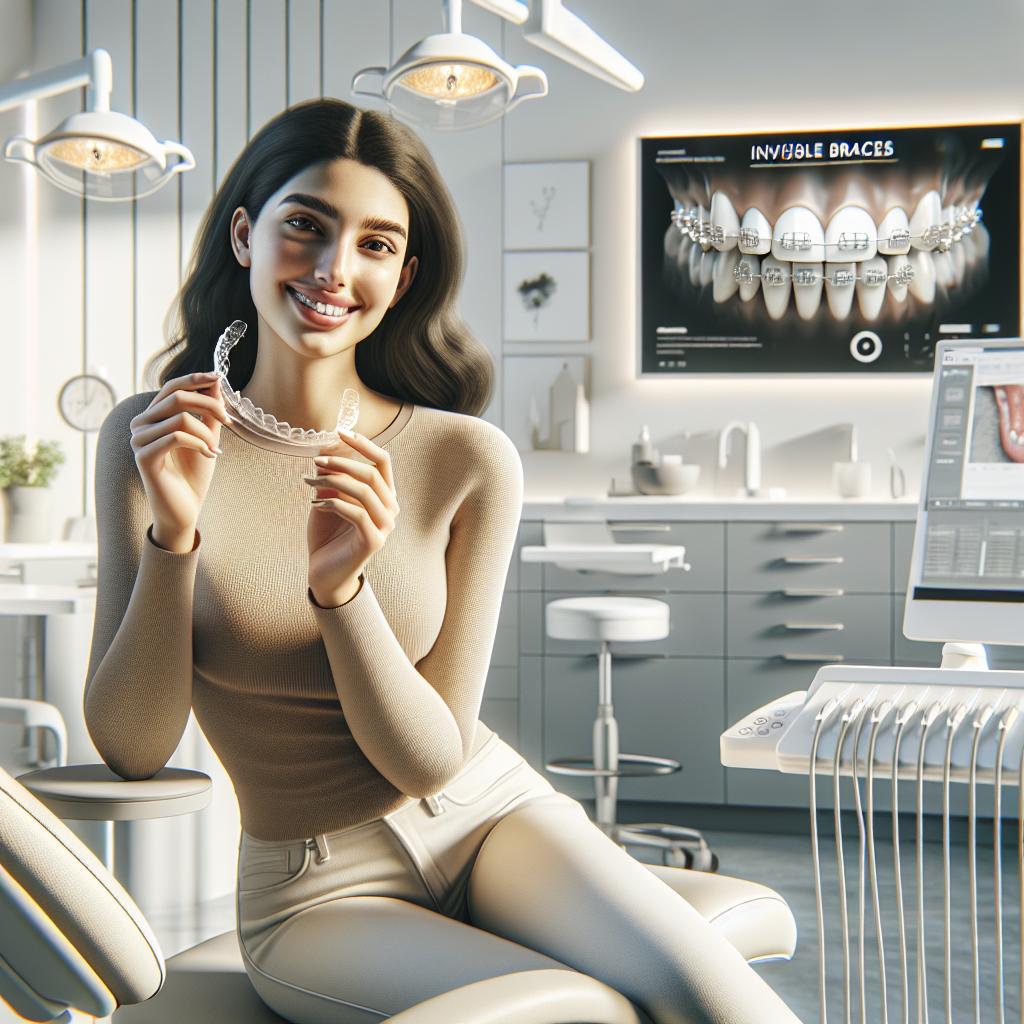
Highlights
- Invisible braces revolutionize orthodontics by combining aesthetic appeal with advanced technology.
- Demand for invisible braces grows due to their effectiveness and the pursuit of discreet dental solutions.
Summary and History
Invisible braces, including clear aligners, ceramic, and lingual braces, offer discreet alternatives to traditional metal braces. Since their late 20th-century origins, advancements in materials like NASA-developed polycrystalline alumina and digital technologies such as CAD/CAM and 3D printing have enabled effective, nearly invisible orthodontic treatments. Invisalign, launched in 1997, popularized custom clear aligners, improving convenience and aesthetics. These braces suit mild to moderate issues but require patient compliance and are less effective for complex cases. Their rising popularity is driven by psychological benefits, celebrity endorsements, and social media influence, with ongoing innovations promising greater customization and accessibility.
Types and Materials
Invisible braces include clear aligners, ceramic braces, and lingual braces. Clear aligners are transparent, removable trays applying gentle pressure to move teeth gradually. Ceramic braces use tooth-colored materials to reduce visibility, while lingual braces attach behind teeth for complete invisibility but may cause initial discomfort. Manufacturing involves intraoral scanning, 3D printing, and thermoforming or direct 3D printing of biocompatible resins. Modern materials like Zendura FLX offer improved flexibility, durability, and transparency, enhancing comfort and treatment outcomes.
Biomechanics and Clinical Use
Clear aligners apply gentle, multi-directional push forces by fully encasing teeth, guided by detailed digital treatment plans. They effectively manage mild to moderate tooth movements but struggle with complex corrections like molar uprighting or severe rotations. Adjunct devices can improve outcomes in difficult cases. Aligners prioritize patient comfort and oral hygiene but require strict wear compliance. They are primarily recommended for adults and teens with less severe orthodontic issues, while traditional braces remain preferable for complex cases.
Treatment Process and Patient Experience
Treatment starts with an orthodontic evaluation and digital scans, followed by CAD/CAM-designed custom aligners worn for about 20-22 hours daily. Advances in AI and machine learning support treatment planning and monitoring, enhancing precision and compliance. After active treatment, retainers help maintain results. Invisible braces appeal especially to teens and adults valuing aesthetics and comfort, influenced by cultural trends and social media. However, noncompliance remains a significant challenge affecting effectiveness.
Psychological Impact and Comparison with Traditional Braces
Invisible braces boost self-confidence by improving appearance discreetly, reducing stigma and encouraging treatment adherence. Compared to traditional metal braces, they offer greater comfort, better oral hygiene, and aesthetics but are limited in treating severe orthodontic issues. Costs tend to be higher for invisible options, though insurance often provides similar coverage. Their growing popularity stems from aesthetic preference amplified by celebrity endorsements and social media exposure.
Market and Future Developments
The invisible braces market is rapidly expanding, with global revenues projected to exceed $30 billion by 2030, driven by demand in regions like East Asia. Leading brands like Invisalign and innovations such as 3M’s Clarity Aligners Flex + Force system enhance treatment customization. Advances in CAD/CAM, 3D imaging, biocompatible materials, and AI are refining treatment precision and automation. AI applications in diagnosis and planning promise more personalized, efficient care. These trends suggest invisible braces will become increasingly accessible and preferred worldwide.
The content is provided by Avery Redwood, Scopewires


