
Highlights
- Deep carpet cleaning significantly improves indoor air quality, benefiting allergy sufferers.
- Professional cleaning techniques provide deeper results and extend carpet lifespan effectively.
Summary and Health Impacts of Carpet Pollutants
Carpets trap allergens such as dust mites, pet dander, mold spores, pollen, and chemical residues, which can worsen allergies, asthma, and respiratory issues. Deep carpet cleaning methods like hot water extraction (steam cleaning) and low-moisture treatments remove embedded contaminants, improving indoor air quality and extending carpet life. Regular vacuuming with HEPA filters and professional cleaning every 6 to 18 months are recommended to maintain these benefits. In severe allergy cases, replacing carpets with hard flooring may be advised. Carpets’ ability to harbor pollutants can trigger symptoms including allergic rhinitis, asthma exacerbations, and fatigue, emphasizing the need for thorough cleaning to reduce health risks.
Common Allergens in Carpets
High-pile and older carpets often harbor dust mites, pet dander, mold, pollen, pesticides, and dirt. Moisture retention can promote mold growth beneath the carpet surface, further impairing air quality. Carpets retain allergens more persistently than other fabrics, making allergen removal challenging without regular maintenance. Vacuuming with HEPA filters and professional deep cleaning are essential to reduce these pollutants and improve indoor air quality.
Benefits and Methods of Deep Carpet Cleaning
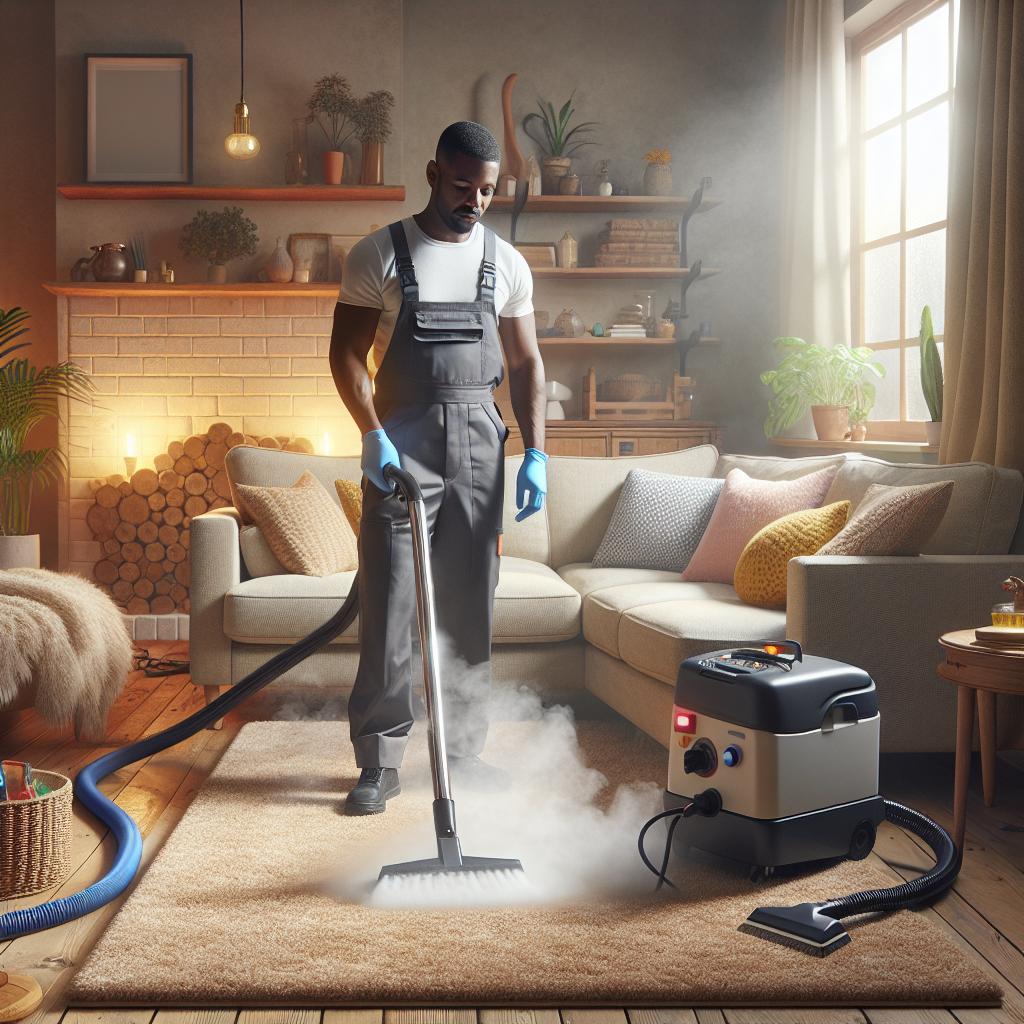
Deep cleaning improves indoor air quality by removing trapped allergens, enhancing respiratory health, and extending carpet durability. Steam cleaning uses hot water and cleaning agents under high pressure to extract dirt and kill dust mites efficiently, with rapid drying times using advanced equipment. Low-moisture methods like dry chemical cleaning and encapsulation allow quicker drying and reduce moisture-related issues but may not remove deep-seated allergens as effectively. Professional cleaners often combine methods and use specialized solutions and equipment for optimal results, balancing thorough cleaning with operational efficiency.
Professional vs. DIY Cleaning
Professional cleaning offers deeper, faster, and more effective allergen removal using advanced equipment and expertise, benefiting allergy sufferers and improving indoor air quality. DIY methods can be convenient and cost-effective but often lack thoroughness, especially for embedded allergens. Some home steam cleaners approach professional results, but overall, professional services better minimize moisture retention and mold risk. For tough stains and regular maintenance, professional cleaning is generally preferred for a healthier home.
Recommended Cleaning Frequency and Maintenance
Deep cleaning is advised every 12 to 18 months, or every six months for homes with pets, children, or heavy traffic. Regular vacuuming—preferably weekly with HEPA-filtered vacuums using slow, overlapping strokes—helps control surface allergens and dirt buildup between deep cleans. Prompt stain removal and maintaining vacuum filters also support carpet hygiene. Combining frequent vacuuming with scheduled professional deep cleaning maintains carpet freshness, reduces allergens, and promotes a healthier indoor environment.
Health-Focused and Sustainable Cleaning Practices
Hot water extraction is favored for its ability to remove deep allergens and sanitize carpets without harsh chemicals. HEPA-filtered vacuuming complements deep cleaning by trapping microscopic particles. Sustainable cleaning methods, such as those using eco-friendly, water-efficient solutions like Zerorez’s Zr™ Water, reduce chemical use and environmental impact while maintaining indoor air quality. In severe allergy cases, replacing carpets with hard flooring is recommended to minimize allergen exposure.
The content is provided by Harper Eastwood, Scopewires


