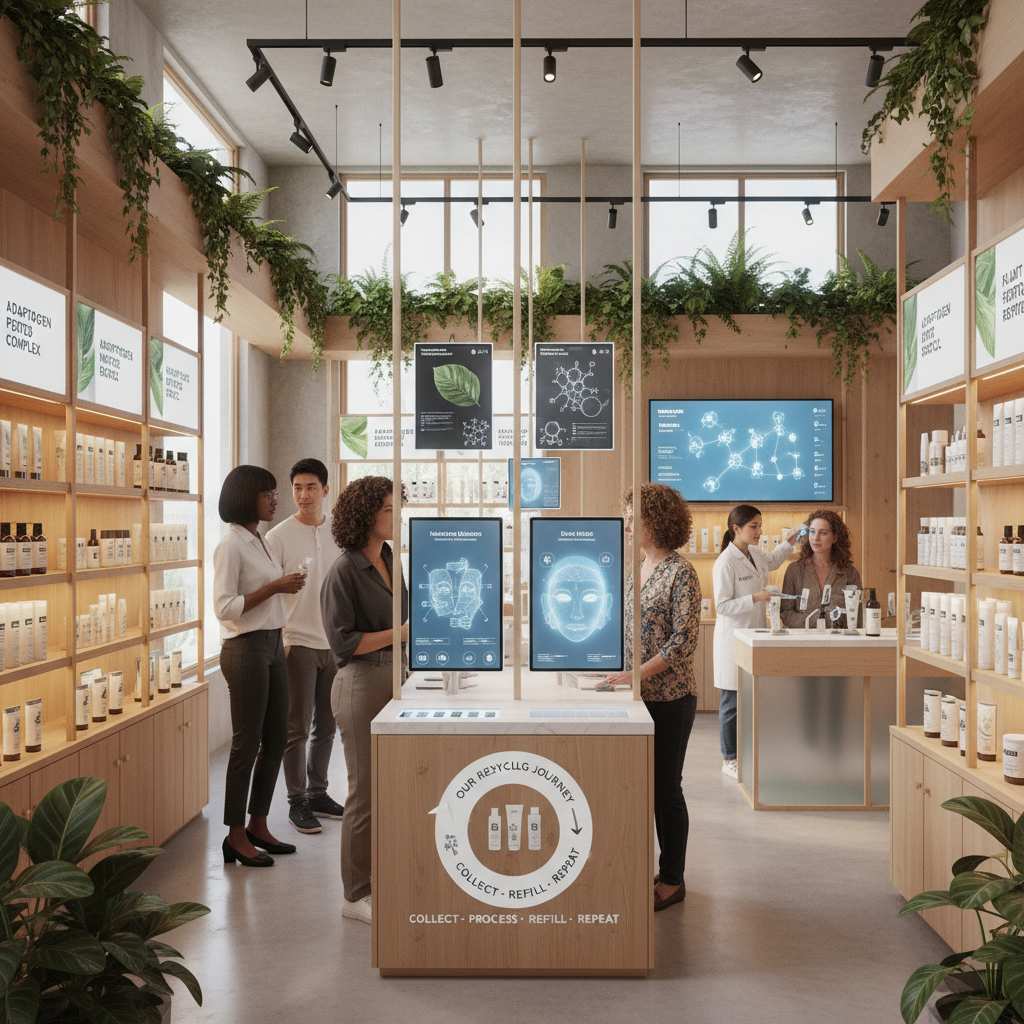
Highlights
- The beauty industry is embracing wellness, sustainability, and technology for improved consumer experiences.
- Personalized, ingredient-led formulations and eco-friendly practices are becoming essential for brand success.
Summary
The beauty and personal care industry in 2026 is characterized by a dynamic integration of wellness, sustainability, technological innovation, and inclusivity, reshaping how products are formulated, marketed, and experienced by consumers. Central to this transformation is a shift towards ingredient-led formulations that prioritize skin health and emotional well-being, featuring adaptogens, neuro-soothing peptides, and microbiome-friendly actives that address both physiological and psychological stressors. Concurrently, advancements in biotech-driven actives and precision-engineered skincare have elevated product efficacy, moving beyond traditional cosmetics to performance-driven solutions that align with skin biology.
Sustainability has become a structural imperative for brands, influencing supply chain practices, packaging innovations, and transparency measures such as Extended Producer Responsibility and Digital Product Passports. Eco-friendly materials, refillable packaging, and paper-based alternatives are increasingly adopted to meet consumer demands for environmental accountability. Alongside ecological concerns, inclusivity and personalization are prominent trends, with AI-powered diagnostics and custom formulations enabling tailored beauty routines that reflect diverse skin types, tones, and individual preferences.
Technological integration is revolutionizing the beauty experience through AI-driven personalization, smart devices, and connected packaging, enhancing both product performance and consumer engagement. These innovations support new business models such as subscription services and promote transparency, fostering greater trust in ethical sourcing and clean beauty practices. However, the industry faces significant challenges related to maintaining ethical integrity and overcoming skepticism toward “clean” claims, as consumers demand verifiable proof of sustainability and cruelty-free manufacturing.
Looking ahead, the industry is poised for continued growth driven by the convergence of health and beauty, with emerging trends in metabolic beauty, mood-enhancing ingredients, and simplified, effective regimens. Brands that successfully integrate science, ethics, and inclusivity are expected to lead in an increasingly discerning and digitally connected market, responding to evolving consumer values and regulatory pressures.
Key Trends Shaping the Industry in 2026
The beauty and personal care industry in 2026 is defined by a convergence of wellness, sustainability, technological innovation, and inclusivity, fundamentally transforming product development, consumer expectations, and brand strategies.
Wellness-Focused and Ingredient-Led Formulations
A dominant trend is the shift toward wellness-oriented products that prioritize skin health, nervous system support, and environmental well-being. Consumers increasingly demand formulations that go beyond superficial effects to deliver tangible benefits such as calming, recovery, and enhanced tolerance to stressors like pollution and hormonal changes. Ingredients like adaptogens, magnesium, neuro-soothing peptides, and microbiome-friendly actives are becoming popular for their ability to soothe both skin and mind, reflecting the rise of resilience-driven beauty. Additionally, multitasking products combining cosmetic enhancement with active skin support—featuring familiar actives such as niacinamide and hyaluronic acid—have become the norm rather than exceptions.
Intelligent and Performance-Driven Skincare
The industry is moving from traditional cosmetic approaches to precision-engineered skincare that respects the skin’s physiology. Innovations include advanced delivery systems, encapsulation, and time-release actives that optimize ingredient performance without compromising the skin barrier. This evolution marks a structural change where skincare acts more like a form of performance health, focusing on measurable improvements rather than immediate aesthetic gratification.
Sustainability as a Structural Imperative
Sustainability has emerged as a non-negotiable foundation for brand longevity. Consumers link trust directly to sustainable practices, influencing everything from ingredient sourcing to packaging. Brands are adopting multi-sourcing strategies to ensure supply chain resilience and prioritizing lifecycle design that integrates eco-friendly materials and refillable, biodegradable, or minimalist packaging. The implementation of Extended Producer Responsibility and transparency tools such as Digital Product Passports is becoming standard, allowing consumers to trace the environmental impact of their purchases. Paper-based packaging solutions, favored for their recyclability and low carbon footprint, are gaining traction as practical and scalable alternatives to plastic.
Inclusivity and Customization
The evolving consumer landscape defies traditional segmentation, demanding brands embrace diversity and personalization. Inclusivity goes beyond representation to encompass a wide range of skin tones, types, and individual preferences. AI-driven skincare diagnostics and custom formulations empower consumers to create tailored routines that reflect their unique needs and identities, fostering deeper engagement and satisfaction.
Technological Innovation and Connected Packaging
Advances in AI, precision diagnostics, and smart devices are revolutionizing the beauty experience. From AI mirrors that analyze skin conditions to connected packaging that tracks sustainability metrics and product lifecycle, technology is enhancing both efficacy and transparency. These innovations support new business models such as subscription services and modular packaging systems that promote convenience and sustainability simultaneously.
Clean Beauty and Ethical Transparency
The clean beauty movement continues to expand, emphasizing safety, transparency, and ethical sourcing without compromising product performance. Brands are committed to using certified organic, plant-based, hypoallergenic ingredients with strong provenance, often verified by organizations such as the Environmental Working Group (EWG). Packaging innovations complement this ethos by minimizing environmental impact while maintaining sensory appeal and functionality.
Collectively, these trends indicate a beauty industry that prioritizes holistic well-being, environmental responsibility, and technological empowerment, reshaping how products are designed, marketed, and consumed in 2026 and beyond.
Ingredient Innovations
In 2026, the beauty care industry is witnessing a significant shift toward biotech-driven ingredients, which are expected to dominate the upper tier of active formulations. These lab-grown actives offer enhanced reproducibility, eco-efficiency, and superior bioactivity compared to traditional plant extracts or standard vitamins. Consumers increasingly perceive these ingredients as ethical, high precision, and cruelty-free, aligning with the premium skincare sector’s demand for traceability and verified performance.
Next-generation peptides are emerging as key players in skincare innovation. Notable examples include copper tripeptide-1, which is now stabilized in advanced delivery systems to improve wound healing and collagen support; oligopeptide-68, a brightening peptide that reduces pigmentation pathways without causing irritation; and microbiome-targeting peptides that help balance redness, acne, and overall skin tolerance. Additionally, growth factors derived from plants, such as peauforia and peauvita from French biotech company Core Biogenesis, have gained attention for their strong clinical data supporting skin health benefits.
The integration of neurocosmetic modulators and mood-boosting ingredients marks a trend toward resilience-driven beauty. Ingredients like adaptogens, magnesium, neuro-soothing peptides, and microbiome-friendly actives are incorporated to calm both the nervous system and skin, delivering a sense of calm, recovery, and tolerance in response to today’s high-stress lifestyles.
Biotech innovation also extends to bioidentical repair agents, engineered lipids, and growth factor mimetics, blurring the line between cosmetic therapy and pharmaceutical-grade skincare. Such advances have led to the rise of exosome products and PDRN (polydeoxyribonucleotide), gaining mainstream acceptance as consumers seek science-driven solutions with proven results rather than simple hydration or aesthetic claims.
Alongside these developments, clean beauty continues to evolve with hypoallergenic and plant-based ingredients that prioritize sustainability without sacrificing performance. Ingredients like niacinamide (vitamin B3) remain essential for balancing oil production and improving skin texture, while plant-based squalane offers effective hydration with a cruelty-free profile. This synergy between biotechnology and clean formulations underscores a future where ingredient innovation is about both efficacy and ethical responsibility.
Product Categories Experiencing Highest Growth and Innovation
The beauty industry in 2026 is witnessing significant growth and innovation across several key product categories, driven by advancements in technology, sustainability, and consumer demand for personalized experiences. These categories reflect the evolving landscape of beauty care, where efficacy meets ethical and sensory considerations.
Personalized Skincare and Smart Beauty Devices
Personalized beauty solutions are at the forefront of industry growth. AI-driven personalization is transforming skincare from a luxury to an accessible norm, with 91% of consumers preferring brands that offer tailored experiences. Smart beauty devices such as LED masks, skin scanners, and connected facial tools provide precise diagnostics and enhance product efficacy. Innovations like AI-powered mirrors that analyze skin concerns and offer personalized routine guidance demonstrate technology integrated into everyday beauty care.
Biotech and Intelligent Formulations
Biotech ingredients dominate the premium active formulation space due to their reproducibility, eco-efficiency, and enhanced bioactivity. Consumers increasingly perceive lab-grown actives as ethical and scientifically credible alternatives to traditional synthetic ingredients, enabling cruelty-free, traceable, and performance-verified products. Intelligent formulations incorporate advanced delivery systems, encapsulation, and time-release technologies aligned with skin physiology, focusing on long-term skin health rather than immediate cosmetic effects. These precision-engineered products reduce skin flare-ups and support resilience against environmental and physiological stressors.
Eye Makeup and Periocular Care
The eye makeup category is experiencing a niche but notable surge, emphasizing multichrome pigments, colored mascaras, and graphic liners inspired by the “Y3K” futurism aesthetic. Periocular care is evolving with products like the AI-driven Hyper Rejuvenating Eye Patch, combining topical skincare enhancement with cellular activation and micro-zone skin analysis for targeted treatment. Eye-focused products benefit from the broader consumer shift toward playful yet sophisticated makeup looks and a move away from overdone lip styles.
Clean and Sustainable Beauty
Sustainability and transparency are integral to growth across product categories. Clean beauty brands prioritizing natural, organic, and non-toxic ingredients while maintaining ethical sourcing and manufacturing practices gain consumer trust and market share. Packaging innovations focus on sensory experience and visual appeal alongside sustainability, traceability, and transparency, making packaging a competitive advantage in 2026.
Scalp and Hair Care Innovation
The scalp care category is merging with dermal science and clinical dermatology, reaching sophistication levels similar to facial serums by incorporating biotech actives. Hair care trends reflect growing consumer interest, with brands leveraging influencer expertise and tapping into the expanding “glass hair” aesthetic originating from K-beauty influences.
Next-Generation Skincare Actives
Advancements in skincare formulations include stronger yet gentler actives such as next-generation peptides, improved retinol and vitamin C derivatives, and innovative sunscreens. Mood-boosting and stress-relieving ingredients extend beyond traditional aromatherapy to meet wellness demands, highlighting integration of emotional and physiological benefits. Research into skin hydration and bioactive ingredients from traditional medicine, such as Kampo, supports development of products targeting aging and dryness.
Technology and Digital Integration in Beauty
The beauty industry in 2026 is experiencing profound transformation driven by advances in technology and digital integration. Artificial intelligence (AI) reshapes how consumers discover, personalize, and interact with beauty products. AI-powered personalization tools offer precision skincare solutions tailored to an individual’s unique biology, ranging from at-home devices analyzing skin hydration and barrier function to AI-assisted platforms generating custom formulations.
Retail environments evolve with AI-driven devices such as Samsung’s AI Beauty Mirror, designed for salons, spas, and retail locations. This mirror leverages vast datasets—over 45,000 cases—to recommend personalized skin solutions and aims to become a comprehensive data-driven beauty platform. Its recognition as a CES 2026 Innovation Award Honoree highlights synergy between AI and beauty expertise.
Virtual try-ons and data-driven skincare personalization become standard tools for engaging consumers, supported by strategic investments from industry leaders including L’Oréal, Samsung, and Perfect Corp. These companies pioneer hybrid solutions blending AI, biotech, and digital experiences to create individualized beauty journeys. Smart chatbots and AI assistants streamline product recommendations, making digital interaction a cornerstone of consumer experience.
Beyond personalization, digital integration extends to packaging and compliance. Connected packaging and AI-driven material selection facilitate smarter compliance with regulations and advance sustainability goals. Innovations in packaging design incorporate modular systems, subscription models, and refillable components meeting consumer demands for convenience, education, and environmental responsibility. Paper-based packaging solutions gain momentum as cost-effective, recyclable alternatives to plastic, with accelerated adoption expected in 2026 and beyond.
Ethical Consumerism and Marketing Strategies
In 2026, ethical consumerism fundamentally drives the beauty industry, with consumers—particularly Gen Z—expecting brands to uphold and demonstrate authentic ethical identities rather than superficial claims. This reflects demand for transparency, accountability, and consistency in ethical sourcing and cruelty-free manufacturing, requiring ongoing vigilance due to evolving regulations, updated supplier standards, and increasing consumer awareness. Brands must provide verifiable proof of ethical commitments to satisfy regulators, retailers, and informed consumers.
Conscientious consumers also prioritize social impact, with fair labor practices and ethical treatment of workers critical to brand reputation and trust. This emphasis aligns closely with the rising clean beauty movement, which prioritizes safety, transparency, and sustainability in formulations and manufacturing. Clean beauty in 2026 is defined not only by efficacy but also by responsible production methods that avoid compromising performance for ethics.
Sustainability extends into packaging innovations. Brands implement Extended Producer Responsibility (EPR) by tracking and reporting packaging material lifecycles. Digital Product Passports offer consumers transparency regarding material composition, recyclability, and carbon footprint. These measures respond to heightened sustainability pressures and shifting regulations, pushing companies toward connected packaging enhancing accountability.
Marketing strategies adapt to consumer expectations emphasizing emotional intelligence, empathy, and human warmth. Consumers seek experiences and products providing emotional resonance, ethical alignment, and sensory satisfaction rather than mere functionality. This trend spans beauty, food, and home care sectors, with consumers investing in rituals and products fostering emotional connections and reflecting values. Predictive insights suggest by 2030, beauty and home care products will serve as diagnostic, emotional, and preventative tools beyond traditional aesthetic or functional roles.
The competitive beauty landscape in 2026 is characterized by digital dominance, with e-commerce leading sales. Brands leveraging digital platforms by being accessible, visible, and engaging gain significant advantages. This digital success intertwines with transparent ethical messaging and marketing that resonates emotionally and ethically, meeting complex and intentional consumer purchasing behaviors amid economic constraint and demand for authenticity.
Leading Brands and Market Players
In 2026, the beauty industry landscape is shaped by a mix of established giants and emerging innovators leveraging technology, sustainability, and personalization to capture market share. Industry leaders such as L’Oréal, Samsung, Dcypher, and Perfect Corp heavily invest in AI-powered personalization, sustainable formulations, and hybrid solutions, positioning themselves at innovation’s forefront. They engage in strategic collaborations with AI firms and biotech innovators, accelerating global adoption of personalized beauty solutions and redefining consumer experiences.
Established luxury brands like Charlotte Tilbury and Dior Beauty maintain strong market positions and customer loyalty, benefiting from heritage and trusted reputations. Newer brands such as Rhode gain traction among younger consumers by focusing on innovation, viral marketing trends, and resonating with evolving values.
Market dynamics increasingly reflect consumer demands for transparency and responsibility. Leading brands adopt Extended Producer Responsibility measures, tracking and reporting packaging lifecycles and providing Digital Product Passports for full visibility into materials, recyclability, and carbon footprints. This push toward sustainability is a structural necessity affecting pricing, supply chain partnerships, and brand survival.
The sector is evolving to be smarter and more people-focused. Brands prioritizing responsible innovation, inclusivity, and eco-friendly practices set industry pace, helping consumers enjoy better products with greater transparency. As AI-driven personalization becomes the main trend, companies blending credible science with authentic brand values capture consumer trust and loyalty in an increasingly discerning market.
Regional and Demographic Adoption Patterns
The beauty care market in 2026 exhibits diverse regional and demographic adoption patterns, reflecting a complex interplay of cultural, economic, and social factors. Regionally, the Asia-Pacific holds the largest share of the online beauty and personal care market, with the highest market share in 2022 and a projected CAGR of 12.2% over the forecast period. Growth is driven by rising digital adoption and increasing consumer demand for personalized and innovative products.
Demographically, the consumer landscape is increasingly fragmented, defying traditional segmentation by age, gender, or income. In the U.S., wealth polarization has led to diverging spending habits, with brands recognizing effective segmentation depends more on
Cultural and Aesthetic Influences
The beauty landscape in 2026 is profoundly shaped by evolving cultural values and aesthetic preferences that reflect a broader shift in consumer consciousness. Beauty is no longer defined solely by appearance but increasingly by ethical considerations and alignment with personal values. Consumers today demand products and brands that embody transparency, sustainability, and social responsibility, marking a departure from purely aesthetic priorities.
One of the most significant cultural influences is the continued impact of K-beauty, which emphasizes texture, sensory experience, and ritualistic skincare routines. This trend has driven brands to focus not only on efficacy but also on the enjoyment and experience of product application. The immersive nature of these routines has reignited conversations around product ingredients, such as the reconsideration of fragrances as potential irritants.
Social media platforms have transformed beauty inspiration, making it both more accessible and highly targeted. While physical retail remains a key source of inspiration, digital tools like Facebook Ads Manager and Instagram Insights enable brands to tailor campaigns to individual interests and behaviors, rather than relying on traditional demographic data. Influencers, particularly makeup artists, play a pivotal role in shaping aesthetic trends, with a noted shift toward eye makeup over lip-focused looks, influenced by both consumer preferences and artist-led brands gaining trust.
The wellness movement also intersects with beauty trends, as consumers seek products that contribute to overall well-being beyond surface-level results. Ingredients that promote mood enhancement and stress relief are becoming increasingly popular, highlighting a holistic approach to beauty that integrates mental and physical health.
Ultimately, these cultural and aesthetic shifts underscore a beauty industry that values simplicity, authenticity, and long-term skin health. Consumers are gravitating toward minimalist, effective routines that prioritize well-being and ethical considerations, signaling a move away from overly complicated regimens and transient trends.
Industry Challenges and Criticism
The beauty industry in 2026 faces significant challenges centered around maintaining ethical standards and meeting rising consumer expectations. One of the foremost issues is ensuring consistent and defensible ethical identities for brands, particularly in cruelty-free manufacturing. This requires ongoing vigilance as regulations evolve, suppliers update testing standards, and consumers—especially younger generations like Gen Z—become more informed, demanding, and emotionally invested in ethical beauty practices. A major ethical challenge remains the lack of transparency, with regulators, retailers, and consumers increasingly rejecting vague promises about ethical sourcing and demanding verifiable proof. It is anticipated that pressure on brands to provide accountability will reach unprecedented levels by 2026.
Skepticism towards brands’ clean beauty claims also presents a critical obstacle. Although 54% of consumers are committed to preventing their preferred products from contributing to landfill waste, over half express doubts regarding the authenticity of these claims. This skepticism is compounded by a disconnect between marketing language and scientific formulation. Terms such as “natural” and “clean” continue to dominate advertising but no longer suffice as indicators of product performance or safety. Consumers now seek clinical evidence and detailed information on dosage, bioavailability, and ingredient penetration, indicating a shift towards more informed and discerning purchasing decisions.
Furthermore, brands must navigate increasing regulatory demands such as Extended Producer Responsibility, which requires tracking and reporting on packaging lifecycles. Transparency around materials, recyclability, and carbon footprint is being mandated through innovations like Digital Product Passports. These requirements, combined with sustainability and cost pressures, push the industry towards more connected and responsible packaging solutions. However, balancing these environmental considerations with sensory and visual appeal remains complex, even as packaging innovation is recognized as a potential driver of competitive advantage and brand differentiation.
Future Outlook
The beauty and personal care industry is poised for transformative growth and innovation through 2030 and beyond, driven by evolving consumer behaviors and technological advancements. A pivotal shift toward integrating beauty with overall health, particularly through the emergence of metabolic beauty, is expected to redefine the category’s future landscape. This long-term perspective emphasizes a health-integrated approach, where wellness and efficacy converge to meet increasingly sophisticated consumer demands.
Artificial intelligence (AI) will play a central role in accelerating innovation and reshaping consumer engagement. AI-powered personalization tools such as smart skin-care ecosystems, at-home diagnostic devices, and precision formulation platforms will enable highly customized routines tailored to individual skin biology, reflecting a consumer appetite for authenticity and scientific curiosity. Digital ecosystems will continue transforming the path to purchase, making online presence and visibility crucial for brand success as e-commerce dominates beauty sales.
Wellness-driven and ingredient-focused product development will deepen, with consumers seeking formulations that support not only skin health but also nervous system and environmental well-being. Mood-enhancing and stress-relieving ingredients, going beyond traditional aromatherapy, are emerging as notable trends aligned with this holistic wellness movement. Simplicity and effectiveness will be favored over complex regimens, reflecting a growing preference for sustainable, long-term skin health solutions.
Sustainability will remain a structural necessity influencing every facet of the industry—from packaging and supply chain management to pricing and ethical branding. Consumer trust will increasingly hinge on transparent, cruelty-free manufacturing practices, as well as adherence to evolving regulatory standards. Brands that prioritize sustainability are expected to maintain relevance and competitive advantage in the long term.
Inclusivity and diversity will continue to reshape the beauty market, with brands expanding shade ranges and embracing a broad spectrum of identities encompassing age, religion, disabilities, neurodiversity, and cultural backgrounds. This consumer-driven movement towards representation and personalized care underscores a lasting demand for products that reflect and celebrate diverse forms of beauty.
The content is provided by Harper Eastwood, Scopewires