
Highlights
- Abandoned houses illustrate historical significance while posing modern challenges to communities and safety.
- Explore the multifaceted implications of abandonment to engage with preservation and revitalization efforts.
Summary
The Secrets Behind Abandoned Houses examines abandoned residential properties, their causes, cultural significance, legal issues, and community impacts. These houses are vacant and neglected, often due to economic hardship, disasters, or social shifts. They reflect historical eras but pose challenges like deterioration, safety risks, and neighborhood decline. While attracting urban explorers and cultural interest, abandoned houses involve complex legal ownership and preservation challenges. This overview highlights their historical, legal, economic, and cultural dimensions important for policymakers and the public.
Definition and Causes of Abandonment
Abandonment in real estate involves an owner’s voluntary or implied relinquishment of property rights, usually indicated by vacancy and neglect. It often results from financial hardship, legal issues, or social changes. Properties left unoccupied may pose health and safety risks. Key causes include economic struggles, environmental disasters, population shifts, personal events like divorce or death, and legal complications such as tax delinquency or foreclosure. These factors combine to leave many homes vacant and deteriorating.
Historical and Architectural Significance
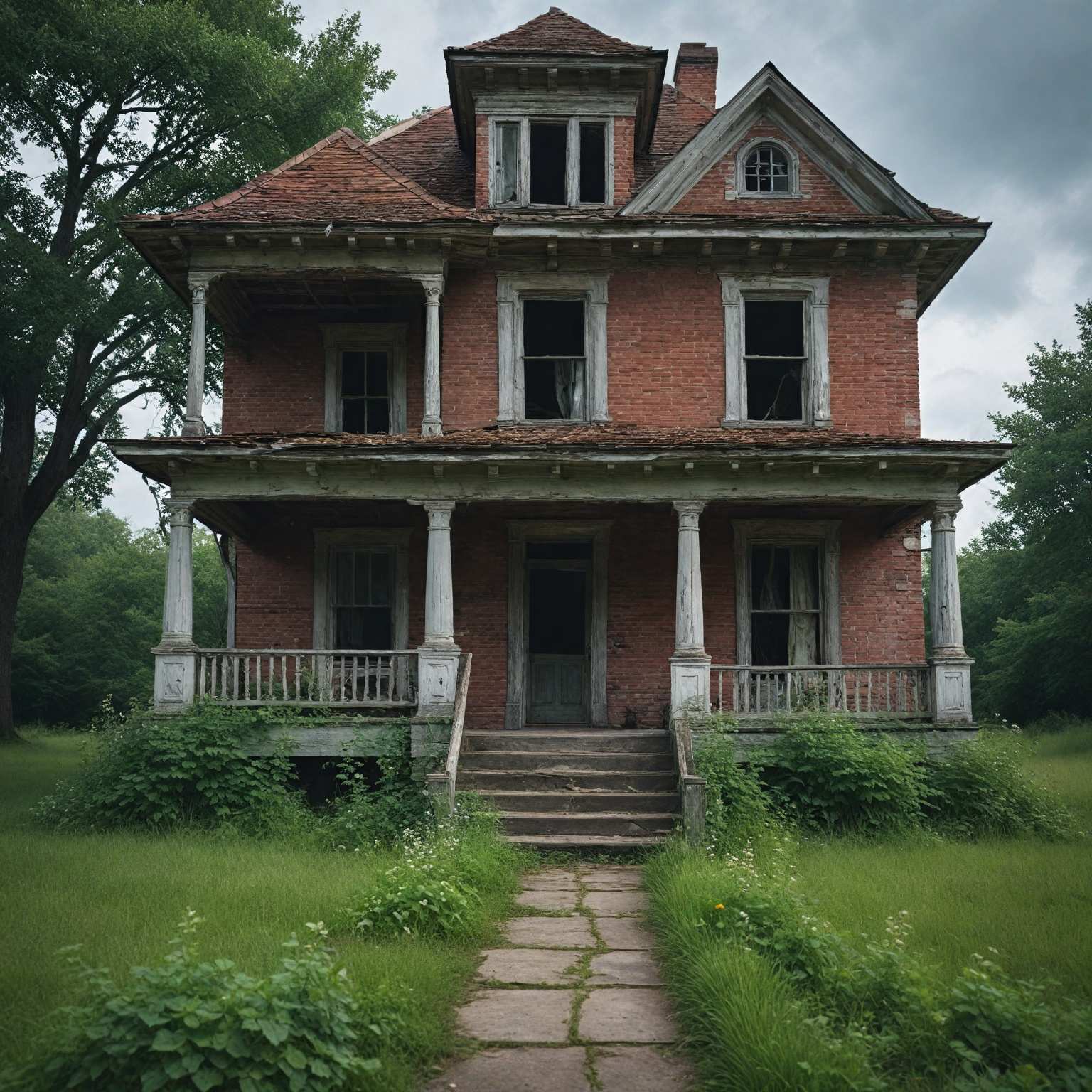
Abandoned houses serve as historical artifacts, displaying architectural styles from medieval European towns to American regional designs. Examples include Italy’s Craco with medieval and Norman features, Gothic Revival mansions in the U.S., and indigenous adobe structures in New Mexico. Interiors reveal decay over time, symbolizing the passage from once vibrant homes to neglected relics.
Legal Issues and Ownership
Despite neglect, abandoned houses legally remain the owner’s property until formal transfer. Determining true abandonment requires evidence of intent to forfeit ownership. Adverse possession allows claimants to acquire property through continuous, unauthorized occupation under strict conditions, varying by jurisdiction. Legal acquisition involves verifying ownership, resolving liens, and recording title transfers. Abandoned homes also attract government actions like foreclosure due to hazards or tax issues, complicating ownership and community safety.
Deterioration and Community Impact
Vacant houses deteriorate rapidly, mainly from unaddressed water damage causing rot, rust, and structural weakening. Plant growth and animal intrusion accelerate decay. Wood structures may decay within decades, while stone lasts longer. Visible decay invites vandalism and crime, lowering neighborhood property values and increasing public safety concerns. Local governments must manage these risks with limited resources, as abandoned buildings threaten both structures and communities.
Socio-Economic and Cultural Effects
Abandoned houses reduce property values, invite crime and vandalism, and create health hazards. They impose policing and maintenance costs on communities. Cultural ties to historic properties influence preservation efforts, though demographic changes can reduce engagement. Some abandoned sites offer opportunities for redevelopment into affordable housing or community spaces, aiding revitalization. Understanding economic hardship and other causes is essential for effective intervention.
Urban Exploration and Its Challenges
Urban exploration (“urbex”) involves visiting abandoned buildings for adventure, art, and historical interest. It highlights the interplay of nature reclaiming manmade structures and fosters creative expression. Social media has popularized urbex but also increased risky behavior. Legal issues arise as trespassing is illegal, with potential criminal charges for unauthorized entry. Safety hazards in decaying buildings pose additional risks.
Preservation Efforts and Challenges
Preservationists document and advocate for abandoned sites with cultural or historical value, though challenges include safety, vandalism, and ethical access. Adaptive reuse—transforming buildings for modern community purposes—helps maintain heritage while providing new functions. Government initiatives promote regeneration by enabling conversion of vacant properties. However, funding shortages and demographic shifts often hinder preservation and redevelopment efforts.
Myths, Media Portrayals, and Risks
Abandoned houses are often depicted as haunted or cursed in media, fueling fascination and urban legends. Social media amplifies these portrayals, encouraging exploration but also risky behavior. The romanticized view of decay and isolation attracts enthusiasts, yet has led to accidents and legal problems. These myths complicate public understanding and highlight the real dangers of abandoned properties.
The content is provided by Avery Redwood, Scopewires


