
Highlights
- Regular furnace maintenance prevents breakdowns and enhances energy efficiency for safe home heating.
- Understanding early signs of furnace issues can save costs and ensure household safety.
Summary
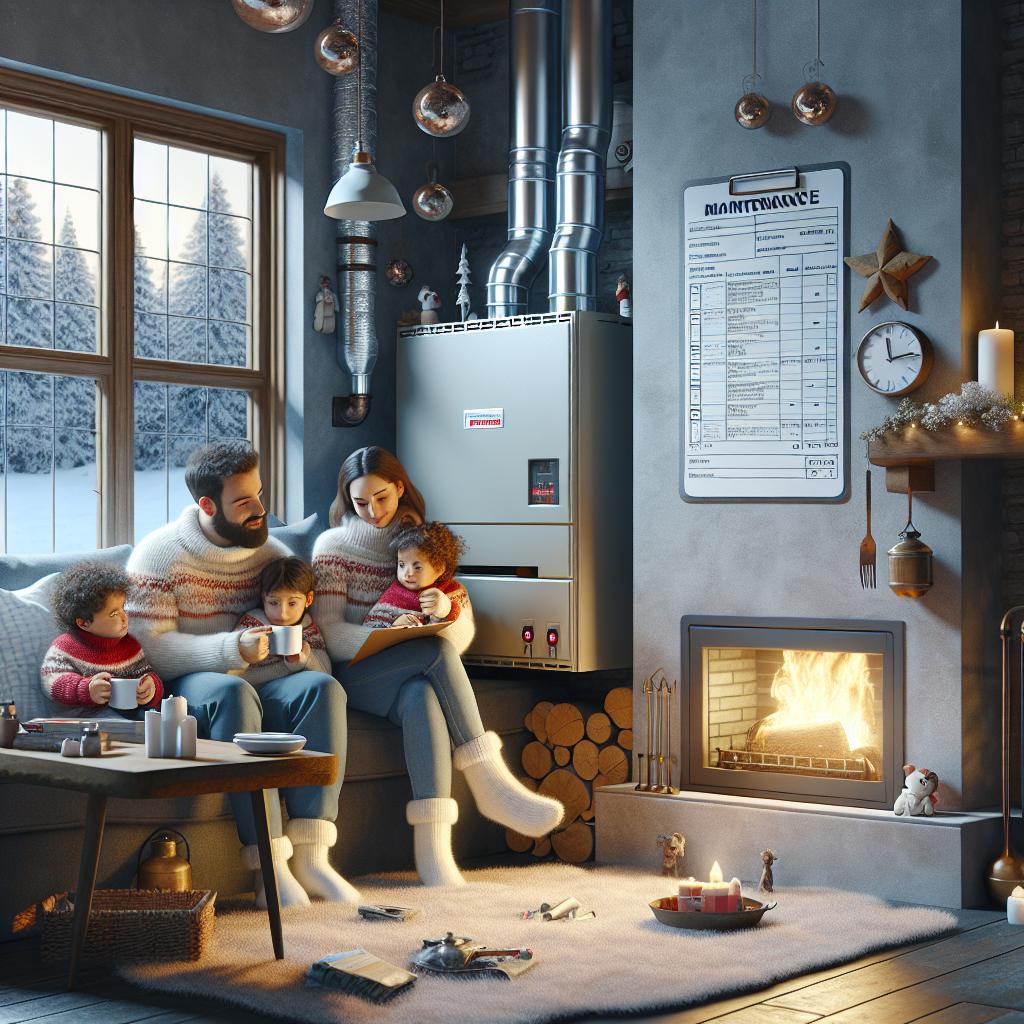
This guide covers essential furnace maintenance, inspection, and repair to ensure safe, efficient, and reliable home heating. Regular service prevents breakdowns, improves energy efficiency, extends furnace life, and protects against hazards like carbon monoxide poisoning. It includes homeowner tasks such as filter replacement and thermostat checks, as well as professional inspections of burners, heat exchangers, and venting systems. Recognizing issues like unusual noises, inconsistent heating, or a yellow pilot light enables prompt repairs. Annual professional inspections before the heating season are recommended to maintain safety and performance, supported by adherence to regulatory standards. Technological advances, including electronic ignition and direct-drive motors, enhance efficiency but require proper upkeep. Combining DIY maintenance with professional servicing optimizes furnace care, heating performance, and household safety.
Furnace Service Overview and Procedures
Furnace service involves maintenance to ensure safe and efficient operation, prevent breakdowns, and extend system lifespan. Homeowners can replace or clean air filters every 1 to 3 months, keep the area around the furnace clean, inspect vents and ducts for airflow, and monitor thermostat accuracy. Professional annual service includes cleaning burners and heat exchangers, lubricating components, testing safety controls, and inspecting venting systems to prevent carbon monoxide buildup. Technicians also check critical parts like flame sensors, ignitors, limit switches, and blower motors. Inspections follow safety protocols, involving visual examinations and operational tests, with costs typically ranging from $100 to $300.
Signs Your Furnace Needs Service
Warning signs include inadequate or uneven heating, unusual noises (squealing, banging), frequent cycling, a yellow pilot light, higher energy bills, and strange odors. Older units are more prone to safety risks like carbon monoxide leaks and require prompt attention. Recognizing these symptoms early and scheduling regular inspections helps maintain furnace efficiency and safety.
DIY Maintenance Tips and Hiring Professionals
Homeowners should regularly replace or clean air filters, clean around the furnace, inspect and seal ductwork leaks, check thermostat accuracy, and listen for unusual sounds. Keeping the furnace area clear promotes safety and airflow. Hiring a professional technician annually—preferably before winter—ensures thorough inspection and maintenance of complex components and safety systems. Professional service costs vary, with standard tune-ups ranging from $75 to $200 and more extensive repairs costing up to $1,200 or more.
Common Furnace Problems and Solutions
Common issues include thermostat malfunctions, clogged filters reducing airflow, ignition and pilot light failures, flame sensor and safety switch problems, blower motor and fan belt faults, and heat exchanger cracks posing safety hazards. Regular maintenance and timely professional repairs prevent breakdowns and ensure safe operation. In emergencies, gas supply should be shut off and qualified service contacted immediately.
Maintenance Frequency and Safety Considerations
Annual professional maintenance, ideally before winter, is recommended to optimize performance and safety. Proper upkeep prevents hazards such as fires, gas leaks, and carbon monoxide poisoning. Carbon monoxide risks arise from blocked or leaking venting systems; professional inspections detect and address these issues. Home inspectors conduct visual checks but do not evaluate combustion or ventilation in detail, underscoring the need for specialized HVAC inspections.
Regulatory Standards and Inspection Guidelines
Furnace safety and efficiency are governed by regulatory standards requiring inspectors to identify hazards and ensure compliance. Proposed rules aim to enhance safety for gas furnaces and boilers, focusing on preventing carbon monoxide poisoning and fire risks. Key inspection elements include the heat exchanger, flue, and venting systems. Professional annual inspections verify safety and ventilation before the heating season.
Professional Furnace Safety Inspections
Technicians inspect and clean burners, examine heat exchangers for cracks, clear flue and vents, and test safety devices like flame sensors and limit switches. Carbon monoxide testing is vital to detect leaks. Some maintenance can be done by homeowners, but annual professional inspections are essential for comprehensive safety and performance evaluation.
Seasonal Furnace Maintenance Checklist
Fall is the ideal time for professional inspections to prepare the furnace for winter. Annual comprehensive checks by certified technicians include cleaning, gas leak testing, and safety control verification. Homeowners should perform regular filter changes, thermostat checks, and keep the furnace area clear. Maintenance staff training enhances upkeep quality, helping prevent costly repairs and downtime.
Advancements in Furnace Technology
Modern furnaces use direct-drive blower motors, electronic ignition systems, and advanced thermostats for improved efficiency and safety. Electronic ignitors replace constantly burning pilot lights, reducing energy use and risks. These technologies require proper maintenance to ensure optimal operation and longevity.
Environmental Impact and Energy Efficiency
Furnaces contribute to household energy use and emissions depending on fuel type. Gas furnaces emit carbon dioxide, while electric ones’ impact varies with the electricity source. Regular maintenance improves efficiency, lowers energy costs, reduces emissions, and extends furnace life, minimizing environmental impact.
The content is provided by Sierra Knightley, Scopewires


