
Highlights
- Tailoring care routines to seasonal changes is essential for thriving indoor plants.
- Discover strategies for overcoming common indoor plant challenges and optimizing their health year-round.
Summary
The Ultimate Guide to Indoor Plant Care offers year-round strategies for maintaining indoor plants by adapting watering, fertilizing, and positioning to seasonal changes in light, temperature, humidity, and air circulation. It highlights selecting suitable species, managing pests, and using tools like grow lights and humidifiers to create optimal indoor environments. The guide addresses common challenges such as balancing watering and lighting and encourages attentive care for thriving plants throughout the year.
Indoor Plant Care Essentials
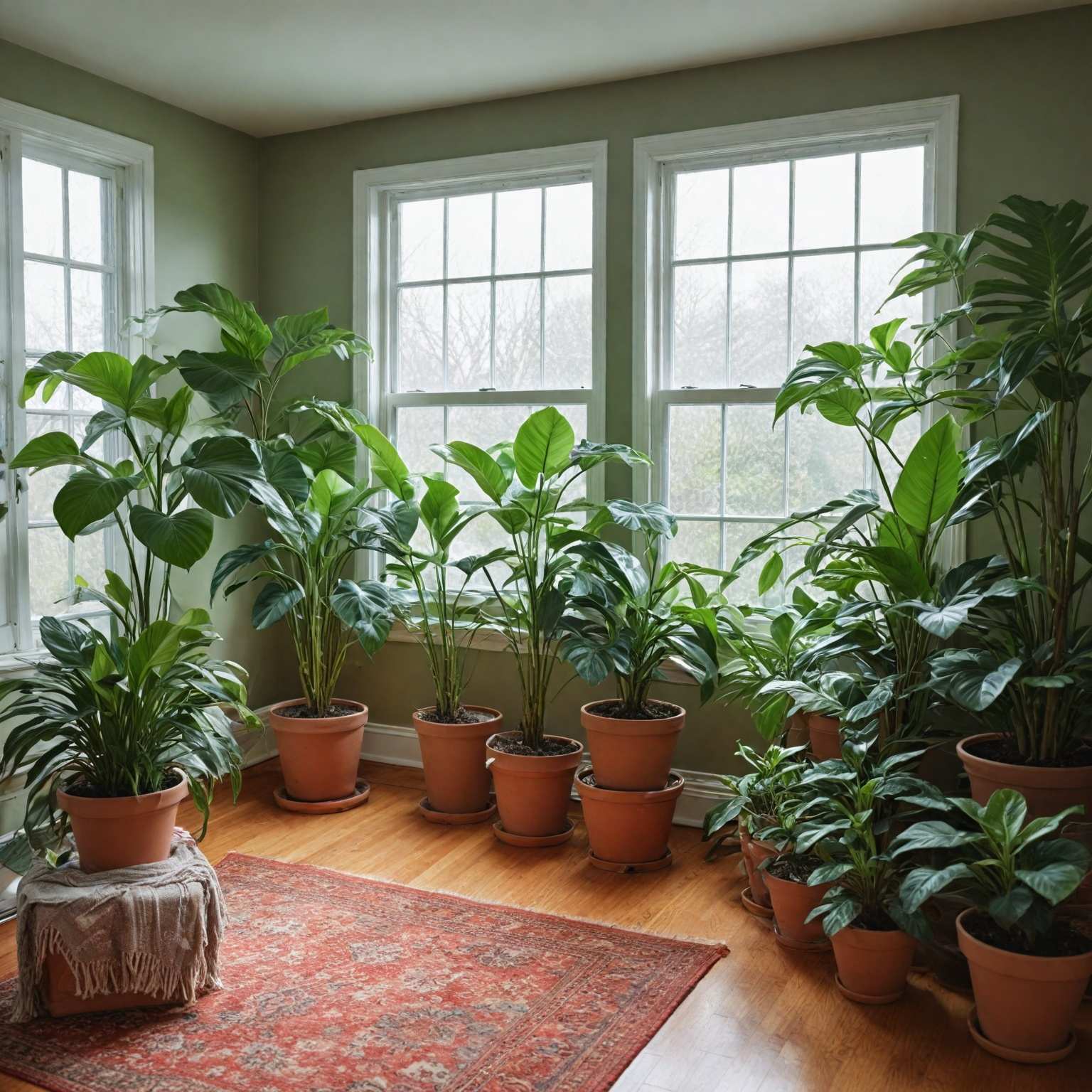
Indoor plants enhance spaces and air quality but require environments mimicking their natural habitats, considering temperature, humidity, lighting, and nutrients. Care must adjust seasonally, with watering, fertilizing, and placement tailored to each plant’s needs and environmental conditions. Proper watering and pest monitoring are key, and moving plants outdoors during warm months can boost vigor. Beginners may face challenges but can achieve success with attentive care.
Choosing Indoor Plants
Select plants based on their light, temperature, and humidity needs, reflecting their native habitats. High-humidity plants like ferns and Calathea may require humidifiers indoors, especially in dry winters. Light intensity varies by window orientation, affecting plant choice. Beginners should start with hardy, low-maintenance species before progressing to more demanding plants, aligning selections with local indoor seasonal conditions.
Seasonal Care Guidelines
Indoor plants’ growth cycles change with the seasons, requiring adjustments in watering, fertilizing, and positioning:
Spring and Summer
Active growth demands increased watering and fertilizing every 2–4 weeks. Repotting is ideal in spring.
Fall
Growth slows; reduce watering and stop fertilizing by early fall. Move plants to brighter spots to compensate for less light.
Winter
Plants enter dormancy with minimal growth; water sparingly and halt fertilizing unless growth continues. Avoid repotting.
Additional Considerations
Seasonal pest activity rises in winter; inspect and treat infestations promptly. Supplemental lighting may be needed during darker months.
Environmental Factors Affecting Indoor Plants
Humidity, temperature, light, and air circulation all fluctuate seasonally and impact plant health:
Humidity
Indoor humidity often drops below ideal levels in winter, stressing plants; excessive humidity can cause root problems.
Temperature
Optimal ranges are 65–75°F by day and slightly cooler at night; sudden fluctuations cause stress.
Light
Light intensity and duration vary seasonally and by window orientation; artificial grow lights help maintain adequate spectra and photoperiods.
Air Circulation
Proper airflow prevents excess moisture buildup and supports transpiration; drafts can cause water loss and stress.
Watering and Nutrient Management
Watering
Water needs rise in warm seasons and decrease in cold; avoid fixed schedules, checking soil moisture before watering. Tropical plants need more water than succulents.
Fertilizing
Fertilize every 2–4 weeks during active growth in spring and summer; reduce or stop in fall and winter. Controlled-release fertilizers aid steady nutrient supply.
Common Seasonal Challenges
Seasonal changes affect light, temperature, humidity, and pests:
- Light: Excessive summer sun can cause leaf burn; reduced winter light slows growth.
- Temperature: Seasonal shifts alter metabolism and water needs; extremes cause stress.
- Humidity: Low winter humidity leads to leaf damage and pest susceptibility.
- Pests: Insects like mealybugs and spider mites increase indoors during colder months; regular inspection is vital.
- Watering: Adjust frequency based on season and moisture levels to prevent over- or underwatering.
Advanced Care Techniques
Maintaining consistent environmental conditions, flexible watering, improved air circulation, and optimized lighting enhance indoor plant health. Multi-spectrum LED grow lights provide precise light quality with energy efficiency. Bringing plants outdoors seasonally can improve vigor. Managing these factors reduces stress and supports year-round growth.
Essential Tools and Supplies
Key tools include watering cans, moisture meters, pruning shears, and pest control products. Seasonal aids like humidifiers, ventilation tools, grow lights, quality pots with drainage, and nutrient-rich soils help maintain optimal conditions year-round.
The content is provided by Blake Sterling, Scopewires


