Highlights
- TrumpRx offers discounted inhalers directly from manufacturers, benefiting uninsured patients significantly.
- Continued collaboration and policy adjustments are vital for expanding access to affordable medications.
TrumpRx Inhaler Coverage Overview
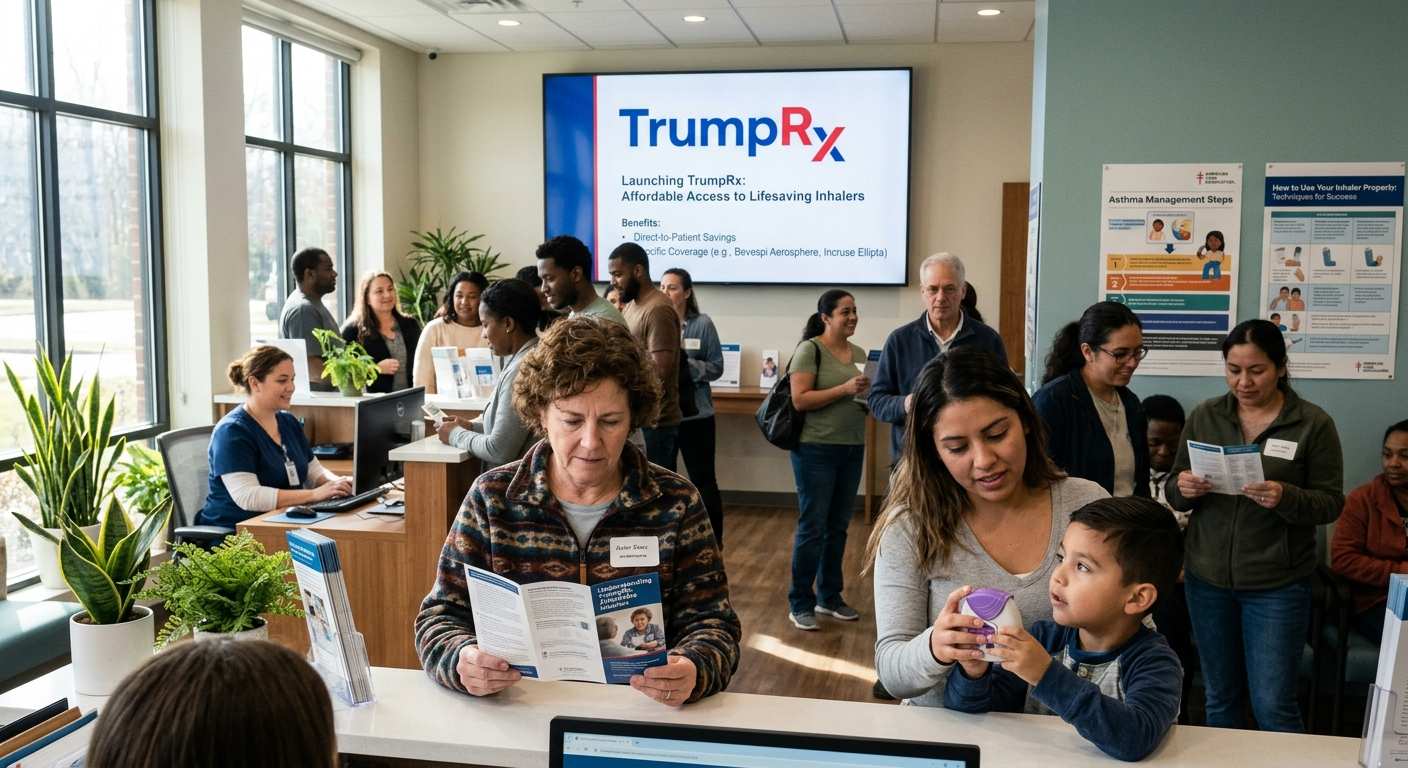
TrumpRx is a federal initiative launched in February 2026 that aims to lower prescription drug costs in the U.S. by allowing patients to purchase FDA-approved medications directly from manufacturers at discounted prices. The program includes prominent inhalers like Bevespi Aerosphere, Airsupra, and Incruse Ellipta, particularly beneficial for uninsured or underinsured individuals.
Comparative Overview of Inhaler Coverage Options
| Product/Service | Cost Estimation |
|---|---|
| Basic Inhaler Coverage | $25 – $50 per month |
| Premium Inhaler Coverage | $50 – $100 per month |
| High-Deductible Plan Coverage | $15 – $30 per inhaler after deductible |
| No Insurance Inhaler Purchase | $60 – $120 per inhaler |
| Prescription Assistance Programs | Varies (often $0 – $35 per inhaler) |
| Medicare Part D Coverage | Varies by plan, typically $15 – $45 per inhaler |
Prices, rates, and cost estimates in this article reflect the most recent information available but may vary over time. Please conduct independent research before making any financial decisions.
While the cash-pay model of TrumpRx can provide significant savings—some inhalers costing as low as $30 to $50—it is important to consider that these purchases do not apply toward insurance deductibles or out-of-pocket maximums, thus limiting its appeal to those with insurance. Moreover, patients enrolled in government insurance programs, including Medicare and Medicaid, are generally ineligible for TrumpRx discounts, which raises concerns about the inclusivity and effectiveness of this initiative in improving access to affordable medications for all individuals.
Program Accessibility and Limitations
The TrumpRx program has received both support and criticism regarding its accessibility and impact. Users are encouraged to verify drug coverage through formulary tools, but the limited selection of covered medications and eligibility constraints have raised doubts about its effectiveness as a long-term solution to prescription drug affordability. Many patients might find their medications already covered by their insurance, meaning TrumpRx serves as a supplementary option rather than a replacement for existing benefits.
For patients without insurance, direct cash purchases can provide immediate savings. However, the initiative’s restricted formularies and the requirement that users not be enrolled in certain government programs significantly narrow its potential user base, highlighting a mismatch between the target demographic and the actual coverage offered.
Clinical Effectiveness and Economic Impact
Inhalers provided through TrumpRx, such as Bevespi Aerosphere and Airsupra, maintain efficacy and safety standards comparable to traditional alternatives. The substantial discount on some inhalers can encourage better medication adherence among those who would otherwise struggle with costs. However, environmental considerations remain pertinent, especially regarding the impact of pressurized metered dose inhalers (pMDIs) on climate change.
Despite the clinical advantages, the long-term viability of TrumpRx as a sustainable solution to medication costs is questionable. Critics argue that it does not adequately address the broader complexities of drug pricing in the U.S. and may fail to affect systemic affordability challenges faced by many Americans.
Impact of Recent Policy Clarifications
Recent regulatory clarifications have expanded the scope of TrumpRx, allowing manufacturers to sell directly to Medicare enrollees at cash prices under certain conditions. This development may enhance access but still leaves significant gaps for insured patients, particularly those relying on traditional Medicare coverage, for which purchases through TrumpRx do not count towards annual deductibles.
The program’s future effectiveness will hinge on its ability to collaborate with pharmaceutical companies and integrate with existing insurance frameworks. Continued assessment and adaptation will be crucial as TrumpRx attempts to fit into the broader U.S. healthcare landscape, which is marked by complex price structures and diverse patient needs.
Conclusion and Future Considerations
The establishment of TrumpRx reflects a significant shift in how prescription medications may be accessed in the future. Its innovative pricing strategy aims to provide direct savings to patients, particularly those uninsured or underinsured. The program’s success, however, will depend on effective partnerships with manufacturers and regulatory bodies, as well as a commitment to addressing the limitations which currently restrict its benefits to a narrow segment of the population.
Policymakers must remain vigilant in evaluating the impact of this initiative on drug affordability and accessibility overall, ensuring that it does not create further disparities in health outcomes but instead fosters equitable solutions for all patients in need of medications.
The content is provided by Sierra Knightley, Scopewires