
Highlights
- Uncut art films preserve the director’s vision, appealing to discerning audiences seeking alternatives to mainstream cinema.
- Rising ticket prices and a shift to streaming create challenges in accessibility for independent and art films.
- Innovative strategies like tiered pricing and algorithmic booking are enhancing audience engagement amid industry shifts.
Overview and Definition of Uncut Art Films
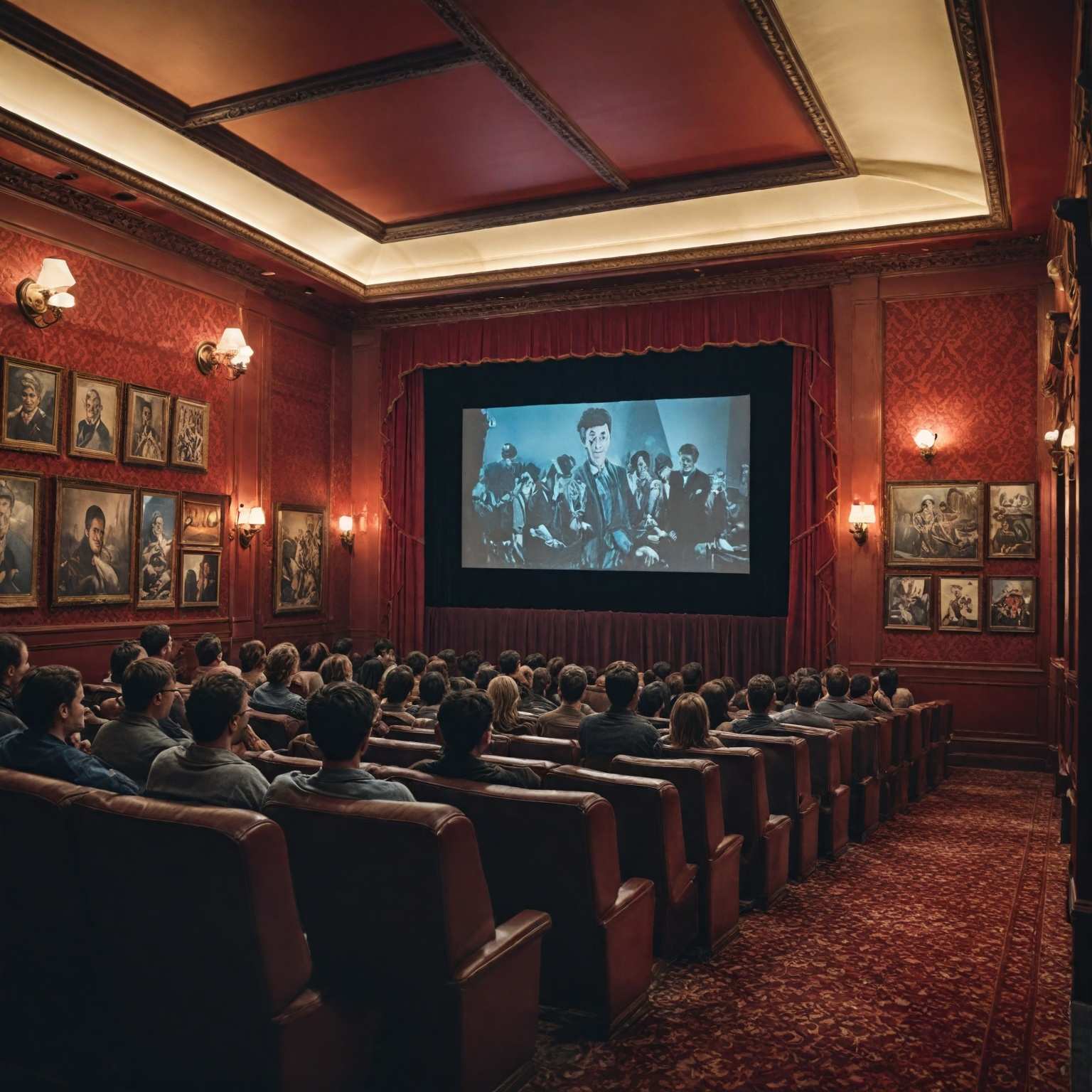
Uncut art films present movies in their original, unedited form, preserving the director’s full artistic vision. These films, often independent, foreign, or documentary in nature, emphasize creative expression and narrative depth, appealing to niche audiences. They are showcased in arthouse theaters, film festivals, and specialized streaming platforms like The Criterion Channel, Mubi, and Filmatique, which curate diverse, often experimental content.
Industry Context and Economic Challenges in 2025
Since the mid-1990s, the film industry has evolved with globalization, technological advances, and changing audience preferences. By 2025, rising ticket prices—averaging $11.50 in the U.S.—reflect inflation, higher production costs, and premium formats like IMAX and 3D. This has shifted consumer habits toward streaming and hybrid release models offering more affordable, flexible viewing. Economic pressures have also increased disparities in access, especially affecting lower-income and underrepresented groups.
Market Dynamics and Distribution Strategies
Distributors and theaters are responding with innovative approaches such as algorithmic booking, targeted marketing, tiered pricing, and membership programs to maintain affordability and engagement. Hybrid release models combining theatrical and streaming debuts are growing, influencing acquisition and distribution strategies. International co-productions and a focus on diverse global storytelling support creative vitality amid rising costs and workforce challenges. Film festivals and communal events continue to attract audiences seeking meaningful cultural experiences despite economic headwinds.
Audience Attendance and Demographic Trends
Attendance studies reveal underrepresentation of certain groups, particularly BIPOC communities, due to perceptions of unappealing programming. However, there is renewed interest in communal viewing experiences like festivals, driven by social and cultural value. Rising ticket prices and regional economic differences pose barriers to accessibility, disproportionately impacting lower-income audiences. Embracing inclusivity and digital-first distribution may help broaden audience reach and engagement.
Pricing Comparison: Uncut Art Films vs. Mainstream Releases
Mainstream films often command higher ticket prices partly due to premium formats, contributing to significant box office revenue increases. In contrast, uncut art films generally avoid premium pricing by targeting specialized audiences and employing cost-reducing digital tools. This enables lower ticket prices and greater accessibility, though regional and economic factors still influence consumer choices across the U.S.
Alternative Viewing Options and Streaming Services
With rising theater costs, many viewers prefer streaming releases at home. Services like The Criterion Channel, Mubi, Filmatique, and Ovid.tv offer curated selections of indie, classic, and foreign films. Platforms such as Angelika Anywhere, KweliTV, Freevee, and Popcornflix provide diverse, affordable, or free access to a wide range of titles, catering to varied interests and expanding accessibility beyond traditional cinema.
Cultural Reception and Festival Engagement
2025 has seen revitalized audience interest in film festivals and communal cinema, driven by a desire for shared cultural experiences and engagement with creators. Young cinephile audiences contribute to this trend. Increased focus on international cinema from emerging markets highlights the importance of diverse narratives. Independent filmmakers continue to shape the landscape with innovative storytelling, supported by strong industry relationships and critical acclaim.
Future Outlook and Industry Trends
The global film industry is projected to recover toward pre-pandemic levels by 2025–2026, with revenues driven by hybrid releases and international collaborations. Streaming platforms play a growing role in distribution, offering curated content to niche audiences. Challenges remain in workforce stability, fair compensation, and financing independent productions amid rising costs. Broadcasters are expanding involvement in film release windows and AVOD platforms to compete in the evolving market. Domestic ticket sales and pricing trends remain key indicators of industry health.
The content is provided by Jordan Fields, Scopewires


