
Highlights
- Understanding keratosis types aids in proper diagnosis and effective treatment options.
- Explore innovative therapies like tirbanibulin for targeted actinic keratosis management.
Summary and Overview of Keratosis
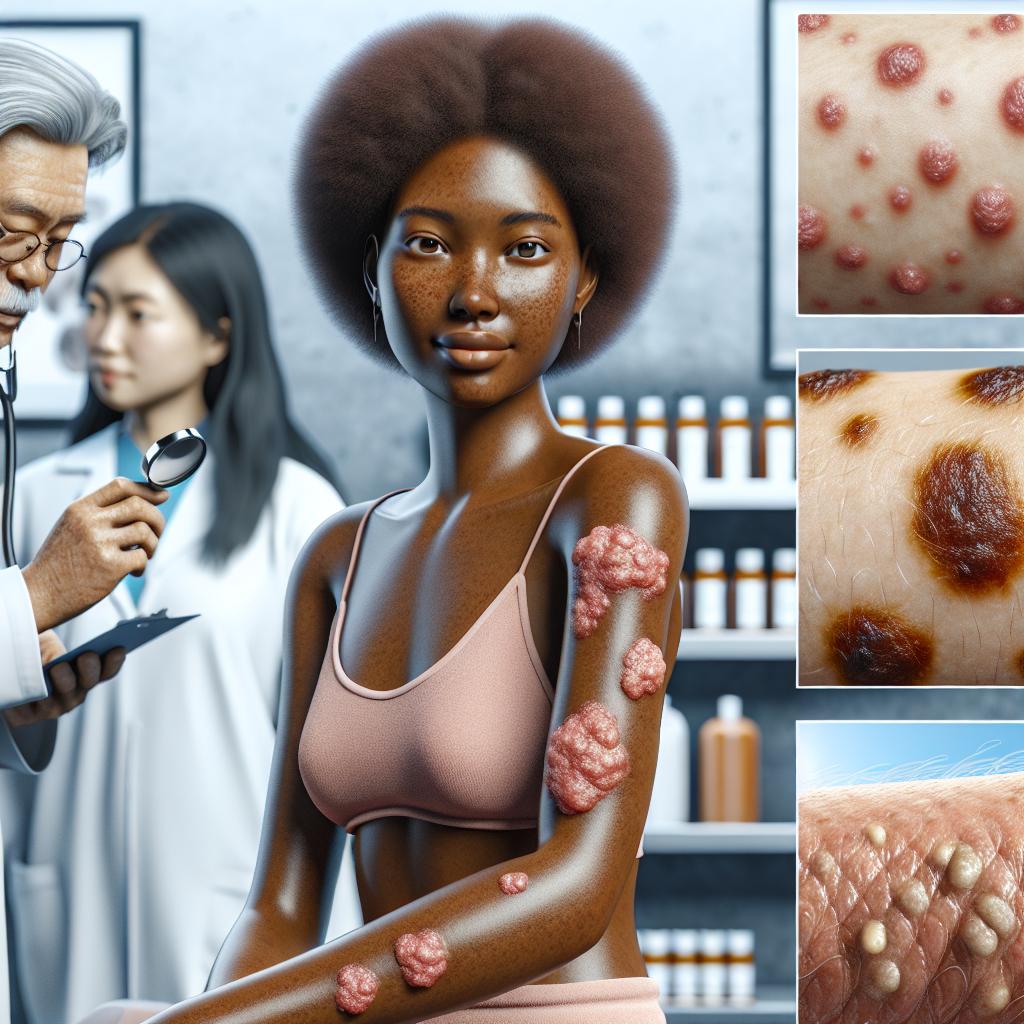
Keratosis refers to skin conditions involving abnormal keratinization, ranging from benign disorders like keratosis pilaris (KP) and seborrheic keratosis (SK) to premalignant actinic keratosis (AK), which may progress to squamous cell carcinoma. KP is a common genetic condition causing rough papules on arms and thighs, often linked to other systemic conditions. AK results from cumulative UV exposure, appearing as rough, scaly patches on sun-exposed skin and requires timely treatment. SK presents as benign wart-like growths increasing with age. Accurate diagnosis and dermatological evaluation guide appropriate management.
Causes, Symptoms, and Diagnosis
AK primarily arises from chronic ultraviolet radiation exposure, with higher risk in older, fair-skinned individuals and those with immunosuppression. KP has a genetic basis and appears in early childhood as rough bumps, mainly on upper arms and thighs. Diagnosis of keratosis types relies on clinical examination and patient history to differentiate from other skin disorders.
Treatment Approaches
Treatment of keratosis varies by type. For AK, lesion-directed therapies like cryotherapy and field-directed topical treatments such as 5-fluorouracil (5-FU), imiquimod, and diclofenac are standard. These treatments differ in efficacy, side effects, and duration, impacting patient adherence. KP management focuses on supportive care including moisturizers and gentle exfoliation.
Emerging and Novel Treatments
Tirbanibulin ointment, approved in 2020, is a newer topical agent for AK that inhibits tubulin polymerization and Src kinase signaling, offering a shorter treatment duration and milder side effects compared to traditional therapies. Topical NSAIDs like diclofenac and celecoxib are also under investigation. Photodynamic therapy remains highly effective but may have tolerability concerns. Combination and non-invasive regimens are being explored to improve outcomes.
Comparative Effectiveness and Patient Management
Among AK treatments, 5-FU, imiquimod, and photodynamic therapy show high clearance rates, while tirbanibulin provides a well-tolerated alternative with shorter treatment. Effective patient management involves individualized therapy selection based on lesion characteristics, treatment tolerability, and adherence considerations. AK is recognized as a chronic condition requiring ongoing surveillance to prevent progression to squamous cell carcinoma.
Molecular Mechanisms of Treatments
Tirbanibulin disrupts microtubule formation and inhibits Src kinase, inducing apoptosis in abnormal cells. Diclofenac reduces inflammation and promotes apoptosis by inhibiting COX-2. Other agents like 5-FU interfere with DNA synthesis, and imiquimod activates immune responses. Photodynamic therapy generates reactive oxygen species causing targeted cytotoxicity. These diverse mechanisms underpin current and emerging AK treatments.
Future Directions and Research
Research focuses on long-term efficacy, optimizing dosing regimens, and improving patient quality of life in keratosis management, especially for AK. Comparative studies of field therapies and integration of patient-centered outcomes are priorities. Advances in molecularly targeted treatments and non-invasive options aim to enhance safety and adherence. Broader investigations into chronic keratosis conditions like KP may improve supportive care strategies.
The content is provided by Blake Sterling, Scopewires


