
Summary
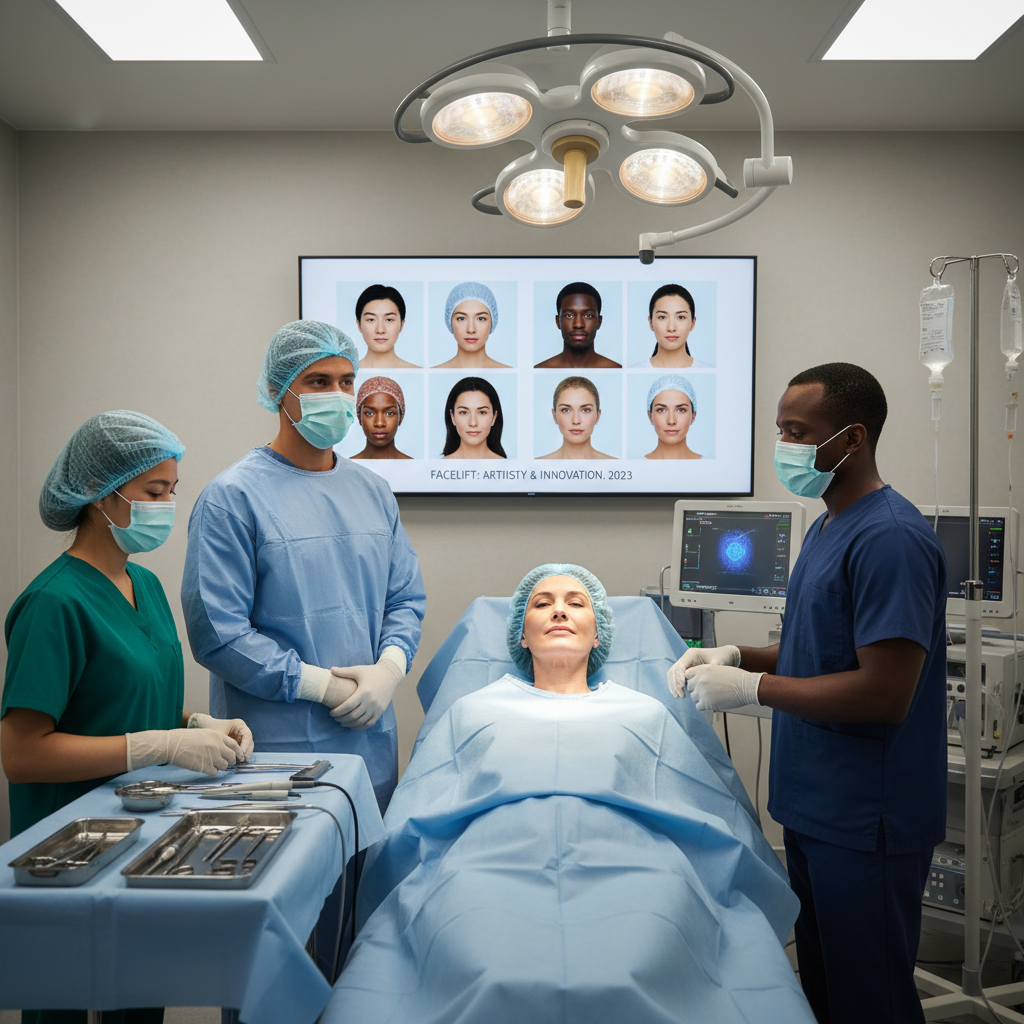
Unlock the Secrets to a Youthful Appearance: Your Complete Guide to Face Lifts in 2023 provides a comprehensive overview of facelift surgery, a popular cosmetic procedure designed to rejuvenate the face by reducing visible signs of aging. Facelifts address skin laxity, volume loss, and sagging, restoring youthful contours primarily in the mid and lower face. With advances in surgical techniques and technology, modern facelifts offer personalized approaches ranging from minimally invasive mini-facelifts to comprehensive deep plane lifts, enabling tailored treatments that improve facial aesthetics with more natural and longer-lasting results.
The guide outlines the history and evolution of facelift surgery, tracing its origins from early 20th-century innovations to current state-of-the-art methods incorporating sophisticated anatomical understanding and technological integration such as 3D imaging and endoscopic assistance. It details various types of facelifts available in 2023, including traditional full facelifts, mid-facelifts (cheek lifts), mini-facelifts, and emerging minimally invasive techniques, highlighting their indications, benefits, and recovery profiles.
Patient selection, surgical planning, and post-operative care are emphasized as critical factors for achieving optimal outcomes, with an understanding of facial aging mechanisms—such as collagen and elastin degradation—guiding procedural choice. The guide also discusses common risks and complications, which, while generally infrequent, require careful management to ensure safety and patient satisfaction. Additionally, it addresses the role of adjunctive non-surgical treatments and the importance of culturally sensitive approaches in cosmetic surgery, recognizing how societal and ethnic factors influence perceptions and acceptance of facial rejuvenation procedures worldwide.
Despite its widespread popularity and advances, facelift surgery continues to face challenges including variability in longevity of results, cost and accessibility disparities, and ethical considerations surrounding cosmetic interventions. Nevertheless, ongoing innovations in surgical techniques and supportive technologies aim to enhance efficacy, reduce invasiveness, and expand access to facelift procedures, maintaining their status as a leading option for facial rejuvenation in 2023.
Definition and Overview
A face lift is a cosmetic surgical procedure aimed at rejuvenating the appearance of the face by reducing signs of aging. Among the various types of face lifts, the cheek lift, also known as a midface lift, specifically targets the upper cheeks and lower eyelid areas. This procedure lifts and smooths these regions, which often flatten and lengthen as a natural part of aging. Unlike traditional facelifts that primarily focus on the lower face and neck, a cheek lift concentrates on restoring youthful contours to the midface area.
Understanding the different facelift types and techniques is crucial for achieving optimal results. Techniques include deep plane facelifts, superficial muscular aponeurotic system (SMAS) flap rhytidectomy, and minimal access cranial suspension facelifts, among others. Each approach considers patient-specific anatomy and aesthetic goals, allowing surgeons to customize procedures for the best outcome.
In addition to technical knowledge, successful midface lifting requires interdisciplinary collaboration among healthcare professionals. Effective communication and coordination enhance patient-centered care and ensure that practitioners stay current with evolving surgical methods through continuous education.
History
The history of facelift procedures dates back to the early 20th century, with the earliest documented facial plastic surgery originating from ancient Egyptian times. The first facelift-type surgery was performed in 1901 in Germany by surgeon Eugen Hollander, who carried out a modified procedure to lift the cheeks and mouth of a Polish patient. Shortly thereafter, in 1907, the first book on facial cosmetic surgery was published in Chicago, and in 1919, Dr. Passot published one of the earliest papers on face-lifting techniques involving the elevation and redraping of facial skin to tighten contours and reduce wrinkles.
Significant advancements followed, particularly after World War II, when the advent of antibiotics and improvements in anesthesia made more aggressive facelift techniques feasible. In 1969, Swedish plastic surgeon Tord Skoog pioneered a procedure involving dissection along the superficial fascia, which resulted in longer-lasting rejuvenation effects. This technique marked a turning point in facelift surgery, contributing to the evolution of modern rhytidectomy.
Throughout the 20th century, facelift methods continued to evolve with a focus on achieving more natural-looking and durable outcomes. Today, facelift surgery benefits from over a century of innovation, blending historical techniques with contemporary advancements to restore a youthful and rejuvenated facial appearance.
Types of Face Lifts in 2023
Face lift procedures in 2023 encompass a variety of surgical techniques designed to target specific areas of the face and neck, offering patients options tailored to their individual aging concerns and desired outcomes. These procedures range from minimally invasive techniques with shorter recovery times to more comprehensive surgeries addressing deeper facial structures.
Mini-Facelift
The mini-facelift is a less invasive procedure focusing primarily on the lower face and neck area. It is often recommended for younger patients who exhibit early signs of facial sagging and maintain good skin elasticity. This procedure involves smaller incisions and minimal tissue disruption compared to traditional facelifts, resulting in quicker recovery times and reduced scarring. However, it generally offers less dramatic and shorter-lasting results than more extensive surgeries.
Classic Full Facelift
Also known as the traditional facelift, the classic full facelift is typically suited for individuals experiencing significant signs of aging. This more involved procedure combines lifting and tightening of the skin, removal of excess tissue, and repositioning of underlying facial muscles, particularly the superficial musculoaponeurotic system (SMAS). Incisions are discreetly placed along the hairline to minimize visible scarring. The technique aims to restore youthful facial contours while avoiding an unnatural “facelift” appearance. It often includes components such as lower facelift for the jawline and mid facelift for the cheek area.
Mid-Facelift (Cheek Lift)
The mid-facelift specifically targets the cheek or midface region, addressing sagging and volume loss in this area. It is considered a more innovative and minimally invasive approach, sometimes referred to as a cheek lift. This procedure can be performed alone or combined with other lifts to enhance overall facial rejuvenation. The mid-facelift restores youthful fullness to the cheeks without the extensive recovery associated with traditional full facelifts.
Deep Plane Facelift
The deep plane facelift is a comprehensive surgical technique that repositions deeper layers of facial tissue and muscles beneath the SMAS layer. By addressing multiple areas of the face simultaneously, this method provides longer-lasting and natural-looking rejuvenation. It involves more extensive tissue manipulation, which can lead to increased postoperative swelling and requires a highly experienced surgical team for optimal patient management and recovery.
Cutaneous (Skin) Facelift
This type of facelift focuses primarily on the skin layer, usually targeting the neck and lower face. It is less invasive than deeper tissue lifts but may be combined with other procedures for enhanced results. Cutaneous facelifts typically involve tightening the skin to reduce sagging and wrinkles, often suitable for patients with mild to moderate aging signs.
Endoscopic Facelift
A modern, minimally invasive approach, the endoscopic facelift utilizes small incisions and a camera-equipped endoscope to visualize and lift facial tissues. This technique offers precise contouring with minimal scarring and shorter recovery periods. It represents an advancement over traditional open surgeries, appealing to patients seeking effective yet less invasive facial rejuvenation.
Combination Procedures
Facelift surgeries are frequently combined with other cosmetic procedures such as eyelid surgery (blepharoplasty), brow lifts, neck lifts, or nose reshaping to achieve a harmonious and comprehensive rejuvenation of the face. Combining procedures allows for more balanced facial enhancement tailored to the patient’s needs.
Mechanisms of Facial Aging and Their Impact on Facelift Choice
Facial aging is a complex process primarily driven by changes in the skin and underlying soft tissues, which directly influence the choice and effectiveness of facelift procedures. The most commonly addressed issue in facial rejuvenation is skin laxity, resulting from the cumulative effects of gravity that loosen the skin and deeper facial layers over time. As individuals age, the skin’s resilience diminishes due to structural and biochemical alterations within the dermis, the layer responsible for skin strength and elasticity.
The dermis contains collagen, elastin, and glycosaminoglycans, all crucial for maintaining skin’s firmness, elasticity, and hydration. Collagen provides mechanical support, while elastin allows the skin to stretch and recoil, and glycosaminoglycans regulate moisture levels. With intrinsic aging, collagen synthesis decreases, elastin fibers degrade, and glycosaminoglycans accumulate in disorganized forms that impair hydration. These changes lead to thinning, weakening, and reduced elasticity of the skin. Extrinsic aging, largely influenced by environmental factors like sun exposure, accelerates elastin degradation—a process known as solar elastosis—further compromising the skin’s structural integrity and causing pronounced wrinkles and laxity.
These dermal alterations manifest externally as sagging skin, jowls, deep wrinkles, and loose neck tissue, which are typical targets for facelift surgery. The choice of procedure depends on the specific aging signs present; for example, patients desiring correction primarily around the eyes or neck may opt for eyelid or neck lifts instead of a full facelift. Facelift surgery (rhytidectomy) aims to restore a youthful appearance by removing excess sagging skin, tightening deep facial tissues, and improving facial contours, particularly around the cheeks, jawline, and neck. This comprehensive approach not only reduces wrinkles but also enhances facial definition and overall aesthetics.
Understanding the underlying mechanisms of facial aging is essential for tailoring facelift techniques to individual patient needs, optimizing surgical outcomes, and achieving a natural, rejuvenated appearance. Surgeons must consider the degree of skin laxity, collagen and elastin degradation, and specific areas affected to select the most appropriate procedure.
Patient Selection Criteria and Clinical Indications
Patient selection for facelift procedures primarily includes individuals aged between 22 and 70 years who present with aesthetic concerns related to facial aging and seek surgical intervention such as endoscopic facelift with or without neck lift. Candidates with a history of major facial trauma, congenital or acquired facial asymmetry, neuromuscular disorders affecting facial anatomy, or systemic conditions that may impair wound healing or recovery are generally excluded from surgical consideration to optimize outcomes and minimize complications.
Comprehensive facial analysis and photographic documentation from multiple angles—including frontal, lateral, oblique, and base views—are essential in assessing the patient’s specific aging patterns, facial asymmetries, contour irregularities, and hairline position. This detailed evaluation ensures alignment of patient and surgeon expectations and guides the choice of appropriate facelift technique. For patients primarily concerned with jowls or neck sagging, with or without platysmal banding, procedures such as SMAS rhytidectomy combined with cervicoplasty are recommended. Conversely, those presenting with deep melolabial folds or significant malar fat descent may benefit more from a deep-plane rhytidectomy or an adjunctive mid-face lift.
The degree of facial aging heavily influences the surgical approach. A classic full facelift, often indicated for significant aging changes, involves discreet incisions within the hairline to tighten and lift the skin, excise excess tissue, and tighten underlying facial muscles. This procedure may encompass both lower facelift components targeting the jawline and mid facelift techniques focusing on the cheek area. The mid facelift, considered a less invasive alternative sometimes referred to as a cheek lift, aims to rejuvenate the mid-face region with reduced operative complexity and recovery time.
Pre-Operative Preparation
Before undergoing a facelift surgery, a thorough pre-operative preparation is essential to ensure the best possible outcomes and minimize risks. The process begins with a comprehensive consultation that includes a detailed medical history, physical examination, and psychological evaluation. Patients are encouraged to bring a companion, such as a spouse, to the visit and to ask any questions to fully understand the surgical procedure, expected improvements, and post-operative care requirements.
Following the consultation, the surgeon will provide specific instructions tailored to the patient’s needs to prepare for surgery. These guidelines often cover lifestyle modifications, such as drinking, smoking cessation, and the management of medications and vitamins that could affect the surgery or recovery. Additionally, the surgeon will conduct a clinical examination, including measurements and clinical photographs of the face and neck, to aid in detailed surgical planning and to recommend the most appropriate facelift procedure.
In preparation for surgery, establishing a gentle and effective skincare routine is recommended. This includes removing makeup, using a mild cleanser, applying antioxidant serums and hydrating creams, and most importantly, using a broad-spectrum sunscreen with at least SPF 30 to protect the skin. This skincare protocol not only primes the skin for surgery but also supports healing and long-term skin health after the procedure.
Close monitoring of the skin’s condition before surgery is also important, as some common issues like rashes can arise due to the drying effects of skin preparations used during surgery. Being vigilant about skin responses and communicating any concerns to the surgeon helps to identify and manage potential complications early.
By adhering closely to these pre-operative preparations, patients can contribute significantly to the success of their facelift procedure and ensure smoother recovery and sustained youthful results.
Surgical Techniques and Procedure Details
Facelift surgery involves several surgical techniques aimed at restoring a youthful facial appearance by tightening skin and underlying structures. One of the most commonly performed procedures is the SMAS facelift (superficial musculoaponeurotic system rhytidectomy), which targets the lower two-thirds of the face. This technique tightens the muscular layer beneath the skin and trims excess skin and fat in the cheeks and lower face, resulting in improved facial contouring and a natural-looking rejuvenation.
Another advanced approach is the deep plane facelift, which addresses deeper facial structures beyond the SMAS layer. By repositioning and lifting these underlying tissues, this technique achieves a more comprehensive and longer-lasting facial rejuvenation. In contrast, the mini facelift serves as a less invasive alternative to traditional facelifts. It involves smaller incisions and minimal tissue dissection, making it suitable for patients with early signs of aging or those seeking subtle enhancements.
The surgical procedure typically begins with incisions that often start in front of the earlobe, wrap around behind the ear, and end in the posterior hairline. These incisions are strategically placed to be well concealed within natural facial contours and hairlines once healed. The incisions are closed with sutures, which may either dissolve or be removed a few days post-surgery, and some surgeons use skin adhesives to facilitate healing.
Preoperative consultation is a critical step before surgery, involving a thorough history, physical examination, and psychological evaluation to ensure patient readiness. Patients are encouraged to bring a companion and ask questions to fully understand the procedure, expected improvements, and postoperative care requirements. During surgery, local anesthesia may be administered for minor procedures, but more extensive facelifts typically require general anesthesia for patient comfort and safety.
Postoperative care demands vigilant monitoring for complications such as skin rashes, which can occur due to drying effects from skin preparations used during surgery. Early identification and management of such issues are essential to optimize healing and aesthetic outcomes.
Post-Operative Care and Recovery
Recovery from a facelift occurs in stages and varies significantly between individuals. Immediately following surgery, patients are taken to a recovery area for close monitoring. While many patients are allowed to go home within a few hours, some may require an overnight stay or longer hospitalization depending on the extent of the procedure and postoperative condition. Notably, facelift surgeries are often associated with increased postoperative swelling compared to traditional open techniques, necessitating vigilant patient management by an experienced surgical team, including trained scrub nurses and postoperative care staff.
Proper post-operative care is crucial for promoting skin health, aiding the healing process, and ensuring long-lasting results. Patients are advised to follow a gentle skincare regimen using mild products to nurture and preserve the renewed appearance of the skin. Rigorous sun protection and maintaining adequate hydration are essential components of this care to support skin elasticity and facilitate recovery. Additionally, adherence to the surgeon’s guidance regarding skincare practices is imperative to smooth recovery and optimal outcomes[
Benefits, Outcomes, and Limitations
Facelift surgery offers several benefits aimed at restoring a youthful and refreshed facial appearance. One primary advantage is the improvement in facial contours, particularly around the jawline, which can often be assessed by a simple self-test: gently pulling up and back on the skin near the ears. If this maneuver enhances the jawline, the individual may be a good candidate for the procedure. Advances in surgical techniques since the 1990s have also emphasized restoring lost facial volume while minimizing visible scars, resulting in more natural-looking and longer-lasting outcomes tailored to individual patient needs.
Outcomes of facelift surgery are generally positive, with most patients experiencing significant rejuvenation that can last between 8 to 12 years depending on factors such as technique and patient-specific characteristics. Additional treatments, including chemical peels, laser therapies, and non-surgical interventions like thread lifts, dermal fillers, or ultrasound-based skin tightening, can complement facelift results and help maintain a youthful appearance over time. Furthermore, collective assessments by patients and observers indicate that facelift procedures effectively reduce perceived age, with observer ratings closely matching actual patient age reductions, supporting the surgery’s societal impact on appearance perception.
Despite these benefits, there are limitations and challenges associated with facelifts. Quantitative evidence measuring the surgery’s influence on societal perceptions remains limited. While the stigma surrounding plastic surgery has decreased considerably, misconceptions and obstacles—such as beliefs about the necessity of cosmetic surgery—persist in various cultural contexts. Additionally, the longevity and extent of facelift results vary, and some patients may require adjunctive treatments to sustain their outcomes. Ongoing innovations and refinements in facelift techniques continue to address these limitations by enhancing efficacy, safety, and patient satisfaction.
Risks and Complications
Facelift surgery, like any surgical procedure, carries certain risks and potential complications, though serious issues are relatively rare. Common side effects include prolonged swelling, pain, and noticeable scarring, which may vary depending on individual healing responses. Anesthesia-related complications, such as adverse reactions, are also possible and require careful medical supervision.
One of the more frequent postoperative concerns is the development of hematomas, which involve blood collection under the skin in the surgical area and may necessitate further intervention. Additionally, wound healing issues can occur, leading to delayed recovery or infection, emphasizing the importance of vigilant postoperative care. Skin irritation, including rashes, is another relatively common problem often linked to the drying effects of skin preparations used during surgery.
Nerve injury represents a significant but uncommon risk, potentially resulting in facial nerve weakness, numbness, or altered skin sensation. These effects can be temporary or, in rare cases, permanent. Infection remains a concern, as with all surgeries, highlighting the necessity of sterile techniques and appropriate antibiotic use.
Technological and Surgical Innovations in 2023
The facelift landscape in 2023 showcases a dynamic blend of both surgical and non-surgical advancements aimed at enhancing facial rejuvenation while minimizing invasiveness and recovery time. Modern surgical techniques have evolved significantly from traditional, highly invasive procedures to more refined, minimally invasive methods such as mini facelifts and endoscopic facelifts. These approaches target specific facial areas like the lower face and neck, offering impressive results with shorter recovery periods and reduced scarring. Endoscopic facelifts, for example, utilize small cameras and specialized instruments to lift and rejuvenate facial tissues with enhanced precision.
Technological innovations have also played a crucial role in improving surgical planning and outcomes. The integration of 3D imaging and AI-driven simulations allows surgeons to customize procedures more accurately, resulting in natural and youthful facial appearances tailored to individual patient anatomy. Additionally, customized implants and prosthetics produced through 3D printing technology are emerging as precise solutions for facial reconstruction, though their widespread adoption is currently limited by high costs.
Non-surgical technologies complement these surgical methods by addressing skin laxity and texture through controlled heat applications, such as radiofrequency treatments, which stimulate collagen and elastin synthesis—key components responsible for skin firmness and elasticity. Furthermore, combining treatments like microneedling with growth factor serums has shown synergistic effects in activating healing mechanisms and boosting collagen production, enhancing overall skin quality.
Emerging modalities, including cooling combined with laser treatments, are being explored to improve skin texture and laxity; however, their long-term effects and safety profiles require further clinical investigation. Ultrasound and laser therapies continue to refine facelift procedures by enabling more precise and less invasive interventions, leading to faster recovery times and minimized scarring compared to traditional methods.
Collectively, these surgical and technological innovations underscore a shift toward personalized, minimally invasive facial rejuvenation strategies that prioritize efficacy, safety, and patient comfort in 2023.
Popularity, Demographics, and Societal Trends
The popularity of cosmetic procedures, particularly face-lift surgeries, has been on a consistent rise in recent years. In the United States, there was a 17% increase in cosmetic surgical procedures between 2011 and 2015, with face-lifts remaining one of the most commonly performed facial cosmetic operations. This trend reflects a broader societal emphasis on facial aesthetics, which significantly influence social and occupational interactions. Studies have shown that individuals perceived as more attractive are often attributed with more positive qualities and greater success in hiring decisions. Consequently, an improved facial appearance is generally associated with enhanced self-image and social benefits.
Demographically, face-lift candidates typically fall within the age range of 40 to 60 years, although younger and older individuals may also undergo the procedure depending on individual circumstances. The demographic patterns suggest that aging populations seek these surgeries to maintain a youthful appearance and social vitality.
Beyond the United States, cosmetic treatments are gaining popularity across various regions, including the Middle East. For instance, in the United Arab Emirates, skin and nose procedures are among the most sought-after treatments. A study of undergraduate students in Saudi Arabia revealed that while cosmetic surgery interest exists, many students cited a lack of personal need as a primary barrier to undergoing such procedures. Cultural perceptions play a crucial role in shaping attitudes toward cosmetic surgery; for example, an Iranian study noted that some individuals perceive cosmetic surgery as a beneficial gift that could improve their future prospects.
The influence of cultural and ethnic factors on beauty standards and cosmetic surgery acceptance is complex and varies widely. Research highlights the need for a nuanced understanding of how different societies perceive aesthetic enhancements, as this knowledge can facilitate the development of culturally sensitive cosmetic procedures and improve their acceptance worldwide.
Cost and Accessibility
The cost of facelift procedures varies widely depending on factors such as the type of facelift, geographic location, surgeon expertise, and facility fees. Generally, a mid-facelift can range from $6,000 to $8,000, but in some areas, prices may reach as high as $15,000. Traditional facelifts performed by experienced surgeons, such as Dr. Küçükgüven, typically cost between £15,000 and £20,000, while mini facelifts are offered at lower prices ranging from £4,000 to £8,000. Non-surgical facelift options are often more affordable, with prices starting around £1,500. Because facelift procedures are elective cosmetic treatments, they are usually not covered by insurance.
Accessibility to facelift procedures has improved considerably over time. Procedures that were once considered risky and exclusive to wealthy individuals have become more commonplace and affordable for the general public. Alongside this, the social stigma surrounding plastic surgery has diminished as more people openly discuss their experiences and celebrities publicly endorse cosmetic procedures. However, cultural and ethnic differences play a significant role in how cosmetic surgery is perceived, and inconsistent study methodologies have made it challenging to fully understand these variances. Greater insight into diverse aesthetic standards and attitudes could help broaden the acceptability and accessibility of cosmetic surgery across different societies.
Emerging technologies are also influencing accessibility by offering a range of surgical and non-surgical options. Innovations such as the combination of cooling and laser treatments address skin laxity and texture with less invasiveness, although long-term effects remain under study. Additionally, advancements in 3D printing allow for customized implants and prosthetics to improve facial reconstruction, albeit at higher costs. These developments contribute to a dynamic landscape of facelift procedures, potentially making effective treatments more widely available in the near future.
Cultural and Ethical Perspectives
Cultural and ethnic differences significantly influence perceptions and acceptance of cosmetic surgery, including face-lift procedures. Recent literature highlights the diversity in beauty standards across various ethnicities and cultures, with particular attention to female facial aesthetics. These differences affect how cosmetic surgery is viewed and sought after in different regions of the world.
For example, surveys conducted in the Middle East indicate growing popularity of cosmetic treatments, especially those focusing on the skin and nose. However, attitudes toward such procedures vary; in Saudi Arabia, many undergraduate students cited a lack of perceived necessity as a primary barrier to undergoing aesthetic surgery. In contrast, some Iranian participants viewed cosmetic surgery positively, considering it a beneficial intervention that could aid their future well-being. Such findings underscore the complex interplay between cultural beliefs and the acceptance of cosmetic procedures.
The variability in how cultural and ethnic factors are measured and interpreted across studies presents challenges in comparing quantitative data. Nonetheless, understanding these differences is crucial for tailoring cosmetic surgery techniques and consultations to align with patients’ cultural values and aesthetic aspirations. This knowledge can enhance patient satisfaction and broaden the acceptability of cosmetic surgery globally.
Ethically, these cultural perspectives raise important considerations for practitioners. Surgeons must be sensitive to patients’ backgrounds and motivations, ensuring that procedures like face-lifts are performed with respect for individual cultural contexts and informed consent. This approach helps mitigate potential ethical dilemmas related to body image, societal pressures, and the commercialization of beauty.
Notable Surgeons, Clinics, and Contributions
The evolution of facelift surgery has been shaped by the pioneering work of various surgeons and specialized clinics that have introduced innovative techniques aimed at improving patient outcomes. During the 1990s, a significant shift occurred as surgeons began to focus on restoring lost facial volume and minimizing the appearance of scars, moving away from traditional methods that often resulted in less natural-looking results. This approach emphasized customization, allowing procedures to be tailored to individual patient needs and goals, which in turn enhanced satisfaction and produced long-lasting, natural-looking outcomes.
Clinics like The Cosmetic Surgery Center have been instrumental in advancing this patient-centered philosophy. By working closely with patients, these centers ensure that each facelift procedure aligns with the patient’s unique aesthetic goals, contributing to higher confidence and improved overall well-being post-surgery. Additionally, ongoing research into psychosocial factors influencing patients’ motivations for cosmetic surgery, as highlighted by von Soest et al., has enriched the understanding of patient needs and informed surgical approaches to better address both physical and psychological aspects of facial rejuvenation.
Despite ongoing innovations, the field remains attentive to preserving the classic principles of surgical precision while integrating new techniques, which continues to fuel improvements in facelift procedures and patient satisfaction.
Frequently Asked Questions (FAQs)
Q: How accurate are age estimations based on facial appearance after a face-lift surgery?
A: Age estimations based on the mean ratings of a large group of observers closely approximate the actual age of patients. This phenomenon, originally described by Sir Francis Galton, indicates that collective assessments tend to be more accurate than those made by individuals or even experts. Studies have shown that the mean estimated age by observers was not significantly different from the actual mean age of patients undergoing face-lift surgery, reinforcing the reliability of societal perceptions in evaluating surgical outcomes.
Q: What other attributes besides age are assessed when evaluating face-lift results?
A: In addition to estimated age, observers often rate attributes such as attractiveness, perceived success, and overall health. These ratings are typically recorded on a visual analog scale ranging from 0 to 100, where higher scores indicate more positive perceptions. Such multi-dimensional assessments provide a comprehensive understanding of the aesthetic and social impact of face-lift procedures.
Q: Why is the collective perception important in assessing face-lift surgery outcomes?
A: Collective perception harnesses the “wisdom of the crowd,” which tends to reduce individual bias and provide a more accurate reflection of societal views. This is particularly valuable in aesthetic surgery, where the patient’s appearance is judged within a social context. The alignment between collective observer ratings and actual patient data strengthens confidence in using these evaluations to gauge the true effect of face-lift surgeries as perceived by society.
Q: How are these assessments of facial appearance typically conducted in research?
A: Researchers use standardized patient images and ask a large group of observers to rate various facial attributes on a visual analog scale. This method allows for quantitative comparison before and after face-lift surgery, facilitating objective analysis of perceived changes in age, attractiveness, success, and health.
The content is provided by Blake Sterling, Scopewires