
Highlights
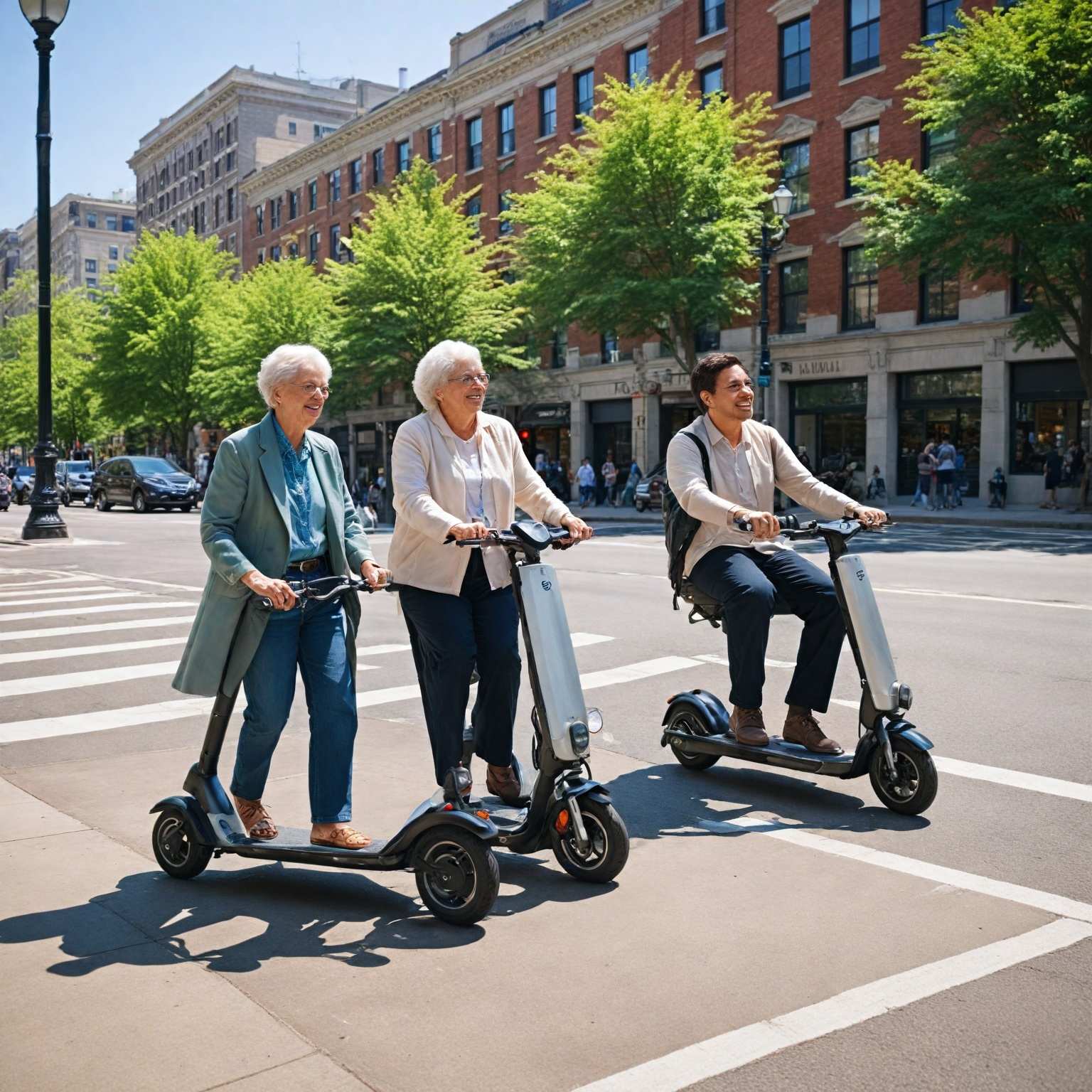
- Mobility scooters enhance independence and quality of life for millions with limited mobility.
- Understanding diverse scooter types and technologies helps users choose the right solutions for their needs.
Summary and History
Mobility scooters, invented in 1968 by Allan R. Thieme, have evolved from simple motorized chairs into advanced devices that enhance independence for individuals with limited mobility. As populations age, these scooters enable users to navigate daily activities and social engagements more freely. Various types, such as heavy-duty, travel, and three- or four-wheel models, cater to different terrains and needs, incorporating diverse motor and battery technologies. Despite legal and regulatory complexities and challenges like transportation and urban accessibility, mobility scooters remain vital tools for empowerment and equitable mobility.
Types and Features
Mobility scooters vary from heavy-duty models supporting up to 550 pounds and all-terrain versions for rough surfaces, to compact travel scooters designed for portability. Standard scooters balance sturdiness and everyday use, while three-wheel models offer greater maneuverability indoors, and four-wheel scooters provide stability outdoors. Motor types include brushed and brushless DC motors, with brushless preferred for efficiency and durability. Battery options range from sealed lead acid (AGM and gel) to lighter, longer-lasting lithium batteries. Scooters come in various sizes and typically require car transport due to limited folding capability. Key features include swivel seats, handlebar or tiller steering, and safety controls such as speed regulation and lighting.
Usage, Benefits, and Challenges
Mobility scooters assist individuals, especially older adults, in maintaining independence and accessing essential destinations, contributing to improved social engagement and mental well-being. Over half of users report increased independence, and many find it easier to socialize. However, challenges include physical barriers, social stigma, and inconsistent public transport accommodations. Many users acquire scooters without professional advice, emphasizing the need for better guidance. Legislation like the Equality Act supports reasonable accommodations, but affordability and safety remain concerns. Proper training and infrastructure improvements are necessary to enhance user experience and safety.
Regulations and Urban Accessibility
Mobility scooter regulations vary by jurisdiction, balancing user access and public safety. In the U.S., federal laws protect access to public spaces, though local rules may restrict sidewalk use or impose fines. Age and licensing requirements are generally minimal, but users must be aware of specific regional laws. Urban infrastructure improvements focus on accessible sidewalks, curb cuts, and dedicated parking spaces to facilitate safe navigation. Public transportation systems are required under the ADA to accommodate scooters, though accessibility levels differ. Users are encouraged to understand local regulations to ensure safe and legal operation.
Maintenance and Care
Regular maintenance, especially of batteries, is crucial for safe scooter operation. Common batteries include sealed gel and AGM types, with lithium batteries offering lighter weight and longer life. Proper handling of battery terminals is important to avoid hazards. Medicare may cover part of the cost with a doctor’s order. Transporting scooters usually requires a car, and users should follow safety practices and seek professional assistance for repairs and servicing to extend device longevity and ensure safety.
Innovations and Future Trends
Advancements in mobility scooters include AI-enhanced navigation, telematics for remote support, and eco-friendly technologies like solar power. Lithium batteries are increasingly popular due to their light weight and durability. Urban planning adapts by creating accessible routes and secure parking, while public transit evolves to better accommodate scooters. Community engagement and collaboration among manufacturers, service providers, and organizations aim to improve accessibility and integration, promoting mobility scooters as essential tools for independence and quality of life.
The content is provided by Blake Sterling, Scopewires


