
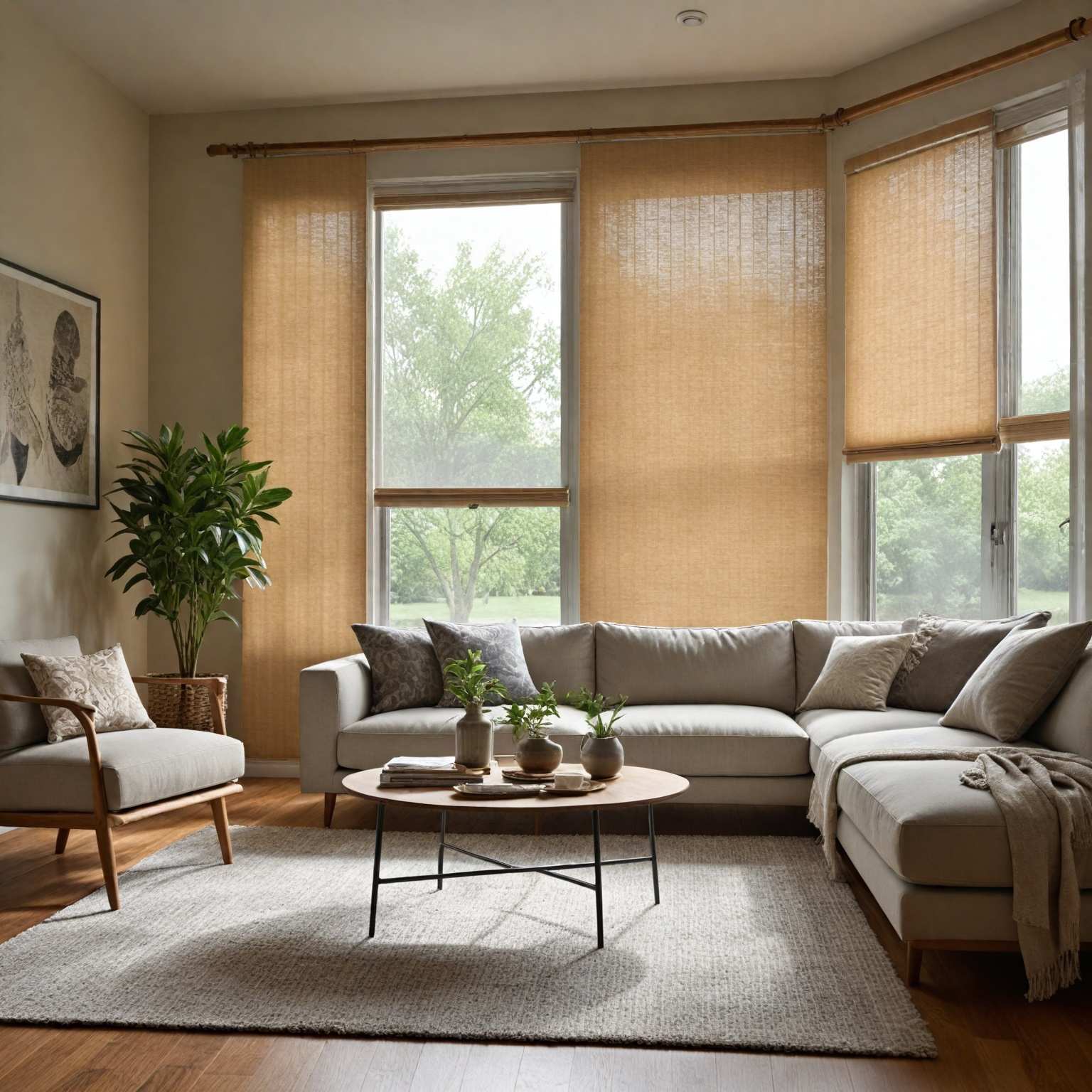
Highlights
- Vertical blinds combine style and functionality, making them essential for modern homes, especially large windows and sliding doors.
- The 2025 market focuses on sustainable materials and innovations in smart home integration to enhance energy efficiency.
- Design trends favor neutral tones and textured fabrics, creating calming environments while maintaining practicality and elegance.
Summary and Overview
Vertical blinds have evolved into versatile, stylish window treatments favored for large windows and sliding doors. In 2025, they combine functionality in light control and privacy with adaptability to various interior styles, available in materials from PVC and polyester to wood and eco-friendly fabrics. Sustainability is a key market focus, with manufacturers using bamboo, recycled plastics, and organic fabrics alongside greener production practices. Smart home integration enhances convenience and energy efficiency, potentially saving up to 30% energy in commercial settings. Design trends favor neutral tones and textured fabrics like velvet and silk for warmth and soundproofing. Despite premium pricing and challenges balancing sustainability with safety standards, vertical blinds remain a growing element in modern home design.
Materials, Design Trends, and Advantages
Modern vertical blinds come in materials such as rigid and soft PVC, polyester, fabric, faux wood, and premium wood, offering varied aesthetics and durability. Fabric blinds provide a soft, drapery-like appearance while filtering light and serving as room dividers. The 2025 design trends emphasize neutral and earthy colors with textured fabrics to enhance minimalistic interiors. Sustainability drives the use of recycled and responsibly sourced materials, and energy-efficient options help regulate indoor temperatures.
Vertical blinds offer versatile light and privacy control, from blackout to light-filtering fabrics, and contribute to energy efficiency by insulating against heat gain and loss. PVC and vinyl options are easy to maintain, suitable for moisture-prone areas. Fire-retardant polyester fabrics ensure safety compliance for residential and commercial use.
Cost and Market Comparison
Costs vary widely based on materials and features. Vinyl and synthetic blinds are more affordable, while wood and leather options are pricier. Installation averages around $756 for eight windows but can vary. The global blinds and shades market is valued at $14.82 billion in 2024, projected to reach $24.63 billion by 2030 with a 9.1% CAGR, driven by renovation trends and demand for smart and eco-friendly products. Motorized smart blinds add $300 to $700 in cost but offer automation benefits. Textured fabrics like velvet and silk may increase prices but add soundproofing and insulation benefits.
Compared to horizontal blinds, vertical blinds suit sliding doors and large windows better, offering modern aesthetics and multifunctional use as light filters and room dividers. Neutral tones and minimalist designs support their popularity, though aging blinds may require maintenance.
Sustainability and Environmental Impact
Sustainability dominates the 2025 vertical blinds market, with widespread use of bamboo, recycled plastics, organic cotton, and eco-friendly fabrics reducing environmental impact. Energy-efficient motorized blinds contribute to up to 30% energy savings in commercial buildings and align with green certifications like LEED. Manufacturers adopt low-VOC materials and replace plastic packaging with recycled or plant-based alternatives. The industry balances environmental goals with safety standards such as fire retardancy and certification compliance.
Regional Markets and Consumer Preferences
North America leads with a 32% market share, driven by energy codes and smart-home adoption. Asia Pacific is the fastest-growing region, expanding at an 11.2% CAGR due to urbanization and rising incomes. Commercial buildings account for 55% of global revenue, with growing demand for sustainable, automated blinds. Consumers favor smart home compatibility and GREENGUARD-certified, low-VOC products. While physical stores remain important, online sales are growing rapidly with enhanced digital tools and DIY trends.
Future Outlook and Innovations
The vertical blinds market is projected to grow at a 7% CAGR, fueled by demand for smart technology, energy efficiency, and customization. Smart home integration enables control via voice, apps, or automation, with the electric blinds segment expected to grow at 22% CAGR through 2034. Although smart blinds carry a price premium, they reflect consumer preference for convenience and seamless IoT integration.
The content is provided by Blake Sterling, Scopewires


