Highlights
- Walk-in showers combine modern aesthetics with accessibility, enhancing your bathroom experience.
- Selecting mid-range materials and comparing bids can help manage installation costs effectively.
Summary
Walk-in showers provide a spacious and modern alternative to traditional installations, with costs ranging from $1,000 for basic units to over $20,000 for custom designs. Key factors affecting cost include size, materials, labor, and local regulations. Choosing the right materials and professional help can optimize both budget and long-term maintenance.
Factors Affecting Cost
Understanding what influences the cost of a walk-in shower installation is crucial for informed decision-making. The type of materials, shower size, design features, and labor complexity can all have significant impacts on the total expense. Homeowners can manage costs by anticipating these variables early in the project planning phase.
Materials and Design Features
The selection of materials and custom design elements greatly affects costs, showing that many homeowners find upgrades can significantly increase their budget. Options range from affordable acrylic to expensive natural stone; mid-range choices like tile and glass doors can also elevate expenses. Prioritizing materials that balance aesthetics with maintenance can yield long-term value.
Size and Layout
Shower size is pivotal in determining costs, with larger dimensions requiring more materials and labor. Standard sizes often average around $7,000, while adding custom features can drive costs higher. Strategic planning around size can maximize functionality without unnecessary expenditure.
Labor and Installation Complexity
Labor costs vary based on installation complexity. Basic prefab units are less expensive, while custom tile work adds time and labor costs. Changes to plumbing configurations may lead to substantial additional expenses, so careful planning is essential to avoid surprises.
Plumbing and Structural Considerations
Addressing plumbing and structural challenges can influence project costs significantly, with many homeowners facing unexpected repairs. Materials such as copper are durable but more expensive than alternatives. Understanding local building codes is essential for compliance and may affect both budget and design options.
Strategic Spending
Balancing where to allocate budget for splurge versus saving can drastically shape the outcome of a renovation. Thoughtful choices on materials combined with hiring qualified professionals can avoid costly mistakes. Homeowners can fine-tune their expenditures to align with both aesthetics and functionality.
Cost Breakdown
Walk-in shower installations generally range from $1,000 to $20,000, with most homeowners spending around $6,500. Material costs typically account for a major portion of the total budget, so understanding which materials provide balance between longevity and cost is important.
Materials vs. Labor
Materials constitute about 91.5% of total expenses while labor accounts for only about 8.5%. Selecting prefabricated options can efficiently keep material costs lower. It’s essential to weigh the benefits of high-end choices against their impact on the budget.
Labor Costs and Regional Variations
Labor costs are significantly influenced by location and installation complexity, often ranging from a few thousand dollars to over $6,000. Urban areas generally have higher labor fees, while planning during off-peak seasons can offer savings.
Additional Expenses and Hidden Costs
Hidden costs can arise from structural repairs or plumbing upgrades, so anticipating these factors is critical for effective budgeting. Getting ahead of unforeseen issues during installation will help in maintaining budget integrity throughout the project.
Importance of Waterproofing and Professional Expertise
Inadequate waterproofing is a common pitfall that can lead to expensive repairs down the line, highlighting the need for professional expertise. Proper techniques and materials should be prioritized to ensure a lasting installation.
Budgeting Strategies
Effective budgeting involves understanding where investments should be made and where savings can be achieved. Small updates can often yield significant aesthetic improvements without the expense of a full remodel. Engaging professionals for complex tasks while considering options for DIY can further enhance budget management.
Options and Upgrades
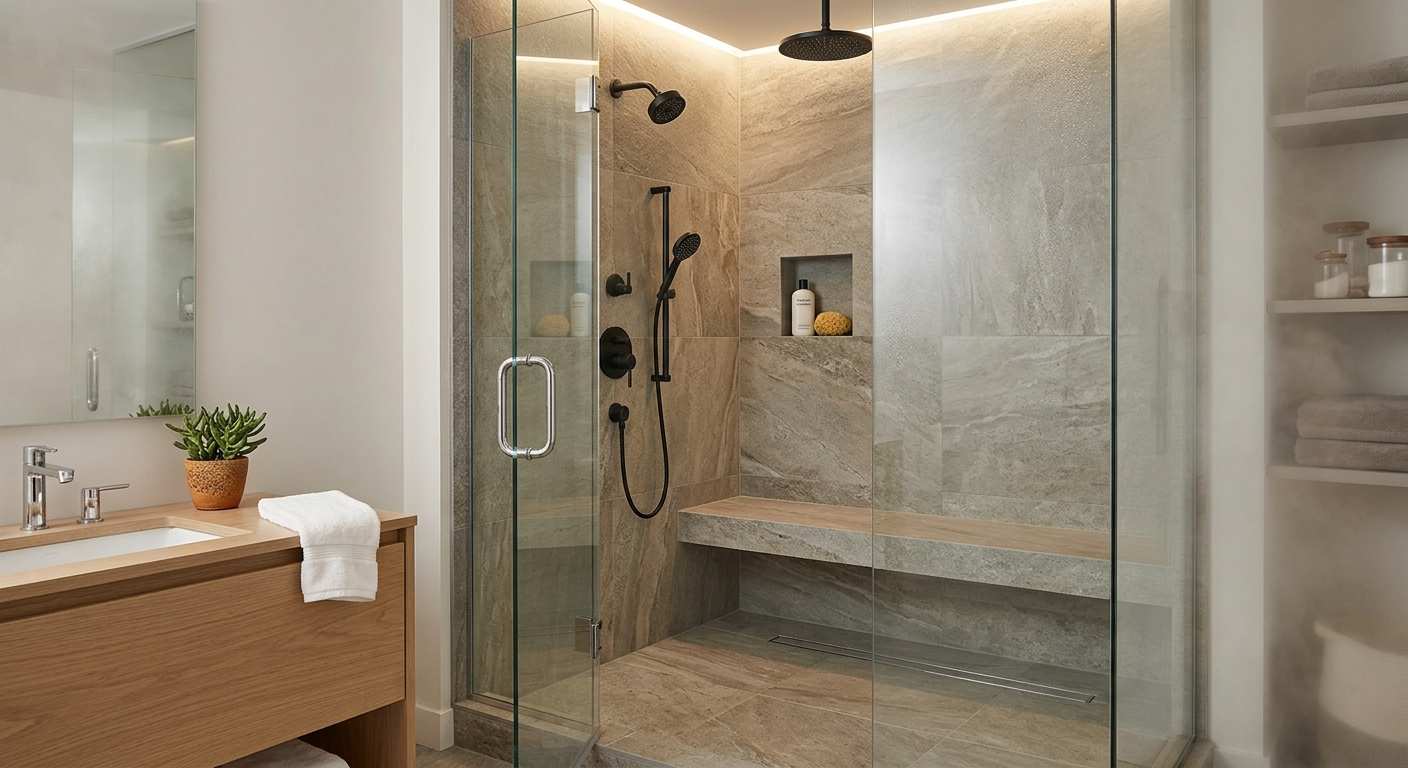
Walk-in showers present diverse options to elevate functionality and aesthetics. Features like multiple showerheads and built-in seating add luxury but can influence both time and budget. Thoughtful material selection and contrasting design elements can create a unique and appealing shower environment.
Plumbing Codes and Regulations
Complying with plumbing codes is essential for safety and functionality. Codes dictate minimum space requirements, fixture placements, and water conservation measures. Ensuring adherence to local regulations can influence materials and installation methods, impacting overall costs.
Common Plumbing Challenges and Installation Issues
Homeowners should anticipate potential plumbing challenges that can arise during installation. Discovering issues like corroded valves or outdated pipes often leads to increased labor and materials costs. Engaging experienced contractors will help navigate these unexpected challenges efficiently.
Contractors and Specialists Involved
Involving specialists is key for a successful walk-in shower installation. Depending on the project’s complexity, various licensed professionals ensure compliance with regulations and standards. Engaging the right team can simplify the project and enhance the overall outcome.
Pricing Structures and Payment Models
Understanding contractor pricing and payment structures can provide clarity and help identify areas for savings. Itemized estimates will give insight into costs, and comparing offers allows homeowners to make informed choices. Seasonal scheduling and financing options can also influence the total cost, providing additional flexibility.
Project Timelines and Scheduling
Project timelines depend on scope and scheduling. Simpler installations may take a few days, while complex designs could extend to weeks. Planning for potential delays and unusual challenges during demolition can help prevent unexpected project overruns.
Typical Price Ranges
Understanding the typical pricing tiers is essential when planning a walk-in shower project. Basic prefabricated units offer a quick and cost-effective option, while more elaborate designs can significantly increase costs. Balancing preferences against budget constraints is fundamental to achieving a successful renovation.
Common Additional and Hidden Costs
As homeowners prepare, recognizing potential hidden costs is essential for thorough budgeting. Issues like outdated plumbing or structural damage can trigger unforeseen repairs. Adequately planning for these extra expenses ensures financial readiness throughout the project lifecycle.
Regional Cost Variations
Regional differences in costs significantly affect budgeting and planning. Urban areas may experience higher installation costs due to labor prices, while rural settings typically offer more affordable alternatives. Understanding these variations will help homeowners make informed choices about timing and contractor selection.
Budget Considerations and Cost-Saving Tips
Finding the right balance between quality and budget requires strategic planning. Simple updates can often enhance value without substantial expense, while proper contractor engagement is key for complex installations. By understanding pricing and material choices, homeowners can effectively manage their budget and avoid unexpected costs.
Maintenance and Long-Term Costs
Maintenance and longevity should factor into initial planning for a walk-in shower. Material choices impact future upkeep costs, with waterproofing being vital to prevent expensive repairs. Correct planning from the outset can help safeguard the long-term viability of the investment.
Types of Walk-In Showers
Walk-in showers come in several types to accommodate varying budgets and needs. Basic prefabricated units are straightforward, while intermediate installations enhance aesthetic appeal. Accessibility-focused designs improve safety and comfort for users with limited mobility, emphasizing the need for thoughtful selections aligned with individual requirements.
The content is provided by Harper Eastwood, Scopewires