
Highlights
- In 2025, wedding fashion embraces individuality, sustainability, and adaptability, offering brides and grooms personalized styles that blend classic elegance with contemporary innovation.
- Designers are focusing on adaptability, offering convertible elements in gowns and suits, and emphasizing sustainability through responsibly sourced fabrics and rental marketplaces, making high-style wedding wear accessible and eco-conscious.
- Groom and groomsmen fashion trends in 2025 celebrate diversity, embracing menswear maximalism and playful, individualized attire, reflecting a broader cultural shift towards hyper-personalization and diversity in formal wear.
Summary
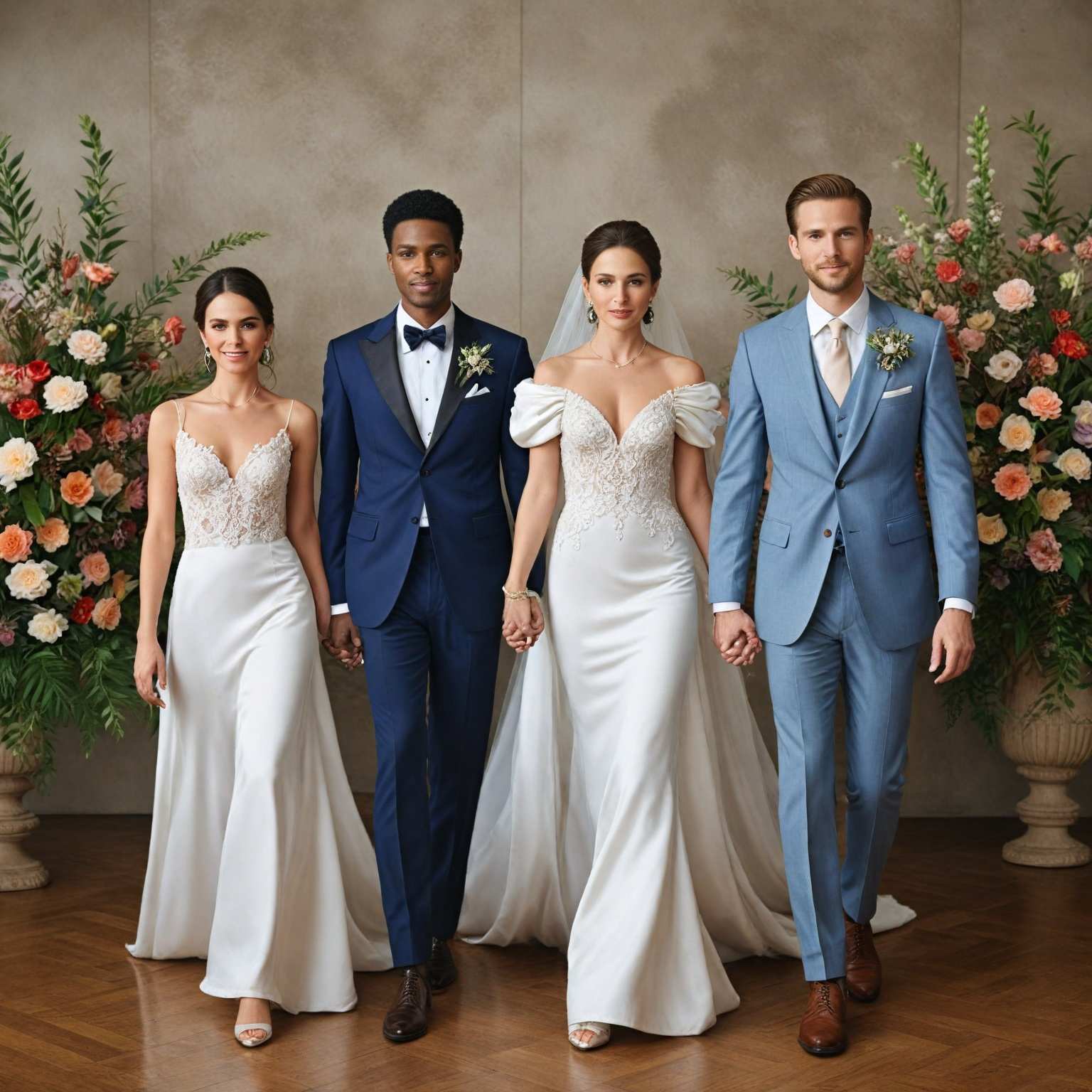
Wedding Looks in 2025: High Style Meets Low Price reflects a transformative year in bridal fashion characterized by a vibrant fusion of individuality, sustainability, and versatility. Brides and grooms alike are embracing personalized styles that blend classic elegance with contemporary innovation, moving beyond traditional silhouettes and color palettes to explore bold embellishments, modular designs, and eco-conscious materials. This evolution marks a significant shift in wedding attire, where self-expression and ethical considerations hold equal importance to aesthetic appeal.
A defining feature of 2025 wedding fashion is adaptability. Designers offer gowns and suits with convertible elements such as removable sleeves, overskirts, and adjustable drapery, enabling couples to tailor their looks throughout the wedding day while minimizing the environmental impact of multiple outfit changes. Alongside this, sustainability has become central, with increased use of responsibly sourced fabrics, small-batch production, and the rise of rental and secondhand marketplaces, making high-style wedding wear more accessible and affordable without compromising ethical standards.
Groom and groomsmen fashion has undergone a notable transformation, embracing menswear maximalism through rich colors, textured fabrics, and vintage-inspired tailoring that challenge conventional norms and celebrate diversity in formal wear. Similarly, wedding parties are adopting more playful, individualized attire, reflecting a broader cultural trend towards hyper-personalization supported by social media platforms, which have accelerated the dissemination and democratization of fashion trends.
Despite widespread enthusiasm, the intersection of high style and low price in 2025 wedding fashion has sparked discussions regarding the balance between affordability and ethical production, as well as the genuine sustainability of fast-fashion-inspired trends within the bridal industry. Nevertheless, this dynamic landscape underscores a pivotal moment where conscious consumerism and creative freedom converge, shaping the future of wedding attire worldwide.
Overview of 2025 Wedding Fashion Trends
The wedding fashion landscape in 2025 is defined by a dynamic blend of individuality, flexibility, and artistic expression. Brides are encouraged to showcase their personal style while embracing modern bridal fashion elements such as sleek silhouettes, bold embellishments, and statement sleeves. This shift allows each bride to feel confident and stand out on their special day. Eco-consciousness also plays a notable role, with an increased focus on sustainable and eco-friendly materials integrated into wedding attire.
A key characteristic of 2025 bridal fashion is versatility. Designers are offering garments with removable sleeves, overskirts, toppers, and adjustable drapery, along with options like mini or pant ensembles that can be swapped with traditional ball gowns. This modular approach not only provides dramatic flair for different parts of the wedding day but also reduces the need for multiple outfits, reflecting a commitment to sustainability. While some trends, such as bows, may be fading in broader fashion cycles, they continue to hold strong appeal within bridal wear.
Color and silhouette variations are also prominent. The year sees the resurgence of high-low cuts and vintage-inspired designs, alongside simple, chic dresses and dreamy lace overlays. These styles offer a spectrum from classic elegance to playful modernity, appealing to a wide range of bridal tastes. Furthermore, the integration of menswear maximalism highlights a growing trend where grooms and wedding VIPs experiment with patterns, colors, textures, and unique accessories, reflecting a broader acceptance of diversity and fun in wedding attire choices.
Accessories in 2025 are particularly impactful in completing the bridal look. Trends include soft neck scarves and lace gloves, which add unique, personalized touches to bridal ensembles. Affordable yet chic accessories are becoming increasingly accessible through both contemporary and luxury brands, allowing brides to enhance their style without compromising budget.
Bridal Attire
Bridal attire in 2025 embraces a dynamic fusion of tradition and innovation, offering brides a diverse range of styles that balance timeless elegance with contemporary flair. Updated wedding dress silhouettes represent one of the most significant shifts in bridal fashion, with brides encouraged to experiment with unique waistlines and shapes beyond the classic cinched waist or empire waist columns. Popular styles include drop waist dresses, which create a long and lean silhouette, and Basque waist gowns that add a touch of royal-inspired sophistication.
Textured fabrics play a pivotal role in 2025 bridal wear, contributing rich dimension and luxury to gowns. Materials such as tulle, organza, and fabrics featuring pleating and architectural folding provide sculptural and artistic shapes that accentuate the body creatively. These fabrics not only enhance the visual appeal but also bring a fresh tactile element to bridal looks. Statement sleeves are another key trend, with styles like puff or bell sleeves crafted from lace, tulle, or organza and often adorned with embroidery, adding drama and flair to wedding gowns.
For brides seeking alternatives to traditional full-length dresses, mini and midi wedding dresses have gained popularity as bold, fashion-forward options. Mini dresses often incorporate intricate beading or sleek satin finishes, making them ideal for post-ceremony celebrations and showcasing bridal shoes and accessories. Midi dresses typically feature unique details such as high-low hemlines, tiered skirts, or lace overlays, striking a balance between drama and refined elegance. Elevated minimalism also remains a strong influence, emphasizing sleek, simple, yet classy designs suited for contemporary brides who prefer understated sophistication.
Sustainability and ethical production are increasingly important considerations in bridal attire. Many designers operate with eco-conscious practices, utilizing high-quality, responsibly sourced materials such as LENZING™ ECOVERO™ fibers derived from sustainable wood and pulp. Dresses are often made in small batches in ethically run factories, emphasizing low-impact processes and the use of natural, organic, recycled, or upcycled materials to minimize environmental footprint. This commitment allows brides to feel confident not only in their look but also in the values behind their gown’s creation.
Groom and Groomsmen Fashion
In 2025, groom and groomsmen fashion is embracing a bold blend of tradition and innovation, reflecting a growing desire for individuality and style on the wedding day. The trend leans toward menswear maximalism, characterized by experimentation with color, texture, and patterns that go beyond classic black tuxedos and well-fitted suits. Tailored suits in rich, unconventional hues such as deep emerald, burgundy, olive green, and cream are becoming popular choices, often featuring tactile fabrics like tweeds and velvets to add depth and luxury.
The resurgence of formality is evident with the comeback of double-breasted jackets, signaling a refined and opulent aesthetic. Unique black-tie attire with a vintage edge, inspired by Old Hollywood, Art Deco, and 1920s silhouettes, is gaining traction. Elements such as super-wide lapels and gender-bending neckwear, including pussybows instead of traditional ties or bow ties, are helping grooms make confident style statements. Accessories like button studs and patterned neckwear further personalize looks, particularly in more casual or outdoor weddings where muted, earthy tones such as olive and camel are favored.
Industry experts highlight that the age of weddings being solely focused on the bride’s style is fading, with grooms now embracing their own sartorial intentions with vigor and creativity. The trend toward variety and boldness in menswear is partly driven by increased comfort with style experimentation, encouraged by cyclical fashion trends and the high stakes associated with wedding-day appearances.
Bridesmaids and Wedding Party Attire
In 2025, bridesmaids and the wider wedding party are embracing more playful and varied fashion choices that reflect a balance between tradition and innovation. This shift allows each member of the wedding party, including parents and close VIPs, to showcase their individuality while complementing the overall wedding aesthetic. The variety and excitement in outfit options have never been greater, with a focus on bold personal expression and coordinated creativity.
Fashion trends for bridesmaids in 2025 often feature unique details and unexpected fabrics that add texture and dimension to traditional silhouettes. Embellishments such as embroidered capes and dramatic trains, along with the option of bold second or even third looks, are gaining popularity. These styles are inspired by red-carpet glamour, encouraging wedding parties to “own the moment” with standout pieces that highlight their personality. Additionally, fabric accents and draped elements are predicted to see a significant surge, enhancing both ceremony and reception aesthetics.
The contemporary wedding party wardrobe aligns with the broader bridal fashion trend toward hyper-personalization and artistry, offering a wide spectrum of choices that encourage creativity and authenticity. This evolution ensures that everyone involved in the wedding can feel confident and stylish while contributing to a cohesive yet dynamic visual story for the big day.
Moreover, social media platforms and AI-driven tools have played a crucial role in inspiring and informing wedding party fashion choices. Couples and vendors alike benefit from real-time, authentic updates and a vast array of ideas ranging from color schemes to bespoke outfit details, making the planning process more accessible and personalized than ever.
Makeup and Hair Trends
In 2025, bridal makeup and hair trends emphasize individuality and a blend of classic elegance with modern twists. Hair accessories play a pivotal role in transforming bridal looks, allowing brides to express personal style while complementing their overall ensemble. Popular choices include gold floral clips, fluffy bows, pearl bridal combs, and decorative combs, which remain timeless staples due to their versatility and ability to enhance hairstyles effortlessly, even at the last minute.
Among the most notable hair accessory trends are crystal-encrusted crowns that create a fairytale bride aesthetic, alongside birdcage veils favored for city weddings and legal ceremonies. These headpieces highlight a shift towards modern, self-expressive styles that break from tradition without sacrificing sophistication. Additionally, affordable yet luxurious-looking accessories from brands like Lulus make it easier for brides to achieve a high-end appearance without the premium price tag.
On the makeup front, the 2025 bridal market favors fresh and playful touches, often incorporating subtle pops of color that add personality without overwhelming the natural beauty of the bride. This trend aligns with the broader movement in bridal fashion toward combining timeless elements with bold, artistic details that highlight the bride’s unique character.
Budget-Friendly Wedding Fashion Options
In 2025, budget-conscious brides have access to a diverse range of wedding fashion options that balance style, sustainability, and affordability. One of the most popular choices is buying secondhand wedding dresses, which not only helps reduce the environmental impact by cutting down on waste and lowering carbon footprints but also offers elegant gowns at more accessible prices. Online global marketplaces feature a variety of sustainable and vintage dresses, catering to different tastes and budgets. Platforms include offerings like vintage gowns from SixpennyBride and affordable organic garments from brands such as SisterOrganics, based in the UK.
Sustainable wedding dress brands emphasize ethical labor practices, fair wages, and safe working conditions, making them attractive to socially conscious shoppers. These brands often produce their collections using all-natural, organic, recycled, or upcycled materials through low-impact manufacturing processes. Additionally, dresses are frequently made in small batches to minimize waste, ensuring quality and exclusivity without excess production.
Versatility is also a key feature in budget-friendly bridal fashion for 2025. Convertible designs—such as removable sleeves, overskirts, toppers, and adjustable drapery—allow brides to transform a single gown throughout different parts of their wedding day. This adaptability means one dress can serve multiple functions, eliminating the need for purchasing several outfits and ultimately reducing costs. Brands like Nordeen highlight their commitment to sustainability and economy by offering such multifunctional pieces, encouraging brides to invest in timeless styles that suit various events from the ceremony to the reception.
Together, these options reflect a growing trend among modern brides to seek affordable wedding fashion that aligns with their values of individuality, environmental responsibility, and budget awareness, all while maintaining elegance and high style.
Cultural and Regional Variations
Wedding fashion in 2025 is marked by a diverse range of cultural and regional influences that reflect both global trends and localized traditions. This duality is evident in the contrast between pared-back civil ceremonies favoring earthy, natural palettes and more elaborate celebrations featuring dramatic vintage silhouettes and intricate veils, highlighting the polarization of wedding styles across different cultures and regions.
In many Western countries, there is a notable shift towards personalization and self-expression, with couples embracing bold second or even third outfit changes during their celebrations. This approach aligns with a red-carpet-inspired aesthetic where individuality takes precedence over conforming to uniform trends, a movement supported by designers who emphasize flexibility through removable sleeves, overskirts, and convertible elements in bridal wear. This trend reflects a broader cultural embrace of wardrobe versatility and sustainability, allowing couples to adapt their attire to various parts of the ceremony or reception while reducing environmental impact.
Conversely, in regions where traditional values and ceremonies remain deeply ingrained, wedding looks tend to preserve historical styles while incorporating contemporary touches. For example, vintage silhouettes from past decades are often reinterpreted with modern fabrics and details, creating a fusion that resonates with both older generations and younger couples seeking to honor their heritage within current fashion frameworks. Social media platforms like TikTok and YouTube have further accelerated this blending of eras by popularizing nostalgic aesthetics alongside contemporary influences, enabling a global exchange of stylistic ideas that inform regional variations.
Additionally, sustainability has become a universally significant consideration, influencing bridal fashion choices worldwide. Brands practicing eco-friendly manufacturing methods, such as using organic materials and low-impact processes, are gaining prominence across different markets. This global trend not only addresses environmental concerns but also complements regional preferences for natural color palettes and understated elegance, particularly in outdoor or nature-inspired wedding settings.
Impact of Sustainability and Ethical Fashion
Sustainability and ethical practices have become central to the evolution of wedding fashion in 2025, reshaping how brides and wedding parties approach their attire choices. Modern couples increasingly prioritize brands that align with values such as eco-friendliness, ethical labor practices, and social responsibility, reflecting a broader cultural shift toward conscientious consumerism.
Many sustainable wedding dress brands emphasize the use of eco-friendly materials and production methods. For example, fabrics like LENZING™ ECOVERO™ fibers, derived from sustainably sourced wood and pulp, are gaining popularity for their low environmental impact and high quality. These materials, alongside recycled and upcycled components, contribute to reducing waste and pollution throughout the manufacturing process. Furthermore, brands often commit to transparent supply chains, ensuring fair wages and safe working conditions for their employees, thus promoting ethical labor standards within the fashion industry.
In addition to the creation of new sustainable garments, rental and preowned platforms have revolutionized bridal fashion by offering access to high-end, eco-conscious wedding gowns without the environmental cost of producing a new dress. Rent The Runway, dubbed “the Netflix model of haute couture,” provides brides and their parties with sustainable options through rentals that feature inclusive sizing and a hassle-free return and cleaning policy. The growing popularity of consignment and preowned bridal wear not only extends the lifecycle of designer dresses but also makes sustainable fashion more accessible and affordable.
The integration of sustainability into wedding fashion also encourages innovation in design and functionality. Brides in 2025 seek versatile gowns that blend tradition with modernity—dresses that can transition seamlessly from ceremony to celebration while maintaining an eco-conscious ethos. This trend aligns with a broader movement toward personalized, meaningful weddings that reflect both individual style and environmental awareness.
Ultimately, the impact of sustainability and ethical fashion on wedding looks in 2025 is profound. It allows couples to celebrate their special day with elegance and style while making choices that benefit the planet and its people. As awareness continues to grow, the wedding industry is poised to embrace a future where high style and responsible production go hand in hand.
Innovations in Sustainable Bridal Accessories
Sustainable bridal accessories are emerging as a significant trend in 2025, blending eco-conscious values with high style and affordability. Many brands now emphasize ethical practices by using conflict-free gemstones, recycled precious metals, and sustainable packaging certified by organizations such as the Forest Stewardship Council (FSC). These efforts not only ensure transparency in sourcing but also contribute to reducing waste
Influence of Social Media and Celebrity Weddings
Social media has become an indispensable tool in modern wedding planning, significantly influencing wedding looks and trends in 2025. Platforms such as Instagram, Pinterest, and Facebook serve as dynamic, real-time sources of inspiration, offering couples a wide array of unique wedding themes, color schemes, and personalized details that continuously evolve with contributions from vendors, influencers, and real couples. Unlike traditional monthly wedding magazines, these platforms provide authentic and timely updates that help shape fashion choices for bridal gowns, bridesmaid dresses, and groomsmen’s outfits.
The digital presence of celebrity weddings and influencer endorsements has further amplified social media’s impact. Marketing strategies often involve collaborations with influencers and celebrities, especially on platforms like TikTok and Instagram, allowing fashion trends to reach a broad audience quickly and effectively. This has led to rapid shifts in bridal fashion, with styles that emphasize flexibility, individuality, and artistry becoming prominent. For example, brides in 2025 are embracing sleek silhouettes, bold embellishments, and statement sleeves—all trends that have been popularized and circulated through social media channels.
Moreover, social media encourages creative personalization, such as crafting unique wedding hashtags that consolidate social media posts related to the event, creating a live and accessible album for guests and followers. This digital culture fosters a communal and interactive wedding experience, influencing not only fashion choices but also overall wedding aesthetics and planning.
Celebrity weddings often set the tone for upcoming bridal trends, with their styles widely shared and emulated online. The combined effect of social media exposure and celebrity influence has accelerated the acceptance of sustainable and eco-friendly bridal fashion, as brides increasingly seek elegant yet environmentally conscious options, a movement that has been gaining traction partly due to social media advocacy.
Future Outlook and Emerging Trends
As the wedding industry evolves, 2025 is shaping up to be a year marked by a blend of personal expression, sustainability, and innovative design. Experts suggest that the pressure to follow trends simply for their own sake is diminishing, with couples and designers increasingly prioritizing authenticity and individuality over conformity. This shift allows for more abstract and experimental approaches to wedding attire, encouraging brides and grooms to explore styles that genuinely resonate with their personalities.
One of the most notable trends is the rise of versatility and adaptability in bridal wear. Designers such as Esé Azénabor, Galia Lahav, and Rime Arodaky are emphasizing convertible features like removable sleeves, overskirts, toppers, and even options to switch from full ball gowns to mini or pant styles. This flexibility not only enhances the drama and narrative of the wedding day but also supports sustainability by reducing the need for multiple separate garments. Fabric choices are also evolving, with jacquard, light tulle, and soft organza gaining popularity for their combination of texture, style, comfort, and elegance. Eco-friendly materials such as organic cotton and recycled fabrics are increasingly favored among brides who want their dresses to align with sustainable values.
Sustainability continues to be a major focus across the wedding fashion landscape. Brands committed to ethical labor practices and environmental responsibility are gaining traction, ensuring fair wages, safe working conditions, and inclusive sizing. Consumers are encouraged to research brand values and prioritize those that integrate eco-conscious production methods, natural and organic materials, and low-impact manufacturing processes. This movement not only reduces waste and pollution but also fosters transparency and social responsibility within the market.
Men’s wedding fashion is also experiencing a resurgence of boldness and maximalism. Trends point to tailored suits in deep, rich colors like emerald, burgundy, olive green, and cream, often featuring textured fabrics such as tweeds and velvets. The return of formality is highlighted by the comeback of double-breasted jackets, while the experimentation with patterns, colors, and unique accessories reflects a broader acceptance of individuality in groom’s attire. This menswear maximalism signals a move away from tradition toward a more diverse and personalized expression of style.
The content is provided by Blake Sterling, Scopewires


