
Highlights
- Folding electric wheelchairs offer unmatched portability for enhanced independence and flexibility.
- Technological advancements ensure safety and customization, catering to diverse mobility needs.
Summary and Development
Folding electric wheelchairs combine electric propulsion with a foldable design, offering portability and independence for users. Originating from early 20th-century innovations, key advancements since the 1950s include programmable controls, improved batteries, and safety features like anti-tip wheels. These wheelchairs fold quickly for travel and storage, though challenges remain with complex mechanisms, battery range, and environmental accessibility. Ongoing improvements focus on battery technology, lightweight materials, and user-centered design to enhance usability and safety.
Design, Features, and Technology
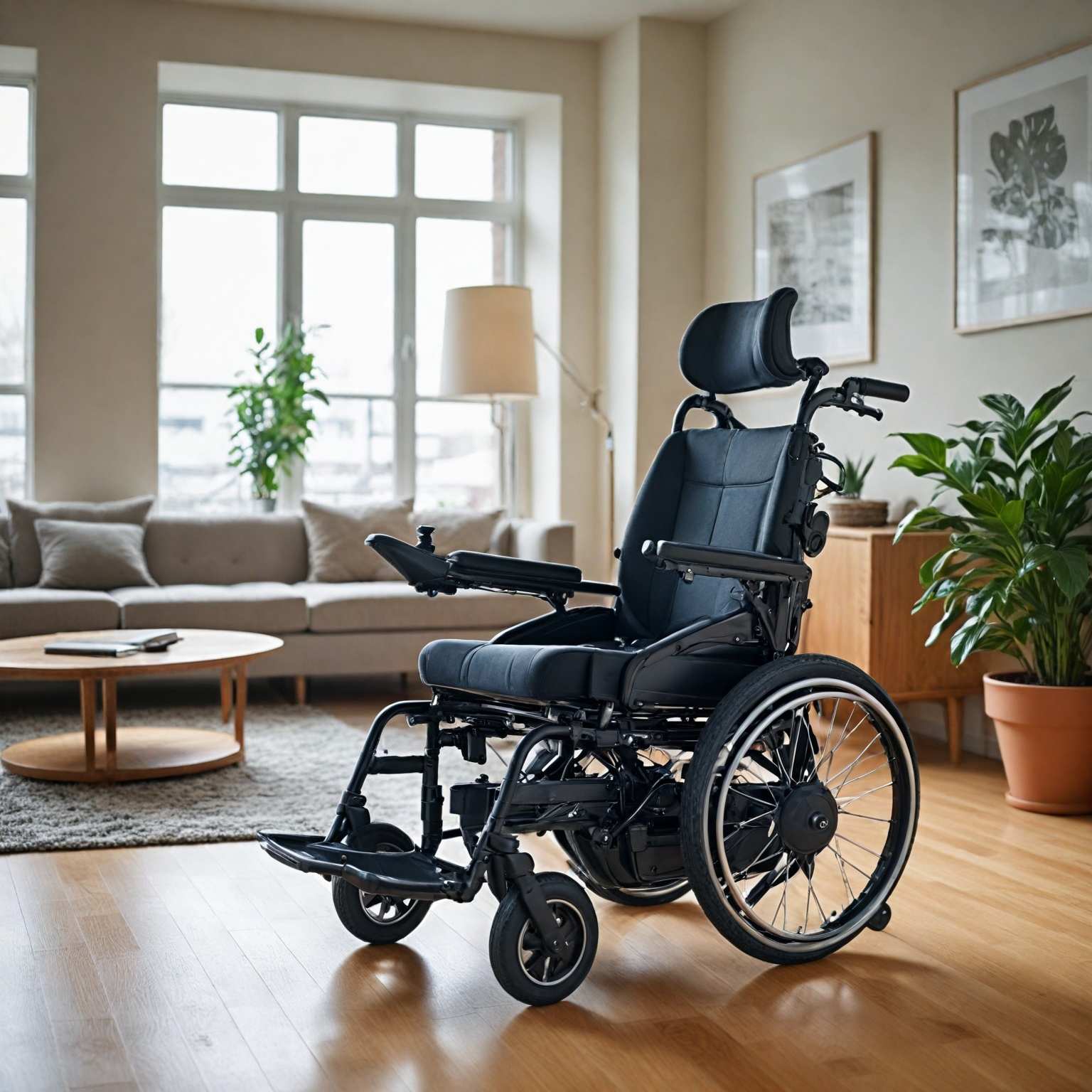
Designed for portability and performance, folding electric wheelchairs fold compactly often within seconds, using sophisticated mechanisms that may require disassembling parts. They feature dual battery systems, advanced control interfaces—including joystick and alternative inputs—and customizable seating with power tilt and recline. Safety elements include anti-tip wheels and electromagnetic brakes. These wheelchairs balance durability with lightweight materials, offer ranges up to 22 miles, and support manual override modes. Accessories for medical equipment and smart technology integration further enhance independence and ease of use.
Therapeutic Benefits and User Independence
Motorized assistance reduces physical strain, enabling users with limited strength to navigate various terrains and cover longer distances. This fosters greater participation in social and recreational activities, improves self-esteem, and mitigates isolation. The portability of folding models supports spontaneous travel, expanding access to diverse environments. Safety features and intuitive controls increase user confidence and promote autonomy.
Comparison with Traditional and Manual Wheelchairs
Traditional electric wheelchairs prioritize comfort and stability but are larger and less portable. Folding electric wheelchairs offer easier transport and storage, appealing to frequent travelers despite somewhat shorter battery ranges. Manual wheelchairs are lightweight and foldable but require significant physical effort, limiting independence for some users. Folding electric wheelchairs often provide better long-term value, easier maintenance, and meet safety standards while balancing portability and performance.
User Experiences and Challenges
Users report enhanced mobility, flexibility, and improved quality of life due to ease of folding, transport, and maneuverability. Satisfaction depends on matching wheelchair features to individual needs and environments. Challenges include navigating inaccessible terrains, maintenance demands, battery life limitations, and the complexity of folding mechanisms. Proper use and regular servicing are essential to ensure safety and reliability.
Market Trends and Future Developments
The market emphasizes compact, user-friendly designs with technological advances like programmable settings, power tilt, and eco-conscious materials. Compliance with international safety standards and improved after-sales support enhance consumer confidence. Future innovations aim to extend battery range, improve safety features, increase weight capacity, and simplify folding mechanisms. Inclusive research involving users will guide designs to better meet diverse needs, ensuring folding electric wheelchairs remain vital tools for independence and mobility.
The content is provided by Blake Sterling, Scopewires


