
Highlights
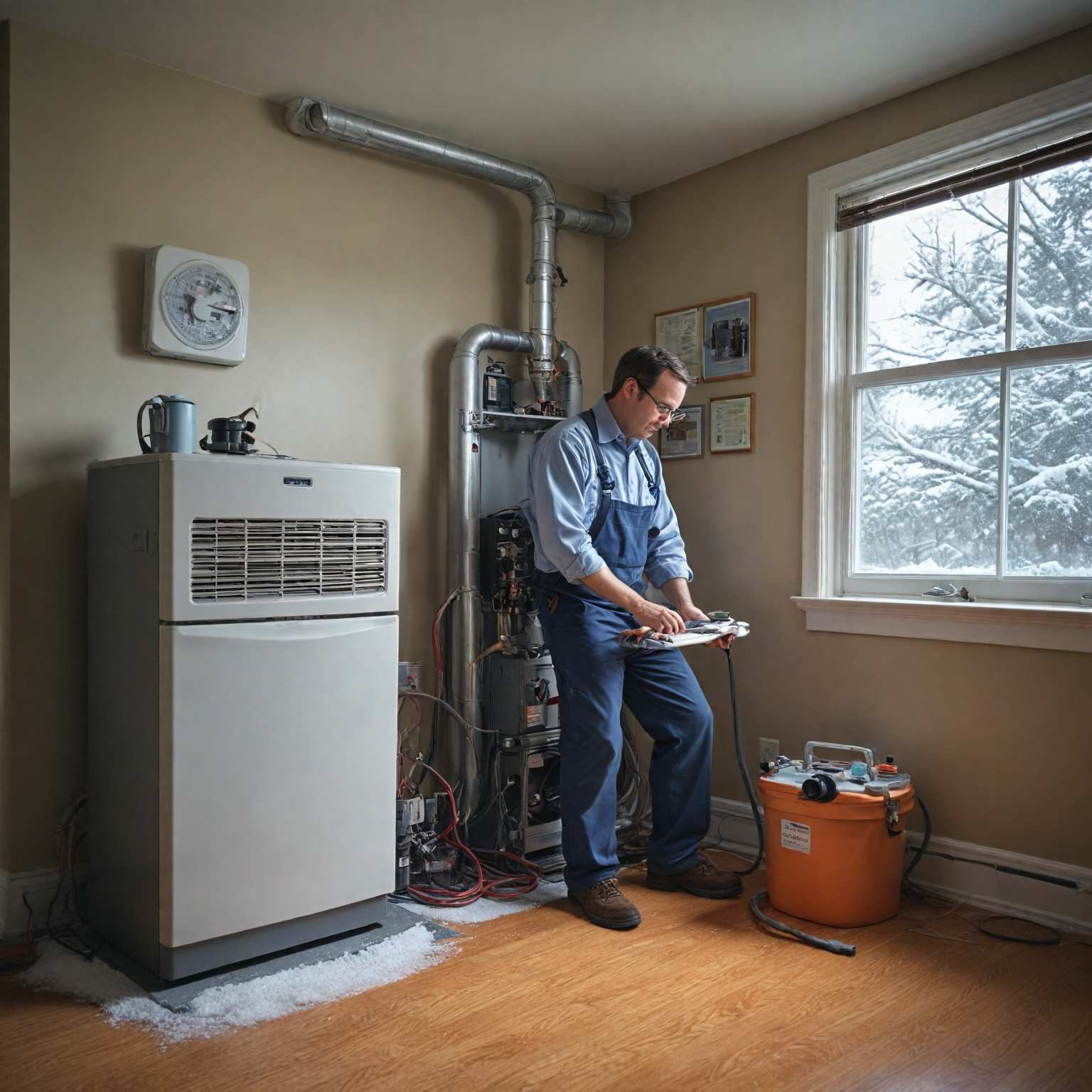
- Regular furnace maintenance ensures safe, reliable heating and improves energy efficiency this winter.
- Professional inspections and smart technologies prevent hazards while optimizing furnace performance and safety.
Summary and Importance of Furnace Service in 2025
Furnace service is vital for safe, reliable, and efficient heating during the extended winters of 2025. Regular maintenance prevents breakdowns, improves energy efficiency, lowers utility costs, and enhances indoor air quality. Safety checks focus on preventing carbon monoxide leaks, fire risks, and other hazards. New safety protocols and advanced monitoring systems further protect homeowners. Compliance with evolving federal efficiency standards encourages high-efficiency condensing models, reducing fuel use and emissions. Homeowners also contribute by performing routine tasks like filter replacement, complementing professional inspections to maximize furnace lifespan and performance.
Standard Furnace Service Procedures and Frequency
Annual professional furnace service includes inspecting burners, combustion chambers, heat exchangers, gas lines, and ductwork to detect cracks, leaks, or damage. Technicians test system controls, safety features, and carbon monoxide levels to ensure safe operation. Maintenance tasks include filter replacement, cleaning blower components, lubricating parts, and verifying thermostat calibration and airflow. Homeowners should regularly check filters and vents to prevent clogs and maintain airflow. Furnace tune-ups are recommended annually before winter, with heat pumps requiring biannual servicing. Environmental factors may necessitate more frequent attention.
Common Furnace Issues and Safety Hazards
Furnaces face issues like carbon monoxide leaks from cracked heat exchangers, gas valve malfunctions, and clogged burners, which pose serious health and fire risks. Mechanical problems such as dirty ignitors, faulty regulators, clogged filters, and thermostat faults reduce efficiency and reliability. Neglected maintenance can cause soot buildup, worn parts, and improper cycling, increasing breakdown risk. Regular professional inspections detect and address these issues early, preventing hazardous situations and ensuring efficient operation.
Professional Safety Protocols and Technological Advances in 2025
In 2025, furnace safety protocols emphasize mandatory fail-safe features that alert users to malfunctions, aiming to reduce carbon monoxide-related incidents. Professional inspections include thorough checks of electrical connections, gas lines, safety devices, and CO levels using specialized detectors. Technological advancements include AI and IoT integration, enabling remote monitoring, predictive maintenance, and improved efficiency. New federal regulations require all furnaces sold after 2028 to be high-efficiency condensing models, reducing energy use by about 15%. Smart thermostats and variable-speed motors enhance comfort and lower costs, while advanced materials improve sustainability. These innovations support safer, more reliable heating systems.
Energy Efficiency Standards and Environmental Impact
The U.S. Department of Energy’s updated 2028 efficiency standards mandate a minimum 95% Annual Fuel Utilization Efficiency (AFUE) for new furnaces, achieved mainly through condensing technology. This will significantly reduce wasted energy and carbon emissions, with projected reductions of 332 million metric tons of CO₂ over 30 years. Compliance with these standards is crucial for manufacturers, contractors, and homeowners to maximize safety, savings, and environmental benefits.
DIY Maintenance Best Practices
Homeowners can support furnace performance by regularly replacing or cleaning filters every 1 to 3 months, inspecting for visible damage or debris, and ensuring vents and dampers are open. Monitoring furnace operation for unusual odors or noises and maintaining carbon monoxide detectors are essential safety steps. While these tasks help maintain efficiency, they do not replace professional annual servicing, which includes detailed inspections and repairs beyond typical homeowner capabilities. Combining DIY upkeep with expert maintenance optimizes furnace safety and reliability throughout the winter.
The content is provided by Blake Sterling, Scopewires


