Highlights
- Non-surgical treatments are growing in popularity for their quick, natural results and accessibility.
- Technological advancements are driving personalized cosmetic enhancements, appealing to a diverse audience.
Summary and Overview of Non-Surgical Cosmetic Treatments
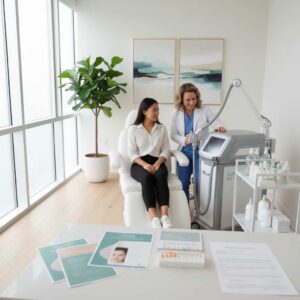
Non-surgical cosmetic treatments have surged in popularity as minimally invasive alternatives to surgery, offering reduced recovery times and natural results. These include botulinum toxin injections (Botox®), dermal fillers, laser therapies, chemical peels, and body contouring. Their safety, accessibility, and effectiveness have driven widespread adoption, fueling a global market projected to grow substantially. Advances like microneedling combined with radio-frequency and regenerative medicine have enhanced treatment precision and personalization, appealing to diverse demographics. This trend, known as the “undetectable plastic surgery era,” emphasizes subtle, natural enhancements over dramatic changes.
Factors Driving Popularity and Common Treatments
The rise in demand is influenced by cultural shifts, social media normalization, celebrity influence, psychological factors, and rising disposable incomes, especially in emerging markets like Asia-Pacific. Popular procedures include botulinum toxin injections that reduce wrinkles by blocking muscle contractions, and hyaluronic acid-based dermal fillers that restore facial volume. Additional treatments such as laser hair removal, chemical peels, skin resurfacing, and non-surgical body contouring are also widely sought. These options offer effective results with minimal downtime, appealing to both women and a growing number of men.
Demographics and Consumer Motivations
The demographic profile has expanded beyond older adults to include younger individuals in their 20s. Women make up about 85% of patients, though male participation is increasing. Social media platforms significantly influence demand by shaping beauty standards and encouraging self-expression. Psychological factors like body image and self-esteem also affect motivations. Cultural beauty ideals vary globally, necessitating culturally sensitive approaches. The convenience, lower risk, and affordability of non-surgical treatments further drive consumer interest.
Benefits and Safety Considerations
Non-surgical treatments offer benefits such as minimal invasiveness, faster recovery, lower complication risks, and natural-looking results. They are generally safer than surgery but carry risks including allergic reactions and muscle weakness. Regulatory oversight exists but remains inconsistent, with ongoing debates over stricter licensing. Psychological factors and cost also influence patient decisions and satisfaction. Despite some risks, technological advancements have improved safety and efficacy.
Market Trends and Future Outlook
The global market continues to grow rapidly, with the Non-Surgical Facial Rejuvenation Service Market valued at $14.6 billion in 2024 and expected to reach $25.8 billion by 2035. Non-surgical procedures outnumber surgical ones worldwide, reflecting consumer preference for less invasive options. Growth is strongest in Asia-Pacific due to increased healthcare infrastructure and awareness. Future trends emphasize personalized, subtle enhancements, increased male participation, and innovations like regenerative medicine using exosomes. Clinics remain the primary treatment providers, complemented by spas and home-care services. Sociocultural awareness and psychological support are becoming integral to patient care as the market evolves.
The content is provided by Sierra Knightley, Scopewires