
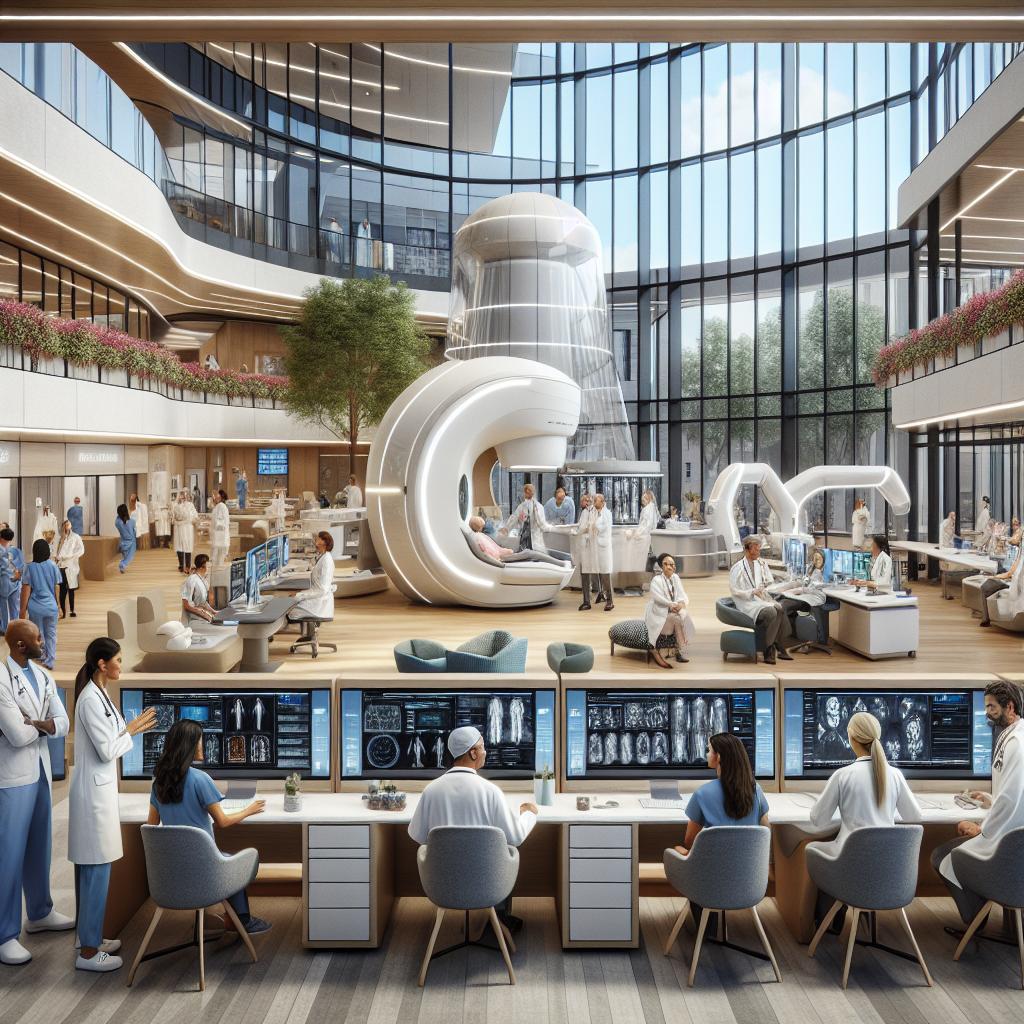
Highlights
- Discover top global cancer hospitals renowned for excellence in innovative treatments and patient-centered care.
- Learn about leading institutions like MD Anderson and emerging centers improving access in diverse healthcare settings.
- Explore the vital role of comprehensive support services in enhancing patient well-being throughout the cancer journey.
Summary of Leading Cancer Hospitals and Innovations
This guide highlights top global cancer centers noted for clinical excellence, advanced therapies like precision medicine and immunotherapy, and multidisciplinary patient care. Rankings by organizations such as U.S. News & World Report and Newsweek/Statista use clinical outcomes, expert surveys, certifications, and patient measures to evaluate hospitals. Prominent centers include MD Anderson (USA), Gustave Roussy (France), and Charité (Germany), with emerging institutions in Asia-Pacific and Africa expanding access. Innovations like AI integration, molecular therapies, and advanced radiation improve diagnosis and personalized treatment. The guide also emphasizes comprehensive psychosocial support, family involvement, and caregiver integration, while noting challenges like survivor care demands, low clinical trial participation, and balancing technology with human expertise. Future oncology care focuses on patient-centered, multidisciplinary models to enhance global outcomes.
Ranking Organizations and Methodologies
Major ranking entities include U.S. News & World Report, which assesses hospitals based on patient experience, staffing, and outcomes using public data and surveys; Newsweek partnered with Statista, relying heavily on global medical professional surveys; and Bookimed, which offers a hospital guide based on self-reported data. Methodologies combine expert recommendations, certifications (e.g., JCI), and patient-reported outcome measures standardized by ICHOM. Rankings also consider specialty-specific factors like advanced diagnostics, clinical trials, and psychosocial oncology services, though the latter is less frequently quantified.
Leading Cancer Hospitals Worldwide
Top European centers include Klinikum Solingen and Charité (Germany), and Gustave Roussy (France), known for complex cancer care and research. In the U.S., MD Anderson, Memorial Sloan Kettering, and Dana-Farber Brigham lead in comprehensive oncology and innovation. Asia-Pacific leaders include Tokyo’s cancer center and Singapore General Hospital, with growing expertise in India and Malaysia. Africa’s Uganda Cancer Institute exemplifies efforts to establish research-linked centers amid resource challenges.
Cancer Treatment Innovations
Modern cancer care integrates multidisciplinary approaches with advanced technologies. AI and precision imaging enhance tumor analysis and treatment decisions. Targeted molecular therapies and immunotherapy personalize care by focusing on biomarkers and immune response, while epigenetic therapies help overcome drug resistance. Radiation therapy advances include proton therapy and stereotactic techniques using precise equipment like the Radixact-X9 and Gamma Knife for better tumor targeting with fewer side effects. Clinical trials remain vital for testing novel treatments and translating research into practice.
Clinical Trials and Translational Research
Translational research bridges laboratory discoveries and patient care by developing targeted therapies based on molecular insights. Clinical trials rigorously test these innovations against standard treatments, though participation rates remain low. The COVID-19 pandemic prompted adaptations such as local chemotherapy and telehealth monitoring, reducing barriers for patients. Technological tools like AI assist data management, but skilled professionals remain essential. Advances include genome sequencing, immunotherapies, and integrating palliative care, all aiming to improve patient outcomes and quality of life.
Patient Support and Psychosocial Care
Comprehensive psychosocial services address emotional, social, and practical challenges throughout cancer care, from diagnosis to survivorship or end-of-life. These include individualized support, distress screening (though underutilized), survivor wellness programs, integrative medicine, and virtual support groups. Family caregivers play a crucial role in daily care and treatment adherence but face emotional and physical burdens. Leading centers provide counseling, care coordination, and 24/7 specialist support to patients and families, emphasizing a holistic approach to well-being and survivorship.
Equitable Access and Family Caregiver Integration
Ensuring equitable cancer care involves addressing physical accessibility, communication barriers, and caregiver involvement. Patients with disabilities often depend on caregivers who must actively participate in treatment. Barriers such as inaccessible facilities and attitudinal challenges persist, highlighting the need for advocacy and accommodations. Family involvement improves patient satisfaction and adherence but requires enhanced provider training to manage communication and family dynamics. Caregiver support services and formal integration models help reduce caregiver strain and improve outcomes, with disability access coordination recommended before treatment begins.
Challenges and Future Directions
Leading cancer hospitals face rising survivor numbers necessitating expanded psychosocial and supportive care. Integrating emerging technologies like AI and quantum computing enhances diagnostics and trials but cannot replace human expertise. The COVID-19 pandemic accelerated flexible clinical trial protocols, yet participation remains low, requiring improved infrastructure and engagement. Future oncology care emphasizes multidisciplinary, patient-centered models combining innovative therapies with comprehensive support and survivorship care. Continued investment in research, technology, accessibility, and care coordination will shape advances in global cancer treatment.
The content is provided by Harper Eastwood, Scopewires