
Controversy of the Anti-Weaponization Fund
The Department of Justice’s (DOJ) $1.776 billion Anti-Weaponization Fund has sparked significant debate amid political tensions, especially following former President Donald Trump’s lawsuit against the IRS. The fund aims to provide compensation for individuals claiming to be victims of politically motivated prosecutions, but critics, particularly from the Republican party, fear it could reward those linked to the January 6 Capitol riot. Concerns focus on the potential misuse of federal resources and how such actions might compromise the integrity of federal law enforcement.
Establishment and Criticism
Created as a result of Trump’s lawsuit settlement, the Anti-Weaponization Fund stands at approximately $1.776 billion, meant to address claims of prosecutorial overreach during the Biden administration. Legislators have labeled the fund a “slush fund,” fearing payouts could benefit January 6 rioters. This growing disapproval has led to proposed legislation aimed at prohibiting the use of federal funds for claims connected to the fund, indicating a deep partisan divide over its legitimacy.
Political Reactions and Legislative Pushback
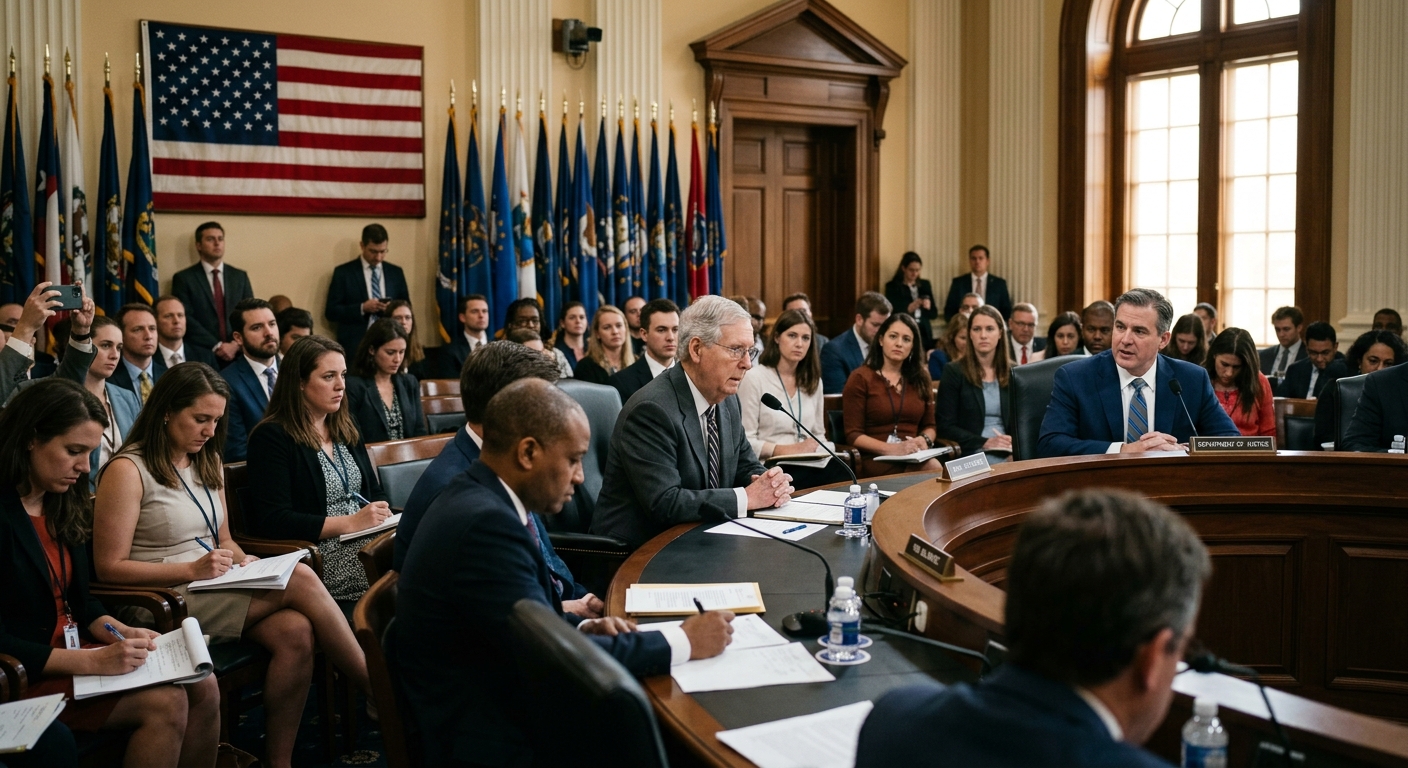
Political leaders, especially Senate Minority Leader Mitch McConnell, have openly criticized the fund, arguing it is morally indefensible to compensate individuals associated with how the Capitol riot unfolded. His statements represent broader GOP resistance, leading to a congressional delay on legislative priorities, underlining the discontent within the party regarding the fund’s implications. GOP scrutiny intensified during congressional hearings, where questions arose about the fund’s governance and its relationship with the January 6 events.
Legal and Ethical Concerns
The fund’s establishment as part of Trump’s settlement raises key legal inquiries surrounding its purpose and implementation. It is supposed to allow victims of alleged lawfare to seek formal apologies and financial restitution through a defined consent decree process. However, this mechanism is constrained by regulations designed to limit the use of funds, prompting critics to question the appropriateness of financial allocations. Additionally, ethical standards aimed at preventing conflicts of interest within the DOJ have come under scrutiny, as there are fears about the department’s autonomy in handling politically sensitive cases.
DOJ’s Oversight Measures
Amid the backlash, the DOJ has defended its efforts to maintain ethical integrity, emphasizing that it adheres to strict conflict-of-interest guidelines. Leadership has sought to clarify the fund’s objectives and reinforce its commitment to preventing political influence over its operations. Despite these assurances, ongoing criticism from political figures continues to challenge how the DOJ manages matters tied to its authority and public trust amid allegations of potential misuse surrounding the fund.
Impact of the Fund and Future Considerations
The DOJ fund has amplified existing divisions in U.S. politics, highlighting concerns about how government resources are utilized in contested contexts. As discussions about politicization persist, the fund serves as a focal point for debates over accountability and appropriate executive action. Critics remain vigilant over the implications of the fund on the DOJ’s credibility and the broader effects on the enforcement of laws regarding campaign finance and government conduct. The future of the fund remains uncertain, affected by ongoing political dynamics and public discourse surrounding its legitimacy and purpose.
The content is provided by Harper Eastwood, Front Signals