
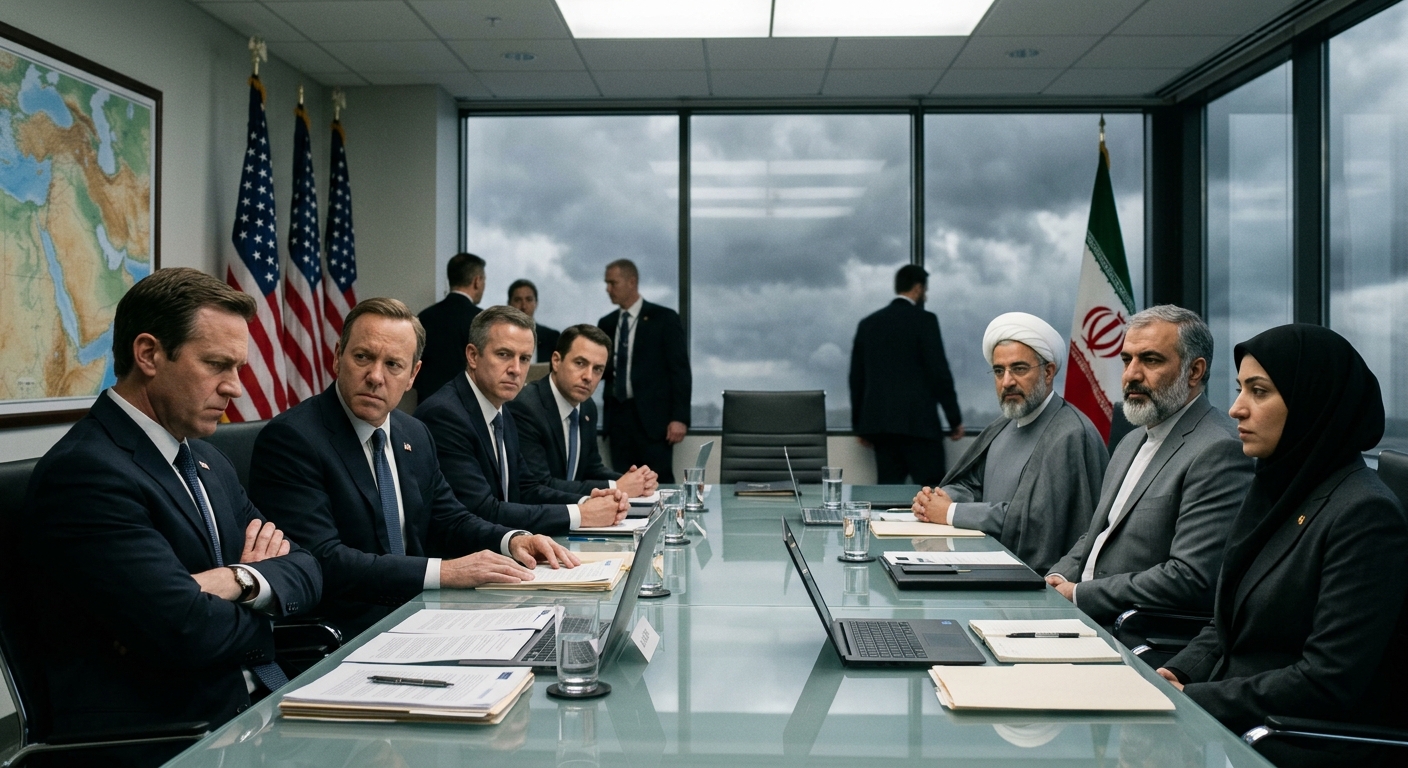
Current Stalemate Overview
The stalemate between the United States and Iran is centered on Iran’s nuclear ambitions and regional influence, marked by significant mistrust and historical grievances. Key concerns for the U.S. include Iran’s enriched uranium stockpiles and its military activities, while Iran seeks sanctions relief and security guarantees. Ongoing tensions complicate efforts for a comprehensive agreement, and domestic pressures in both nations further entrench positions. Understanding these dynamics is essential for evaluating potential resolutions or new strategies moving forward.
Historical Context
The U.S.-Iran relationship has fluctuated significantly since the mid-20th century, beginning with a period of cooperation around Iran’s nuclear development after World War II. However, the 1953 coup, supported by the U.S., fostered deep-seated mistrust in Iran. Subsequent events, like the 1979 Iranian Revolution and the hostage crisis, solidified adversarial perceptions. This history shapes current negotiations and influences responses from both sides, making historical context a critical factor in decision-making.
Recent Negotiation Attempts
In 2025 and 2026, U.S.-Iran negotiations saw initial exchanges of proposals amid a backdrop of military tensions and economic sanctions. Talks mediated by Pakistan ended without agreement due to fundamental differences on nuclear program demands and sanctions. The U.S. aimed to dismantle Iran’s nuclear capabilities, while Iran sought concessions on sanctions. The ongoing military presence in the region underscores a readiness to respond if diplomatic efforts fail. Recognizing the stakes involved can inform considerations for future negotiations.
U.S. Strategy
The U.S. approach to Iran combines military readiness with diplomatic efforts and stringent economic sanctions designed to limit Iran’s nuclear pursuits. This dual strategy aims to compel Iran to comply with nuclear restrictions while maintaining regional stability. However, without congressional authorization for military action, this approach must navigate complex political landscapes and align with allied interests. Assessing the U.S. stance reveals implications for regional security and the effectiveness of current diplomatic measures.
Iran’s Strategic Posture
Iran’s strategy emphasizes maintaining its nuclear program, bolstering regional proxy groups, and developing conventional missile capabilities. These efforts are aimed at countering U.S. influence and advancing Iran’s role in the region. Tehran’s partnerships with countries like Russia and China reflect its resilience against Western pressures. Understanding Iran’s motivations highlights the challenges in negotiating effective agreements, as Iran stands firm on its demands for sanctions relief and recognition of its regional ambitions.
Key Negotiation Issues
Negotiations are primarily stalled over Iran’s nuclear program and the status of its enriched uranium stockpile, which is approaching weapons-grade levels. The U.S. seeks stringent monitoring and compliance mechanisms, while Iran has resisted dismantling its nuclear infrastructure. Additional contentious topics include sanctions lifting and Iran’s support for regional proxies, presenting ongoing challenges for negotiators. These unresolved issues suggest that potential pathways to agreement may require innovative diplomatic solutions and mutual concessions.
Stalemate Analysis
The stalemate persists largely due to entrenched positions and historical grievances, despite recent attempts at negotiation. Military engagement following crises has further complicated dialogue, with both nations reluctant to yield. The interplay between military readiness and diplomatic efforts needs to be reassessed to avert further escalation, meaning any future strategy must address underlying mistrust and prioritize transparent communication.
Consequences of the Deadlock
The stalled negotiations have significant implications for Middle Eastern stability and international security, raising concerns about Iran’s military intentions. Domestic pressures within Iran complicate decisions, as economic conditions worsen amid ongoing sanctions. The U.S. may need to reconsider its strategy to promote stability while effectively addressing Iranian actions. This complex environment necessitates nuanced policymaking that balances diplomatic engagement with military readiness.
Public Sentiment and Media Coverage
Public and media reactions reflect a polarized perception of the U.S.-Iran relationship, shaped by historical narratives and current geopolitical challenges. In Iran, state media fuel mistrust towards the U.S., while sections of the population desire improved relations. U.S. media emphasizes strategic threats posed by Iran, complicating public opinion on diplomatic solutions. Navigating these sentiments is crucial for both governments in fostering an environment conducive to negotiation.
Influential Actors in the Stalemate
The complexities of the U.S.-Iran stalemate involve various political leaders and intermediaries. American officials emphasize the fragile nature of negotiations and military engagements. Iranian figures navigate internal pressures while seeking favorable outcomes in talks. Third-party nations such as Switzerland and Pakistan play critical roles in facilitating communications. An understanding of these dynamics may provide insights into potential pathways for future negotiations.
The content is provided by Harper Eastwood, Front Signals