
Key Events Leading to Conviction
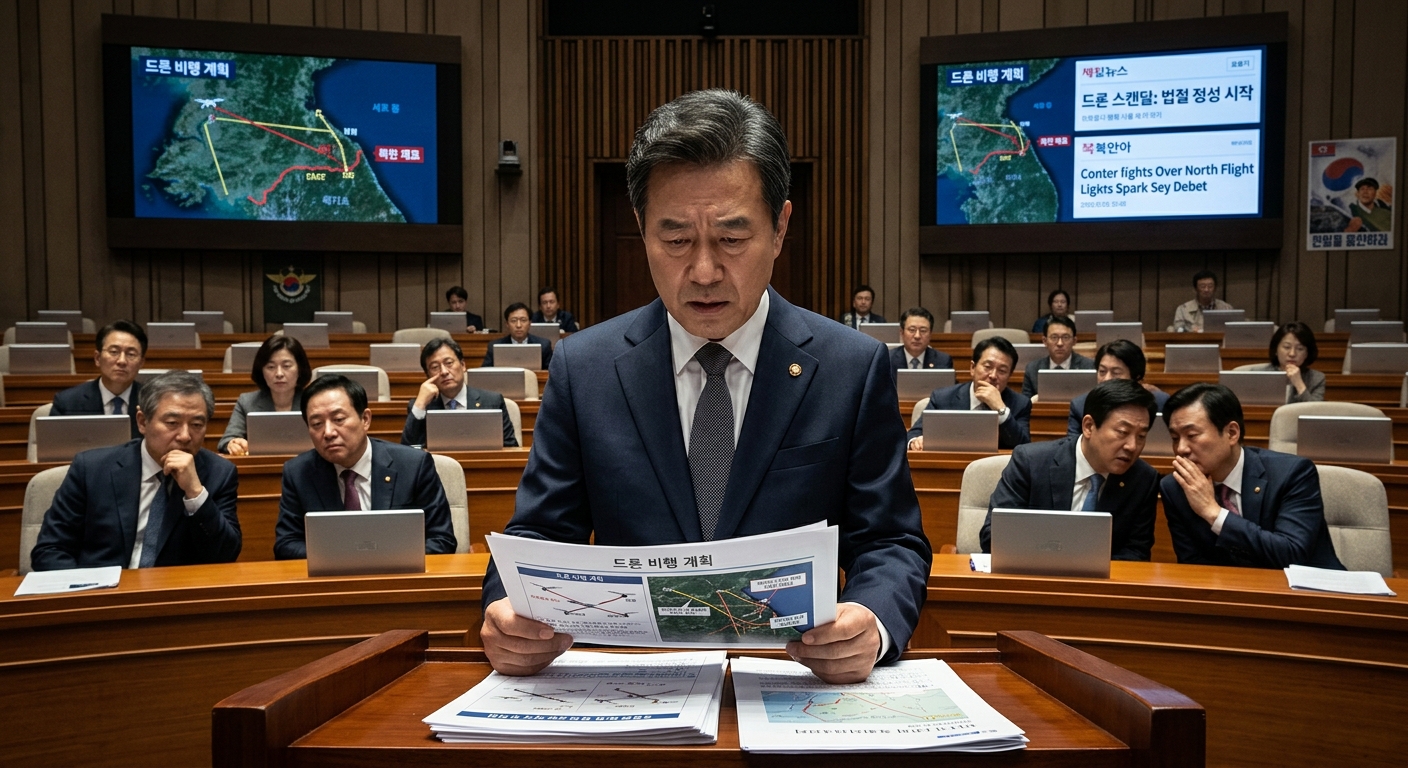
Former South Korean President Yoon Suk Yeol was sentenced to prison in 2026 for his role in unauthorized drone flights over North Korea, escalating inter-Korean tensions. Yoon’s hardline approach, which included covert operations intended to distribute anti-regime propaganda, triggered a severe diplomatic crisis and raised military anxieties in the region. The indictment initiated a major legal controversy after North Korea revealed detailed flight plans, accusing South Korea of provocations while uncovering the involvement of top officials, ultimately leading to treason and other serious charges against Yoon and defense leaders.
Increased Tensions and Legal Fallout
The drone flights, occurring between 2024 and 2025, sparked significant backlash from North Korea, which alleged that South Korea executed multiple incursions for propaganda purposes. North Korean authorities highlighted over 230 documented flights and claimed the drones used were basic models equipped for surveillance, revealing South Korea’s covert military activities that breached national protocols. The subsequent legal proceedings came with serious implications; Yoon gained notoriety not just for his operational tactics, but for the allegations of treason and abuse of power that emerged, leading to a controversial trial and his eventual conviction.
Public Response and Political Ramifications
Yoon’s sentencing evoked strong reactions across South Korea, with protests and concerns from international allies like the United States. Yoon faced criticism for his role in heightening tensions and for policies perceived as provocative, which blurred the risks of military confrontation. While some viewed his defense as a reiteration of retaliation against North Korean actions, his proposals for economic cooperation were met with skepticism, reflecting a complex and polarized public opinion regarding inter-Korean relations during his tenure.
Regional Security Implications
The drone operations under Yoon’s administration not only challenged inter-Korean dynamics but also triggered wider geopolitical concerns. Experts pointed out that these actions violated the armistice agreement, potentially jeopardizing the delicate balance of security in Northeast Asia. In the aftermath, North Korea issued stern warnings against further incursions, reaffirming its military resolve while influencing South Korea’s diplomatic strategies to not only rely on its alliance with the United States but also seek a diversified engagement with neighboring countries like China and Japan amidst rising tensions.
Long-term Consequences
Yoon’s administration aimed to enhance human rights advocacy in North Korea while simultaneously addressing propaganda issues, reflecting a shift in South Korea’s historically conservative stance. Initiatives such as the “North Korea Freedom and Human Rights Fund” aimed to challenge Pyongyang’s narrative and encourage pro-democracy sentiments among citizens. However, the drone controversy emphasized the growing military ties between North Korea and Russia, showcasing new challenges and underscoring the evolving landscape of security threats on the Korean Peninsula as both nations advanced their drone capabilities.
The content is provided by Blake Sterling, Front Signals