
Summary of the Legal Controversy
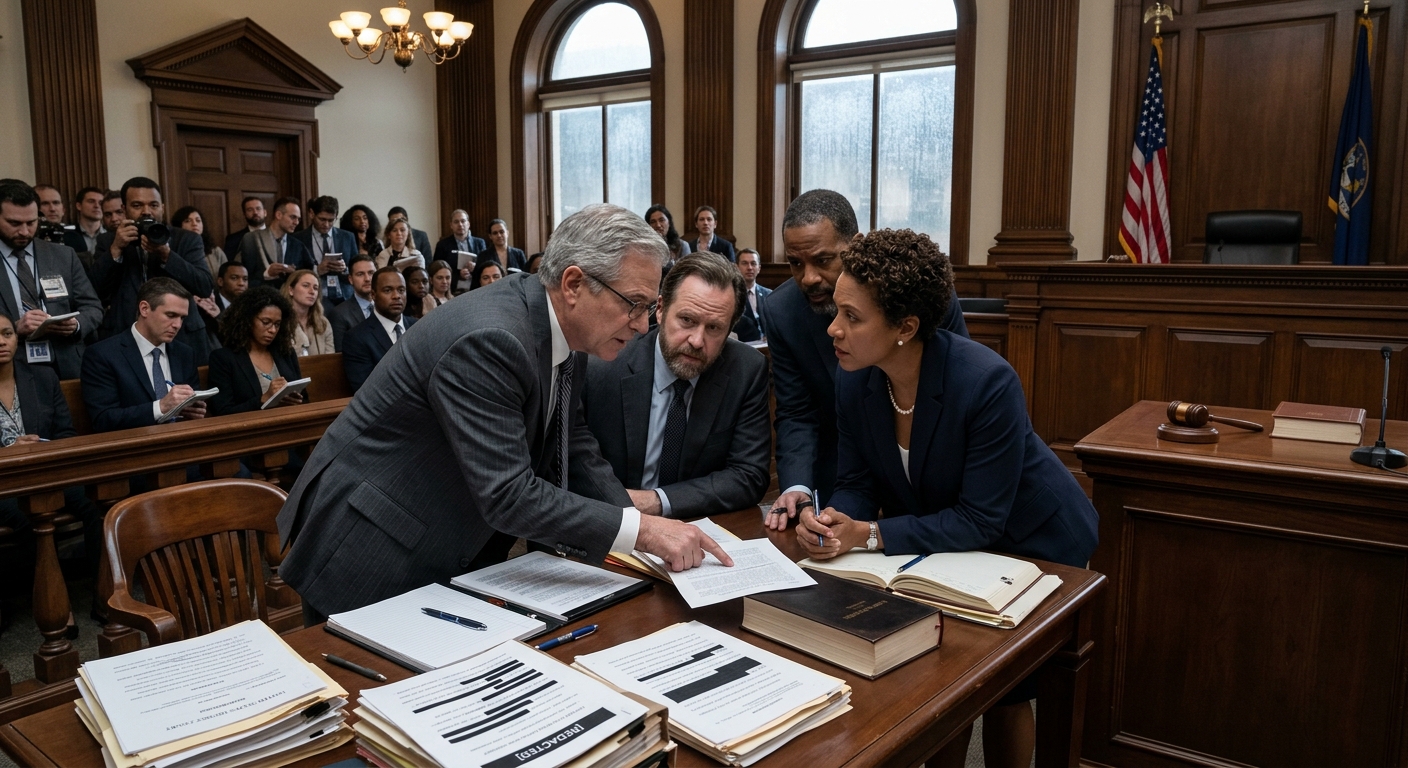
The legal and political dispute surrounding former President Donald Trump’s tax audits centers on an unusual settlement between his legal team and the Department of Justice that halted ongoing IRS inquiries in exchange for compensation and immunity. Concerns have surfaced regarding potential political interference in this settlement, alleged misrepresentations in court, and violations of laws protecting tax administration integrity. As various experts voice apprehension over these developments, there is a push for reopening the case to thoroughly investigate the circumstances surrounding the settlement and its implications for presidential audits and tax law enforcement.
Historical Context and Audit Procedures
The auditing of presidential tax returns dates back to the 1970s, specifically following controversies involving President Nixon. Established procedures require annual audits of the President and Vice President, though these lack statutory codification and transparency. During Trump’s presidency, only his 2016 tax return was examined under this program, raising questions about the audit’s execution and whether proper protocols were followed. The inclusion of a broad waiver in his case’s resolution hindered further investigation, leading to doubts about its legality and adherence to IRS standards.
Bipartisan Call for Judicial Reexamination
A coalition of 35 former federal judges has urged a Florida federal court to revisit the Trump-IRS settlement, alleging the case was misrepresented and the court misled during the legal process. The concerns revolve around the legitimacy of the settlement, which was not directly presented to the court, and whether proper procedures were followed. Highlighting the potential for judicial misconduct, the petition emphasizes investigating whether the court was deceived, thus reflecting broader public trust issues in tax law administration.
Investigating Potential Fraud
The push for investigation comes amid allegations that the settlement effectively shielded Trump and his entities from scrutiny and audits related to a controversial $1.8 billion fund. Legal experts contend that such an arrangement could be deemed a conflict with lawful IRS procedures, prompting discussions on whether the Justice Department had the authority to enter into such settlements. Questions surrounding the transparency of the arrangement and potential political influences emphasize the need for clear legal standards to uphold the integrity of tax enforcement.
Legal Framework and Reopening Procedures
The ongoing debates are informed by Rule 60(b) of the Federal Rules of Civil Procedure, which enables courts to set aside final judgments under certain circumstances. The interpretation of this rule has evolved, allowing courts to potentially reopen settled cases if sufficient grounds are established. Significant is the notion that defendants might leverage procedural rules to challenge settled cases based on allegations of fraud, especially when political influences are suspected in the outcome. The legally ambiguous nature of IRS practices also complicates interpretations regarding presidential audit authority.
Implications and Future Prospects
The Trump IRS case has prompted calls for deeper legal scrutiny around the settlement and its implications for similar cases in the future. The outcome may influence public trust in the IRS, the balance of political influence in tax matters, and the precedent for executive oversight. Moving forward, the pressures to ensure transparency and accountability remain critical, given the significant litigation risks and potential fallout surrounding the legality and legitimacy of presidential tax audits and associated agreements.
Broader Public Reaction
The controversy has ignited extensive public discourse, with critics highlighting possible abuses of the tax system and legal process. Experts have called for investigations to ascertain whether the settlement involved political meddling in IRS operations, which could violate federal law. Political ramifications are also at play, as lawmakers on both sides express concerns over conflicts of interest and the implications of the settlement on the integrity of presidential accountability in tax matters. These developments indicate an urgent need for clarity and regulation surrounding enforcement practices within the IRS.
The content is provided by Harper Eastwood, Front Signals