
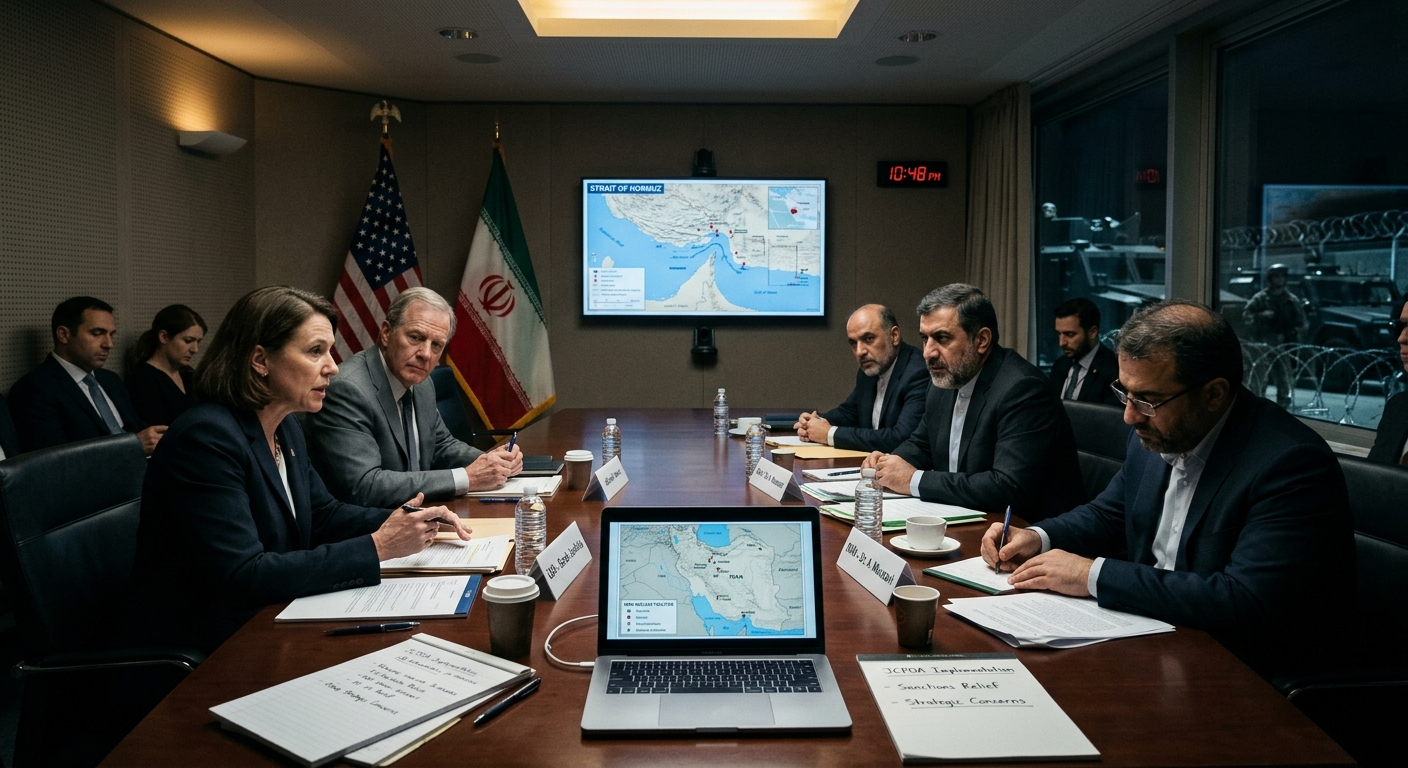
Stalemate in U.S.-Iran Peace Talks
The impasse in U.S.-Iran negotiations during Donald Trump’s presidency illustrates a complex chapter in diminishing trust and increasing military tensions between the nations. Attempts to control the vital Strait of Hormuz and address Iran’s nuclear ambitions have been halted by mutual distrust and ongoing military actions, creating obstacles to diplomatic progress. Although proposals for ceasefires and uranium reductions initiated initial optimism, contrasting actions from both sides led to recurring failures in advancing negotiations.
Trump’s confrontational stance has drawn both domestic and international criticism, compounding difficulties in securing a viable agreement. Critics highlight his aggressive rhetoric as damaging to U.S. credibility, while Republican hardliners worry that any potential deal might be overly lenient toward Tehran. Despite skepticism, Trump has defended his approach, confident in his ability to negotiate a more favorable outcome than the previous Joint Comprehensive Plan of Action (JCPOA), although observers remain doubtful of this strategy.
The diplomatic gridlock raises concerns not only about U.S. reliability as a negotiating partner but also about strengthened hardline factions within Iran. This ongoing situation impacts regional stability and invites scrutiny over U.S. approaches to international diplomacy and nuclear non-proliferation efforts, reflecting the challenges presented by competing interests in the Middle East.
Historical Context of U.S.-Iran Relations
The historical tensions between the U.S. and Iran date back to significant conflicts, including the 1953 coup and the 1979 hostage crisis, further complicated by Iran’s nuclear program. The JCPOA of 2015 represented a crucial effort to curb Iran’s nuclear capabilities, yet enforcement challenges have persisted. Recent confrontations, particularly in the Persian Gulf, have heightened geopolitical pressures and hindered progress in peace talks, signaling a complicated backdrop for diplomatic efforts.
The fluctuating dynamics of U.S.-Iran relations, influenced by both regional and global contexts, underscore the difficulty in achieving lasting solutions to conflicts over nuclear issues and military confrontations. The lack of consistent negotiation frameworks further complicates the prospects for collaborative diplomacy.
Factors Contributing to the Negotiation Stalemate
The stalemate has resulted from a combination of military tactics and ineffective diplomatic efforts. Initial hopes for a peace agreement deteriorated as U.S. military strikes in Iran persisted, resulting in escalated tensions and distrust. The U.S. administration’s reliance on sporadic contacts instead of sustained diplomatic engagement has undermined progress, as experts criticize the lack of a consistent negotiation strategy necessary to bridge divides.
Trust issues have also emerged, with Iranian leaders questioning the U.S. commitment to any agreements, heightened by fears of future administrations abandoning signed pacts. Additionally, regional military confrontations, including actions in the Strait of Hormuz, illustrate the fragile nature of any ceasefire and complicate the peace process. Political dynamics, both in the U.S. and Iran, remained influential, with domestic pressures impacting negotiation strategies and public perceptions.
Critiques of Trump’s Negotiation Strategy
Trump’s handling of the peace negotiations has faced scrutiny from across the political spectrum, with critics highlighting his combative rhetoric and unpredictable tactics as barriers to effective diplomacy. Concerns are amplified by voices within his party fearing that his potential agreements might be too lenient toward Iran. The internal dissent highlights a fracture in strategy, posing challenges to the U.S. negotiating position.
The effectiveness of U.S. diplomacy is further questioned as Trump emphasizes external pressures and domestic situations as factors in the negotiation timeline, creating perceptions of inconsistency and misalignment. This multifaceted criticism reveals the complexities and fragility surrounding the U.S.-Iran dialogue.
Trump’s Reactions to Criticism
In response to ongoing criticism, Trump has adopted a defensive stance, frequently labeling detractors in an effort to shore up support within his base. His assurance that a superior deal compared to the JCPOA can be achieved reflects his confidence, although the lack of constructive dialogue raises concerns about the depth of understanding in negotiations. This confrontational style has drawn attention internationally and hinders the trust necessary for negotiations to flourish.
While asserting leverage based on Iran’s economic troubles, Trump emphasizes his commitment to maintaining U.S. military influence in the region, ultimately complicating the peace negotiation landscape. His reactive engagement strategy invites skepticism over the long-term efficacy of such a diplomatic approach.
Debate Over Emerging Deal and Future Implications
The discourse surrounding potential agreements with Iran has sparked intense political debate. Critics, particularly within Republican ranks, express fears that any resulting deal might lack stringent safeguards, echoing concerns about empowering hardline leadership. This contentious environment amplifies the stakes, especially with the midterm elections on the horizon and rising fuel prices.
Trump’s attempts to differentiate his negotiations from the Obama-era deal face challenges, as his approach involves contentious rhetoric that complicates international perceptions of American diplomacy. On Iran’s side, internal challenges and criticism from various factions reflect the diverse perspectives that can shape their negotiating stance. Ongoing military actions and regional complexities continue to limit the feasibility of any agreement, underscoring the fragile nature of peace efforts.
The content is provided by Avery Redwood, Front Signals