
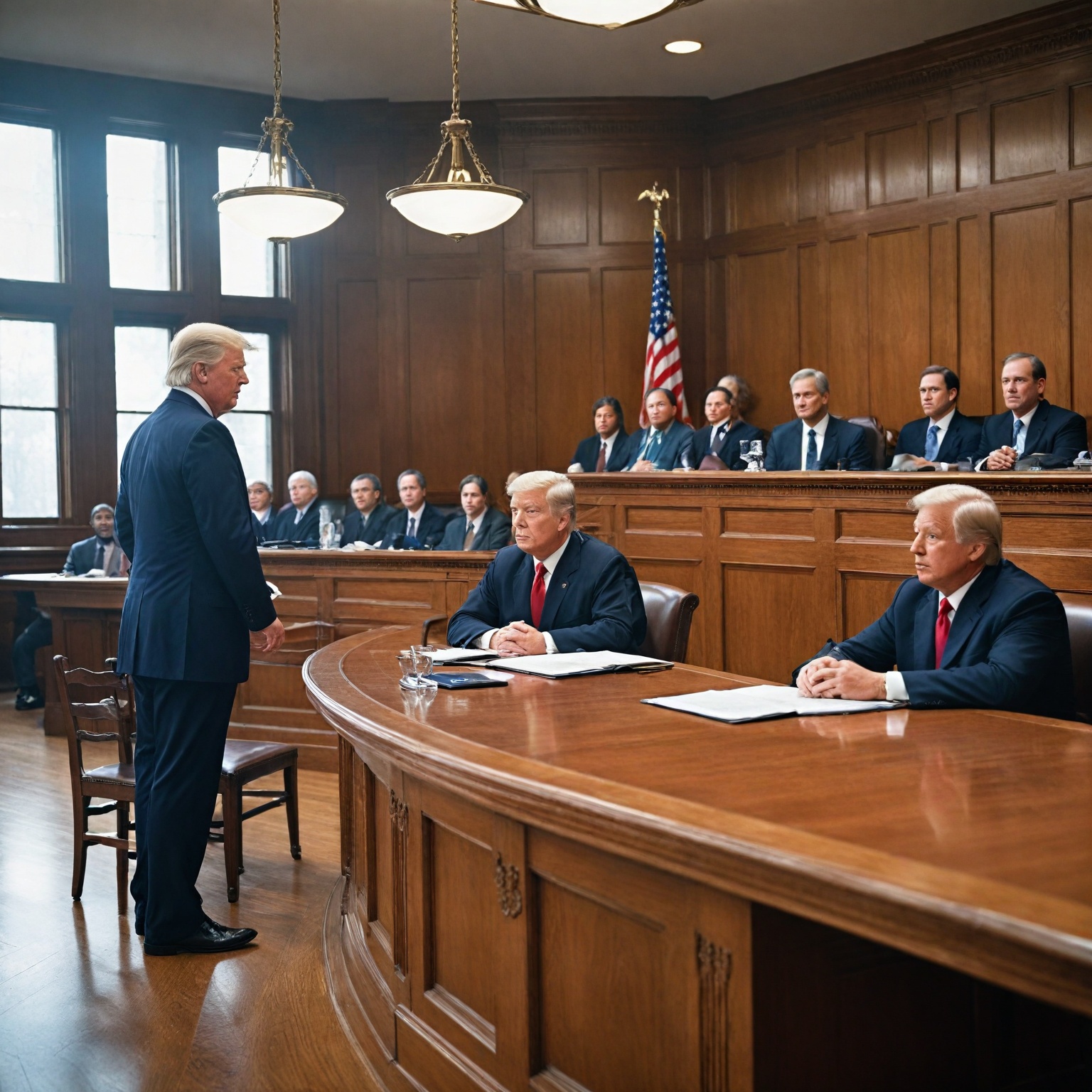
Summary of the Legal Dispute
The lawsuit filed by Donald Trump against JPMorgan Chase, asserting $5 billion in damages, hinges on claims of politically motivated “debanking” following the January 6 Capitol riot. JPMorgan Chase and CEO Jamie Dimon have firmly denied these accusations, citing legal and reputational risks as the motives for terminating Trump-related accounts. This scenario illustrates the tension between banks’ compliance obligations and accusations of political bias, amidst ongoing discourse regarding the implications of political debanking.
Initial Actions and Reactions
JPMorgan Chase’s decision to close certain accounts of Trump and his businesses in February 2021 has sparked significant controversy and legal challenges. Trump alleges these closures were politically driven, while the bank maintains they were based on sound risk management practices amidst heightened scrutiny. This distinction between perceived bias and regulatory necessity has dominated the subsequent public and legal narratives surrounding the closures.
Banking Practices and Compliance Issues
After the Capitol riot, JPMorgan Chase openly acknowledged account closures, asserting that such actions stem from legal and regulatory considerations rather than political opinions. Dimon emphasized the need for the bank to manage potential reputational risks effectively, which can lead to penalties from regulators if not addressed. While these statements frame the closures as necessary risk management, ongoing debates persist regarding their implications for banking access and political discrimination.
Dimon’s Position on the Lawsuit
Jamie Dimon has articulated JPMorgan’s stance on Trump’s legal action by labeling the lawsuit as meritless while recognizing the frustration it has caused Trump. While affirming the bank’s commitment to ethical practices, Dimon acknowledges the challenges of maintaining relationships with politically sensitive clients. This nuanced approach suggests a balancing act between adhering to regulatory expectations and navigating the political landscape.
Legal Framework and Regulatory Challenges
The legal challenges surrounding Trump’s banking relationships touch upon broader themes of political bias and consumer protection laws. Banks like JPMorgan Chase defend their decisions by referencing regulatory compliance rather than political motivations, framing allegations of discrimination as unfounded. As legal debates unfold, the complexities of the Equal Credit Opportunity Act emerge, highlighting that while discrimination based on political beliefs isn’t explicitly prohibited, banks retain the authority to exercise discretion in client relationships.
Debanking Context and Political Implications
Concerns regarding politicized debanking have increased notably since recent events such as the Capitol riot. The lawsuits filed after these closures indicate a rising sentiment among certain political groups claiming bias in banking practices. However, analysis shows that instances of explicitly politically motivated account terminations are minimal, suggesting that many closures stem from broader regulatory environment pressures rather than individual ideological discrimination.
Outlook on Regulatory Developments
Regulatory agencies are actively evaluating the implications of debanking accusations, with potential reforms in the works to prevent politicized closures. Initiatives by the OCC and FDIC reflect a shift toward ensuring fair banking access while managing risks effectively. As scrutiny increases on how banks navigate these dilemmas, future legislative actions may seek to define clearer boundaries in banking operations concerning political affiliations.
Conclusion on the Debate
The ongoing public discourse around political debanking highlights a clash between risk management practices of financial institutions and perceptions of ideological discrimination. As lawsuits continue and regulatory assessments unfold, the landscape of banking access and risk compliance will remain deeply intertwined with the political climate. Observers anticipate how evolving standards may redefine the relationship between financial institutions, consumer rights, and political expression in banking practices.
The content is provided by Sierra Knightley, Front Signals